How to Stay Focused on Your Studies When You’re Struggling to Pay Attention

I’m so over the “aesthetic” study influencers who claim you can only achieve deep work if you own a $50 linen desk pad, a specific brand of matcha, and a perfectly curated lo-fi playlist. Honestly, seeing those hyper-organized setups just makes me feel more scattered, not less. Most of those “productivity hacks” are just expensive ways to procrastinate, and they completely ignore the reality of trying to figure out how to focus while studying when your apartment is loud, your budget is tight, and your brain feels like it has forty tabs open at once.
I’m not here to sell you a lifestyle or a subscription to a fancy new app; I just want to share what actually works when you’re working with real life. I’ve spent years trial-and-erroring my way through intense deadlines and exam seasons, and I’ve learned that true concentration comes from simplifying, not adding more stuff to your desk. In this post, I’m breaking down some no-nonsense, low-cost strategies to help you reclaim your attention span using the tools you already have. Let’s get into it.
Mastering the Pomodoro Technique for Students Without the Fluff
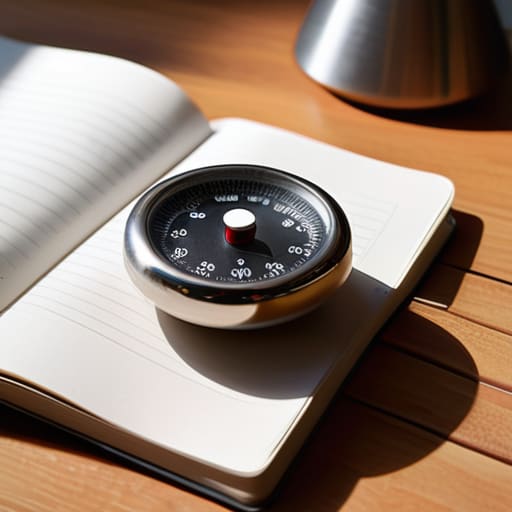
We’ve all seen those aesthetic “study with me” videos where someone spends forty minutes color-coding a planner before even opening a textbook. That’s not productivity; that’s procrastination in a cute outfit. If you actually want to get things done, you need the pomodoro technique for students in its rawest, simplest form. Forget the fancy apps that send you constant notifications—those just become another distraction. All you really need is a basic kitchen timer or even just the clock on your phone.
The goal is to work in focused sprints—usually 25 minutes—followed by a quick five-minute break where you actually move your body. Don’t just switch from your laptop to scrolling TikTok; that doesn’t give your brain a real rest. Use those breaks to stretch, grab some water, or stare out the window. By managing your cognitive load and learning through these intentional intervals, you stop that mid-afternoon mental burnout from hitting so hard. It’s about working with your brain’s natural rhythm, not trying to force it to act like a machine.
Minimizing Study Distractions Using What You Already Own
We need to talk about the “aesthetic” study setups I see all over social media. You don’t need a $50 candle, a marble desk, or a curated collection of pastel highlighters to get your brain into gear. Honestly, most of that stuff is just more clutter to manage. When I’m trying to hit a deadline, I focus on minimizing study distractions by clearing everything off my desk except what I actually need for the task at hand. If it doesn’t help me process the information, it’s just visual noise that adds unnecessary cognitive load and learning hurdles.
Instead of buying a fancy noise-canceling headset, try the “old school” method: grab a pair of basic earbuds and find a lo-fi playlist, or even just use some cheap earplugs if you’re in a loud apartment like I am. If your phone is your biggest enemy, don’t just flip it over—put it in a completely different room. An effective study environment setup isn’t about how it looks in a photo; it’s about creating a physical boundary between your “scrolling time” and your “thinking time.”
Low-cost ways to actually keep your brain on track
- Stop hunting for the perfect aesthetic study setup. You don’t need a $50 desk organizer or a designer lamp to focus; you just need a clear surface and decent lighting. Clear off the junk, grab a mug of whatever tea you already have in the cupboard, and just start.
- Use your phone as a tool, not a distraction. Instead of buying a fancy focus timer, use the built-in “Do Not Disturb” or “Focus” modes. Put it face down across the room if you have to. If it’s out of sight, your brain stops reflexively reaching for that hit of dopamine every five minutes.
- Write down your “brain dumps” as they happen. I keep a scrap piece of paper next to me while I work. When I suddenly remember I need to email my landlord or check a package delivery, I scribble it down immediately and get back to the task. It stops those random thoughts from hijacking my momentum.
- Work with your body’s natural rhythms, not a rigid schedule. If you’re a night owl, don’t force yourself to pull a 6 AM study session just because a productivity guru said so. Figure out when your brain actually feels awake and save your hardest subjects for those windows.
- Ditch the “study music” rabbit holes. I used to spend forty minutes looking for the perfect Lo-Fi playlist only to end up scrolling YouTube. Just put on some brown noise, a single repetitive instrumental track, or even just the sound of a fan. The goal is background noise, not a concert.
The real takeaway
Stop hunting for the “perfect” setup; your focus comes from setting boundaries with your environment, not buying a new desk lamp.
Consistency beats intensity every single time—it’s better to do twenty minutes of focused work than three hours of staring blankly at a screen while scrolling.
Be kind to yourself when you slip up; productivity isn’t a moral compass, it’s just a tool to help you get through your to-do list so you can actually enjoy your life.
Real Talk: You've Got This
At the end of the day, focusing isn’t about buying a $50 productivity planner or setting up a high-tech “study sanctuary” that looks good on Instagram but feels impossible to maintain. It’s about the small, unglamorous stuff we talked about: using the Pomodoro method to stop yourself from staring blankly at a page for three hours, and actually clearing the clutter off your desk so your brain has some room to breathe. It’s about working with your environment and your natural energy levels rather than fighting against them. If you can master the art of using what you already have—whether that’s a simple kitchen timer or just a quiet corner of your apartment—you’re already ahead of most people.
Please don’t beat yourself up if you have a day where your focus is absolute zero. I’ve been there, sitting in my tiny kitchen feeling like I’m failing because I can’t just “will” myself into being a machine. Productivity isn’t a straight line upward; it’s messy, and some days are just about doing the bare minimum to keep moving. Just remember that consistency matters way more than perfection. You don’t need a life overhaul to get your grades or your projects on track; you just need to show up as you are and take it one small, manageable step at a time.
Frequently Asked Questions
What do I do if the Pomodoro timer actually makes me feel more anxious instead of helping?
Honestly, if the ticking clock is making your heart race, toss the timer. Some people find the constant countdown more of a threat than a tool, and that’s totally fine. Instead, try “flowtime.” Just set a goal—like finishing one chapter or three math problems—and work until you naturally feel your focus dipping. It’s less about beating a clock and more about listening to your own brain’s rhythm. No pressure, just progress.
How can I stay focused when I live in a tiny, noisy apartment and can't find a quiet corner?
Look, I get it. I spent most of my college years trying to study in a studio apartment where the neighbor’s bass was basically my heartbeat. If you can’t find a quiet corner, stop searching for one and start creating a “mental” one. Use heavy curtains to dampen sound, grab some cheap foam earplugs, or just lean into brown noise on your headphones. It’s not about finding silence; it’s about building a barrier.
Are there any ways to boost my focus that don't involve buying expensive supplements or fancy tech?
Honestly, please don’t even look at those “brain booster” supplements; most of them are just expensive caffeine hits in a fancy bottle. If you want real focus, go back to basics. Drink more water, actually eat some protein, and try to get consistent sleep. It sounds boring because it is, but a stable baseline is worth more than any $50 gummy. Use sunlight and movement to wake your brain up instead of buying tech.