A Beginner’s Guide to Cooking Beans and Lentils
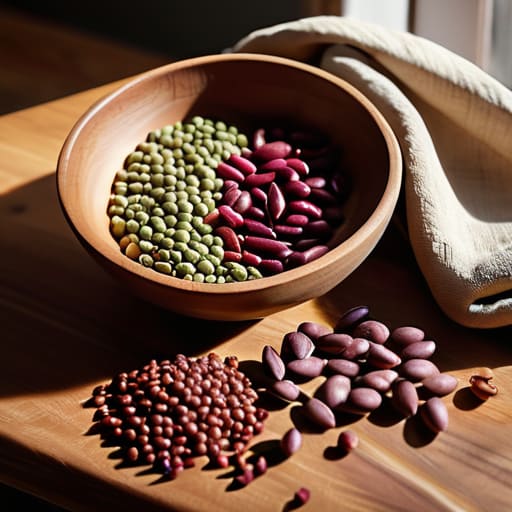
I used to stare at those tiny, dusty bags of dried legumes in the grocery aisle, feeling like I needed a culinary degree just to make them edible. I was so tired of the “aesthetic” cooking videos that make everything look effortless with $50 artisanal spices and high-end pressure cookers that take up half your counter space. Honestly, the internet makes learning how to cook beans and lentils feel like this daunting, high-stakes science experiment, but that’s just a lie designed to sell you gadgets you don’t need. Most of the time, you’re just one pot and a little bit of patience away from a meal that actually fills you up without draining your bank account.
I’m not here to give you a lecture on molecular gastronomy or suggest you buy a specialized bean cooker. Instead, I’m going to show you the uncomplicated, real-world way to handle these pantry staples using what you already have in your kitchen. We’re going to focus on texture, flavor, and making sure they don’t turn into a mushy mess. This is about building a sustainable habit that works for your budget and your busy schedule, no performative perfection required.
Soaking Dried Beans vs No Soak Which Actually Saves Time
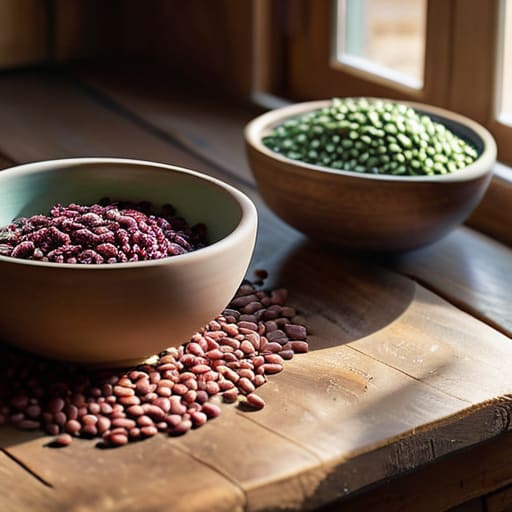
Soaking dried beans vs no soak: Which actually saves time?
I used to be part of the “soak everything overnight” crowd because I thought it was the only way to avoid a heavy stomach. But honestly? If you’re staring at a clock at 6:00 PM and just want dinner, waiting twelve hours feels like a scam. The truth is, you can totally skip the soak if you have the patience for longer stovetop bean cooking methods. You just have to account for the extra time—usually an hour or two—and maybe a bit more water.
That said, if you’re someone who lives by their planner (or just hates waiting), soaking is a game changer for texture. It helps the beans cook more evenly, which is a lifesaver when you’re trying to avoid that weirdly mushy-on-the-outside, hard-on-the-inside situation. If you’re really in a rush, skip the bowl and go straight to your pressure cooker bean instructions; that’s the ultimate shortcut for when I’ve forgotten to prep my legumes the night before. It’s not about being perfect; it’s about choosing the method that fits your actual schedule.
Stovetop Bean Cooking Methods for a Busy Realistic Life
Look, I get it. You don’t always have the luxury of planning your meals three days in advance, and sometimes you just need dinner to happen now. While I’m a big fan of the soak method for texture, there are plenty of nights where I’m just staring at a bag of dried chickpeas at 6:00 PM wondering if I can still make it work. The truth is, most stovetop bean cooking methods are forgiving enough to handle a bit of spontaneity. If you’re skipping the soak, just give them an extra hour or two of simmering time and don’t be afraid to use a bit more water than the recipe suggests.
The biggest thing to keep in mind is that cooking times for different legumes vary wildly. You can’t treat a red lentil like a kidney bean; one will turn into mush in ten minutes while the other will stay rock-hard for hours. I usually keep a little cheat sheet in my notebook so I’m not guessing. Just keep your heat at a low, steady simmer—if you boil them too hard, you’ll end up with a pot of broken, grainy beans instead of something creamy and satisfying.
Five ways to stop treating beans like a chore
- Stop skimping on the aromatics. If you just boil beans in plain water, they’re going to taste like nothing. Throw a smashed garlic clove, a bay leaf, or even the ends of an onion into the pot. It costs basically zero extra cents but makes a massive difference in flavor.
- Don’t salt too early, but don’t wait until the end either. If you salt right at the start, you might end up with tough skins, but if you wait until they’re soft, they won’t absorb the seasoning. Aim for the middle of the cooking process to get that perfect, seasoned-through texture.
- Keep your cooking liquid. Seriously, don’t just dump the leftover bean water down the drain. It’s full of starch and flavor. Use it as a base for a soup or a quick sauce later in the week—it’s free liquid gold for your pantry.
- Use the “fork test” instead of a timer. Every bean is different, and every stove is different. Instead of stressing over a recipe saying “cook for 45 minutes,” just start checking them with a fork after the 30-minute mark. You’ll know they’re done when they’re creamy, not mushy.
- Store them properly to avoid the “fridge mush” phase. If you’ve made a big batch (which you should, because meal prepping is the only way I survive my freelance deadlines), let them cool completely before putting them in a container. If you trap the steam, you’ll end up with a soggy mess by Tuesday.
The TL;DR on making beans actually happen
Don’t stress the “rules”—if you have the time, soak them overnight to save some cooking time and ease digestion, but if you’re in a rush, just throw them in the pot and let them do their thing.
Stop buying the canned stuff every single time; a big bag of dried beans is way cheaper and honestly tastes better if you aren’t afraid to let them simmer for a while.
Season your beans after they’re soft, not at the beginning, so you don’t end up with a pot of tough, undercooked legumes because the salt toughened them up too early.
Final Thoughts on the Bean Life
At the end of the day, cooking beans and lentils isn’t about mastering some complex culinary technique or owning a $200 pressure cooker. It’s just about knowing that a bag of dried lentils is probably the most underrated tool in your pantry for saving money and eating well. Whether you decide to soak your beans overnight to save your digestion or you just throw them in a pot and let them simmer while you’re working on something else, the goal is the same: getting real, nourishing food on your plate without the stress. You don’t need a perfectly curated kitchen to make something that tastes incredible; you just need patience and a little bit of salt.
I know it can feel a bit daunting when you’re staring at a pile of hard, dry legumes and thinking about how long they’ll take to soften, but I promise it’s worth the effort. There is something so grounding about making your own staples from scratch instead of relying on expensive, over-processed cans. It’s a small, quiet way to take control of your budget and your health at the same time. So, grab a bag, find a pot, and just start. You’ll realize pretty quickly that you already have everything you need to feed yourself well.
Frequently Asked Questions
Can I just throw them in the slow cooker or Instant Pot, or will they turn into mush?
You absolutely can, but don’t just wing it. If you toss dry beans into a slow cooker without soaking them first, you’re basically asking for a texture nightmare—they’ll likely stay crunchy in the middle while the outsides turn into mush. For the Instant Pot, though? That’s a total game changer. It’s the one time I actually lean on tech to save my sanity. Just keep an eye on the liquid-to-bean ratio so they don’t get swampy.
How do I stop them from tasting like nothing—what spices or aromatics actually make them taste good?
Look, if your beans taste like sad, warm water, it’s because you’re treating them like a side dish instead of the main event. Don’t just boil them; build a base. Sauté some onions, garlic, and maybe a smashed clove of garlic in a bit of oil before adding the beans. If you’re lazy, throw a bay leaf or a dried chili into the pot while they simmer. Salt them toward the end, and trust me—it makes all the difference.
Is there a way to store leftover cooked beans without them getting all slimy in the fridge?
Honestly, the sliminess is the absolute worst, and it usually happens because they’re sitting in a pool of their own starchy cooking liquid. Once they’ve cooled down, drain that liquid off and rinse the beans under cold water. Let them dry a bit, then toss them in a glass container with just a tiny bit of fresh water or even a splash of olive oil. Keep them airtight, and you’re golden.