Creative Ways to Transform Your Leftovers
I am so tired of seeing those “aesthetic” meal prep videos where people spend five hours on a Sunday vacuum-sealing perfectly manicured portions into matching glass containers. It looks great on a grid, but let’s be real: most of us don’t have the time, the budget, or the desire to turn our kitchen into a laboratory. The truth about how to use leftovers isn’t about fancy organization or expensive Tupperware; it’s about the messy, unglamorous reality of not wanting to throw half a roasted chicken and some wilted spinach into the trash.
I’m not here to give you a lecture on culinary perfection or suggest you buy a $50 gadget to solve your problems. Instead, I want to show you how I actually manage my food during a busy work week without breaking the bank or losing my mind. I’m going to share the low-effort, high-reward methods I’ve used to turn random scraps into actual meals. We’re focusing on practical, zero-waste hacks that work for real life—the kind that actually save you money and keep you from staring blankly at your fridge at 7:00 PM.
Practical Food Waste Reduction Tips for Busy Lives
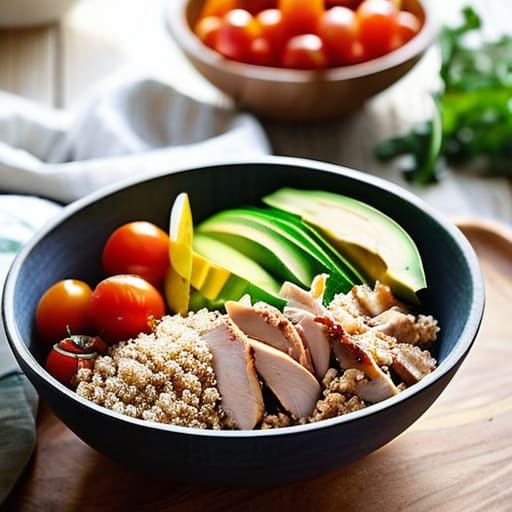
Look, I get it. Between freelance deadlines and managing the community garden, my schedule is usually a chaotic mess. I don’t have time for elaborate culinary transformations every night. For me, the most effective food waste reduction tips are the ones that require zero brainpower. The biggest game-changer? Getting real about repurposing cooked proteins. If you have a random chicken breast or some half-eaten taco meat from Tuesday, don’t let it sit in the fridge until it turns into a science project. Toss it into a quick grain bowl or a wrap. It takes five minutes, saves you from an expensive takeout order, and actually tastes good.
Another thing that keeps me sane is being smart about how I’m storing leftovers safely. I used to just shove everything into mismatched plastic containers, but I realized that if I can’t see it, I won’t eat it. Now, I use clear glass jars or even just label things with a piece of masking tape. It sounds extra, but seeing that container of roasted veggies at eye level makes it way more likely that I’ll grab them for lunch instead of letting them wilt in the back of the crisper drawer.
Smart Ways for Storing Leftovers Safely Without the Stress
Look, I’ve learned the hard way that if you just shove everything into random mismatched containers and shove them in the back of the fridge, you’re basically asking for a science experiment. The biggest mistake is letting things sit in the original cooking pan; it’s tempting, but it takes up way too much space and doesn’t actually keep things fresh. I’ve started investing in a few decent, airtight glass containers—they’re a total game changer for storing leftovers safely because they seal properly and don’t hold onto weird smells.
Another thing that saves my sanity is the “first in, first out” rule. I keep a little sticky note on my fridge to jot down when something was actually cooked. There is nothing worse than staring at a Tupperware of mystery pasta and wondering if it’s still edible or if it’s become a biohazard. If you know you won’t get to something by tomorrow, just freeze it. It sounds like extra work, but repurposing cooked proteins like chicken or beef from the freezer is way easier than ordering takeout because you felt guilty about your fridge contents.
5 ways I actually use my leftovers (without feeling like I'm eating trash)
- The “Everything” Grain Bowl: If you have a random scoop of quinoa, some wilted spinach, and half an avocado, just throw them in a bowl with a fried egg. It’s the ultimate low-effort lunch that feels way more intentional than a sad sandwich.
- Transform your protein: Don’t just reheat that plain chicken breast for the third time—that’s a recipe for boredom. Shred it, toss it with some lime and cumin, and turn it into tacos or a quick quesadilla. It changes the texture so you don’t feel like you’re just eating yesterday’s dinner.
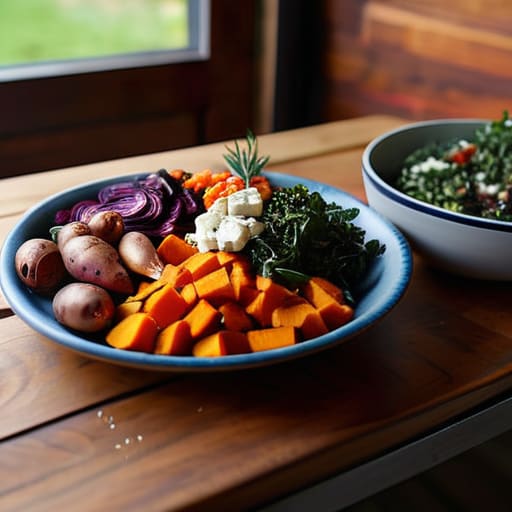
- The “Soup Base” trick: If you have a random amount of roasted veggies or a bit of broth left over, throw them in a pot with some water and whatever spices you have. It’s the easiest way to turn scraps into a legit meal when you haven’t gone grocery shopping in a few days.
- Breakfast for dinner (the budget version): Leftover roasted potatoes or even just some sautéed greens are perfect for an omelet. It’s cheap, it uses up what’s in the fridge, and it saves you from ordering takeout when you’re too tired to cook something “new.”
- Sauce is your best friend: Sometimes leftovers just taste… flat. Keep a jar of decent hot sauce, some tahini, or even just a squeeze of lemon in the fridge. A little hit of acidity or heat can make a three-day-old pasta dish feel fresh again.
The bottom line on eating better for less
Stop treating leftovers like a chore; think of them as a head start on your next meal so you aren’t staring blankly at the fridge at 7 PM.
You don’t need fancy vacuum sealers to save food—just use what you have, label your containers, and actually follow the “first in, first out” rule.
Real sustainability isn’t about buying expensive organic bins; it’s just about being intentional with the groceries you already paid for so they don’t end up in the trash.
Stop Overthinking and Just Start
At the end of the day, using leftovers isn’t about becoming a gourmet chef or having a perfectly curated fridge that looks like a Pinterest board. It’s really just about being a little more intentional with what you’ve already spent your hard-earned money on. Whether you’re tossing those wilted greens into a quick stir-fry, repurposing last night’s roasted chicken for a midday salad, or just getting better at using airtight containers so things actually stay fresh, you’re doing the work. It’s about reducing the mental load of deciding what to eat and, more importantly, stopping the cycle of throwing money in the trash every single week.
I know it can feel like just another chore on an already overflowing to-do list, but I promise it gets easier once you stop aiming for perfection. You don’t need a fancy meal prep system or expensive glass jars to make this work; you just need to look at your fridge with a little more curiosity and a lot less judgment. Start small. If you manage to save even one meal this week that would have otherwise gone bad, that is a massive win. Life is messy and unpredictable, but your kitchen habits don’t have to be. You’ve got this, and your bank account (and the planet) will definitely thank you for it.
Frequently Asked Questions
How do I know if something is actually still safe to eat or if I'm just playing Russian roulette with food poisoning?
Look, I get it. The “sniff test” is a gamble, and honestly, it’s a bad one. If it smells funky, looks slimy, or has even a hint of fuzz, just toss it. It’s not worth a weekend spent in the bathroom. When in doubt, check the texture—if it’s gone from firm to slippery, it’s a no. Trust your gut, but trust your eyes more. Better to lose five bucks than your sanity.
I have random bits of everything in my fridge—is there a way to turn this "nothing" into an actual meal without it tasting like sad scraps?
Honestly, the “sad scraps” feeling usually comes from trying to eat the leftovers exactly as they were. Instead, treat those random bits as ingredients for something new. If you’ve got half an onion, some wilted spinach, and a bit of chicken, you’ve got a stir-fry or a quick omelet. Throw everything into a pan with some garlic and whatever spices you actually like. It’s not “leftovers” anymore; it’s just a custom meal.
Does meal prepping leftovers ahead of time actually make them taste better, or am I just eating mushy food all week?
Honestly? If you’re just shoving everything into Tupperware the second it hits the pan, yeah, you’re probably eating mush. Textures die in the fridge. The trick is to prep your components, not the final dish. Roast a big tray of veggies and cook a batch of grains separately. That way, you can assemble a fresh bowl each day instead of reheating the same soggy pile of leftovers five times. Keep it modular, not mushy.