Mastering Every Way to Cook the Perfect Egg
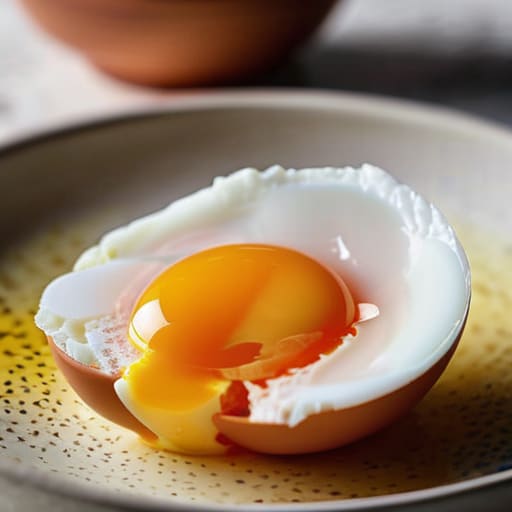
I am so tired of seeing those “aesthetic” breakfast tutorials where someone spends forty dollars on organic microgreens and a specialized copper pan just to make a single poached egg. Seriously, if you need a $60 gadget to figure out how to cook eggs, we have bigger problems. I grew up in a tiny apartment where my “kitchen” was basically a hot plate and a dream, so I learned pretty quickly that you don’t need a curated pantry or a culinary degree to eat well. You just need to understand the actual science of heat and a decent non-stick pan that isn’t falling apart.
I’m not here to give you a list of complicated techniques that require a sous-chef and an hour of prep time. Instead, I’m going to show you the most functional, low-effort ways to master the basics using whatever you’ve already got in your fridge. We’re going to cover everything from the perfect scramble to a reliable fried egg, focusing on real-world results rather than Instagram-worthy perfection. Let’s get into it.
Mastering Scrambled Egg Texture Tips Without the Stress
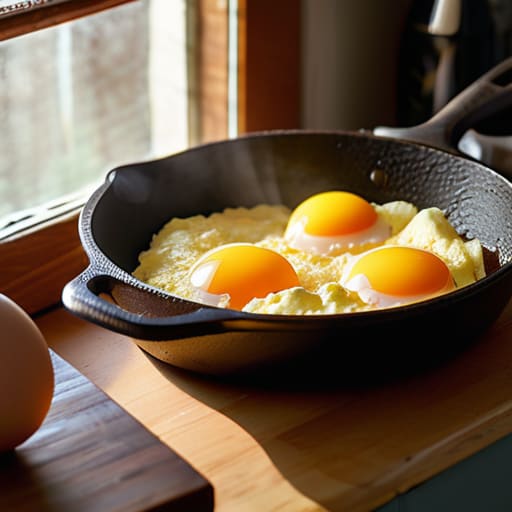
Look, I’ve seen those videos where people make these cloud-like, almost custard-style eggs that look incredible, but let’s be real: most of us are just trying to get breakfast on the table before a Zoom call. If you want to avoid that rubbery, sad texture, the secret isn’t a fancy whisk; it’s about controlling your heat. I used to crank the burner to high because I was in a rush, only to end up with something that felt more like a sponge than food. Instead, keep the heat low and medium, and don’t be afraid to pull the pan off the burner for a few seconds if things start looking too solid too fast.
One of my favorite scrambled egg texture tips is to stop overworking them. You don’t need to stir constantly like you’re mixing cement. Just gently push the eggs from the edges toward the center with a spatula. This creates those lovely, soft folds rather than tiny, dry crumbles. Also, remember that residual heat is a real thing—the eggs will keep cooking for a minute even after they’re on your plate, so take them off the stove while they still look slightly wet. It feels wrong in the moment, but it’s the only way to ensure they stay creamy.
The Best Way to Fry Eggs Using Basic Pantry Staples
Look, I know there’s a lot of pressure to master the perfect poached egg technique or follow some complex recipe, but if you’re just trying to get breakfast on the table before your first freelance client calls, let’s keep it simple. The best way to fry eggs isn’t about using a specialized non-stick pan that costs fifty bucks; it’s really just about managing your heat. I usually grab whatever skillet I have on hand—even if it’s a bit seasoned and worn—and melt a small knob of butter or a splash of oil over medium-low heat.
The biggest mistake I see people make is cranking the heat too high. If your pan is screaming hot, you’ll end up with crispy, rubbery edges and a raw center, which is honestly just depressing. Instead, wait for the butter to foam slightly, crack your egg in, and let it sit. You want the whites to set slowly and gently. If you like a bit of crunch, you can turn it up slightly at the end, but for me, a tender, golden edge is the ultimate goal. It’s low-effort, low-cost, and actually tastes like real food.
5 Low-Stakes Hacks for Better Eggs (No Fancy Gear Required)
- Stop using high heat. I know it’s tempting to crank the stove when you’re hungry, but eggs turn into rubbery little pucks if you do. Keep it medium-low and give them time to cook through without the stress.
- Use what you have for fat. You don’t need expensive truffle oil or fancy clarified butter. A tiny bit of regular butter or even a splash of oil from a jar works perfectly fine to keep things from sticking.
- Don’t skip the seasoning until the end. I used to wait until the plate was in front of me, but adding a little salt while they’re actually in the pan helps the flavor actually penetrate the egg instead of just sitting on top.
- Crack your eggs into a small bowl first. This sounds extra, but it saves you from getting random shell shards in your breakfast and lets you check if the yolk is actually fresh before it hits the pan.
- Embrace the “ugly” egg. If your omelet looks like a crumpled piece of paper or your fried egg has a weird shape, who cares? It still tastes the same, and it’s better than stressing over a plating style you’ll never see on a real Tuesday morning.
The Real-World Egg Cheat Sheet
Stop buying those specialized egg cookers; a decent non-stick pan and a little heat control will do everything you need it to do.
Texture is all about temperature, so if you see the eggs getting too firm too fast, just pull them off the heat immediately—they’ll keep cooking on the plate anyway.
Don’t stress about “perfect” presentation; focus on using what you have in the pantry, like a dash of hot sauce or some leftover herbs, to make a cheap meal feel intentional.
Stop Overthinking Your Breakfast
At the end of the day, whether you’re aiming for those silky, soft scrambled eggs or a crispy-edged fried egg, the secret isn’t some expensive non-stick pan or a professional chef’s technique. It’s really just about understanding heat and timing. You don’t need a kitchen full of gadgets to make a meal that nourishes you; you just need a decent pan, a little bit of patience, and the willingness to experiment a bit. Once you get the hang of how your stove behaves, you’ll realize that cooking eggs is one of the most low-stakes ways to build confidence in the kitchen.
I know it feels silly to write an entire guide about something as simple as an egg, but honestly, that’s kind of the point. We spend so much time scrolling through these hyper-curated, aesthetic cooking videos that make us feel like we can’t even boil water without a designer apron. Let’s push back against that. Grab whatever eggs are on sale this week, use the pan you already own, and just make something delicious. Life is messy and budgets are tight, but a warm, home-cooked meal is one of those small, completely free wins that makes everything feel a little more manageable.
Frequently Asked Questions
Do I really need to use butter, or can I just get by with whatever oil I have in the pantry?
Look, I get it. Butter is great, but if it’s not in your fridge, don’t go out and buy a pack just for one breakfast. You can absolutely use whatever oil you’ve got sitting in the pantry. Olive oil works fine, and even a bit of vegetable oil gets the job done. Honestly, as long as the pan isn’t bone-dry, you’ll be okay. It might change the flavor slightly, but it’s definitely not a dealbreaker.
How do I know if my eggs are actually still good without wasting money on a carton of them?
Look, I’ve definitely stood in front of my fridge, staring at a carton of eggs, wondering if I was about to risk it all for a breakfast taco. Don’t just guess and toss them—that’s literally throwing money in the trash. Use the float test: drop an egg in a bowl of water. If it sinks, you’re golden. If it tilts, it’s still fine, just use it soon. If it floats? Toss it. No questions asked.
Is there a way to cook eggs for my weekly meal prep that won't leave them tasting like rubber by Wednesday?
The trick to meal-prepping eggs without that weird, rubbery texture is to undercook them slightly before they hit the fridge. If you’re doing hard-boiled, pull them out of the hot water the second they reach a jammy consistency. For scrambles, cook them until they’re just set—still looking a little wet—because they’ll continue to firm up as they cool. Honestly, if you want the best results, just prep a big batch of savory oats or chia pudding and add a fresh egg right before you eat.