How to Craft a Smoothie That Is Truly Nutritious
I am so tired of seeing those aesthetic “wellness” videos where people spend forty dollars on a single jar of ceremonial grade matcha and some obscure, freeze-dried adaptogen powder just to make a drink. Honestly, if you need a PhD in nutrition and a massive credit limit just to figure out how to make a smoothie, the system is broken. I spent way too many years thinking I needed a pantry full of expensive superfoods to feel healthy, but the truth is, most of that stuff just sits in the back of the cupboard collecting dust while your actual groceries go bad.
I’m not here to sell you on a lifestyle you can’t afford or a routine that requires a specialized blender from a boutique shop. Instead, I want to show you how to build something actually delicious using the random frozen fruit, half-empty yogurt containers, and handfuls of spinach you already have in your fridge. We’re going to focus on a no-nonsense formula that prioritizes what’s functional, affordable, and easy to clean up. Let’s get into the real way to fuel your body without the performative nonsense.
Smart Smoothie Base Ingredients Found in Your Pantry
Look, you don’t need a $15 bottle of specialized coconut water to get started. Most of the heavy lifting for your smoothie base ingredients is already sitting in your pantry or the back of your fridge. If you’re trying to save money, skip the expensive branded nut milks and just use water, regular milk, or even a bit of brewed tea if you’re feeling adventurous. For a creamy consistency without the price tag, oats are your best friend. Throwing a handful of old-fashioned oats into the mix adds a subtle thickness and keeps you full much longer than just fruit alone.
If you’re worried about the drink feeling too thin, I have some quick smoothie texture tips that won’t break the bank. Instead of dumping a mountain of ice in—which can make everything taste watered down and gritty—try using frozen bananas. If your bananas are getting those ugly brown spots on the counter, don’t toss them; peel them, freeze them, and use them as your creamy foundation. It’s a much better way to manage food waste while getting that perfect, velvety mouthfeel.
Mastering Nutritional Smoothie Components Without the Expensive Hacks
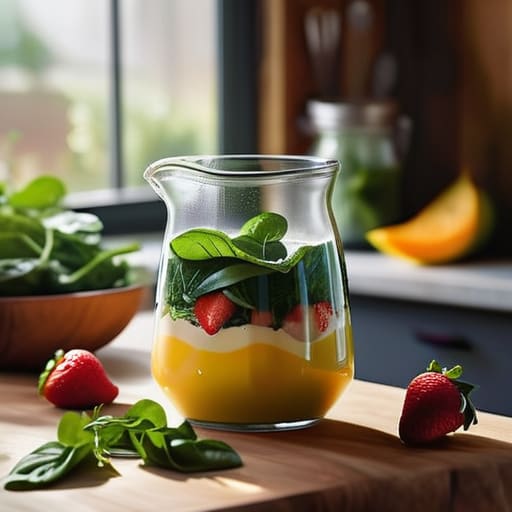
Look, you don’t need a $500 high-speed blender to get a decent drink. I spent way too much time thinking I needed the best blender for smoothies just to make something drinkable, but honestly? A basic, slightly loud one works just fine if you layer your ingredients correctly. The real secret to mastering nutritional smoothie components isn’t about the gear; it’s about the order. Always put your liquids in first to help the blades catch, then add your greens, and save the heavy stuff for the top.
When it comes to staying full, stop scrolling through TikTok for “miracle” supplements. If you’re looking into adding protein to smoothies, just look in your pantry. A spoonful of peanut butter, some hemp seeds, or even a bit of Greek yogurt does the trick without the expensive powder price tag. Also, a quick tip for better consistency: I’ve found that using frozen fruit vs ice in smoothies makes a massive difference. Ice tends to water everything down and makes it gritty, whereas frozen berries or even frozen banana chunks give you that creamy, thick texture that actually feels like a treat rather than a chore.
5 Ways to Stop Wasting Money (and Food) on Your Smoothies
- Stop buying those tiny, overpriced frozen fruit bags. Buy the massive bags of frozen berries or mangoes when they’re on sale, and if you have fruit in the fridge that’s looking a little sad, just chop it up and toss it in the freezer yourself.
- Use whatever liquid you already have on hand. You don’t need a specific “smoothie milk” brand; plain water, the leftover oat milk from your coffee, or even a splash of unsweetened tea works just fine if you’re trying to keep it simple.
- Ditch the expensive protein powders if they’re sitting in your cupboard gathering dust. A big spoonful of peanut butter or some Greek yogurt from the fridge adds enough protein to actually keep you full without the $50 price tag.
- Learn the “frozen vs. fresh” balance so you aren’t drinking lukewarm sludge. Use at least one frozen element—like frozen banana slices or ice cubes—to get that thick texture, but keep some fresh greens or fruit in there so it doesn’t taste like a frozen brick.
- Clean your blender immediately. I know, it’s a chore, but if you let that green sludge dry overnight, you’re going to end up hating the whole process. Just rinse it out right after you pour your drink so it takes ten seconds instead of ten minutes.
The Bottom Line on Smoothies That Actually Work
Stop waiting for a “perfect” grocery haul to start; use whatever frozen fruit or half-empty bags of oats you already have in the back of your pantry.
Skip the $40 “superfood” blends and just focus on getting a solid base of fiber and protein so you aren’t hungry again in twenty minutes.
Keep it simple and functional—if a recipe requires five ingredients you can’t find on a Tuesday morning, it’s not a sustainable routine, it’s just extra stress.
Stop Overthinking the Blender
At the end of the day, making a smoothie shouldn’t feel like a chemistry experiment or a massive drain on your bank account. We’ve covered how to lean on your pantry staples for a solid base, how to layer in nutrition without hunting down some obscure, overpriced “superfood” powder, and how to keep things simple. You don’t need a curated aesthetic or a kitchen full of expensive gadgets to fuel your body. Just grab whatever fruit is looking a little sad in the crisper drawer, throw in some oats or seeds you already have, and blend it until it’s good enough. It’s about functional nutrition, not performing for an audience.
I know it’s tempting to wait until you have the “perfect” ingredients or the most organized pantry to start a new routine, but that’s just a recipe for procrastination. Real wellness is built in those small, slightly messy moments—like drinking a smoothie out of a mismatched mug while you’re rushing to start your workday. Don’t let the pursuit of a “perfect” breakfast stop you from actually eating one. Just start with what you have, keep it sustainable, and remember that progress is always better than perfection. You’ve got this.
Frequently Asked Questions
I don't have a high-speed blender, can I still make these or will it just be a chunky mess?
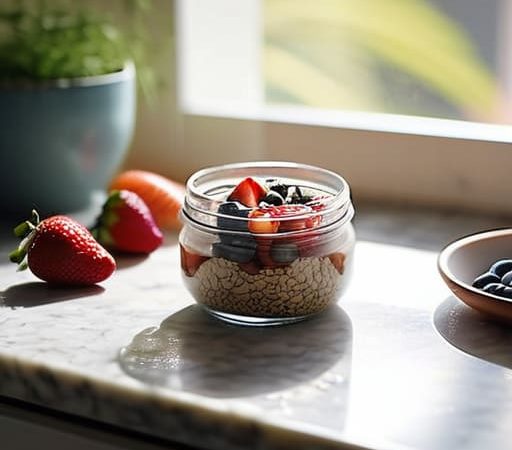
Look, I get it. I spent two years using a blender that sounded like a jet engine and still left me with kale chunks in my teeth. It’s frustrating. If you don’t have a high-speed beast, just skip the hard stuff. Forget frozen acai packs or raw kale; they’ll stay chunky. Stick to soft fruits, yogurt, or even chia seeds soaked in liquid first. It’ll be more of a “smoothie bowl” texture, but it’s way better than a gritty mess.
How do I stop my smoothie from tasting like a liquid salad when I add all the healthy stuff?
Look, I’ve been there. I once made a “wellness” smoothie that tasted like I was drinking a lawnmower bag. If yours tastes like a liquid salad, you’re likely missing the balance of fat and acid. Add a spoonful of peanut butter or some Greek yogurt to mask that bitter kale hit, and don’t forget a squeeze of lemon or a dash of cinnamon. It rounds out the flavors so it actually tastes like food.
Is there a way to prep these ahead of time so I'm not scrambling every single morning?
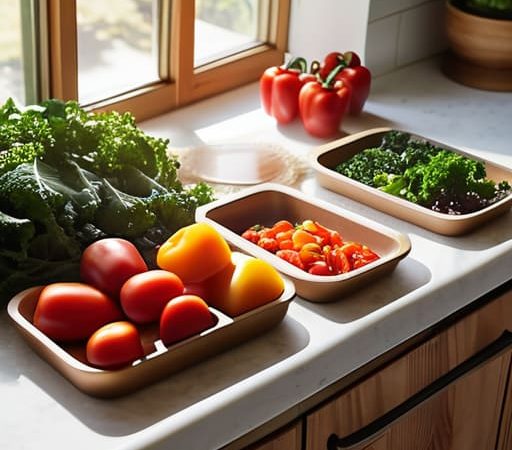
Honestly, the morning scramble is exactly what kills my motivation to eat well. To avoid it, I swear by “smoothie packs.” Grab some freezer bags, toss in your fruit, greens, and whatever seeds you’re using, and flatten them out so they thaw faster. In the morning, you just dump the bag in the blender, add your liquid, and you’re done. It’s low-effort, zero-waste, and saves your sanity.