Designing a Workspace That Makes Focusing Effortless
I am so tired of seeing those “aesthetic” desk setups on social media—the ones with the $800 ergonomic chairs, the matching pastel organizers, and enough expensive tech to fund a small country. It’s all just performative clutter designed to make you feel like you can’t get anything done unless you spend a month’s rent on a minimalist lamp. If you’re scrolling through Pinterest trying to figure out how to build a productive workspace but feeling more overwhelmed by the price tags than inspired by the layouts, I get it. Most of that advice is just high-end consumerism disguised as “wellness,” and honestly, it’s a total scam for anyone actually trying to live on a real budget.
I’m not here to sell you a lifestyle or a shopping list of gadgets you don’t need. Instead, I want to show you how to make the corner of your cramped apartment or that wobbly kitchen table actually work for you. We’re going to focus on low-cost, functional tweaks—like better lighting and smarter organization—that use what you already have. This is about building a setup that is sustainable, affordable, and actually helps you focus without breaking your bank account.
Ergonomic Office Setup Tips That Wont Break the Bank
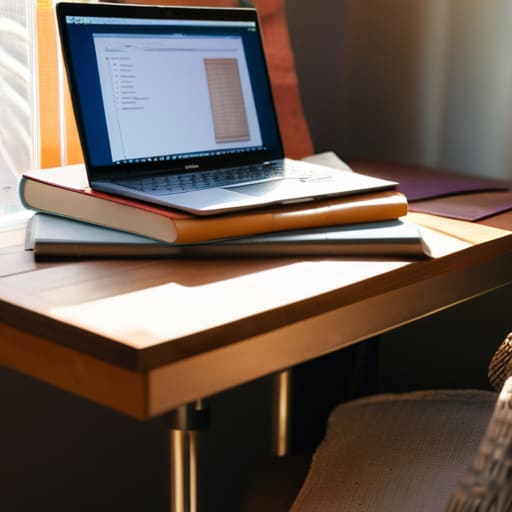
Look, you don’t need to drop five hundred dollars on a high-end chair just to stop your lower back from screaming at you by 3:00 PM. Most of the “ergonomic office setup tips” you see on TikTok involve buying things you don’t actually need. Instead, start with what you’ve got. If your chair is too low, grab a couple of firm bed pillows to prop yourself up. If your laptop screen is making you hunch like a gargoyle, stack some heavy textbooks under it until the top of the screen is at eye level. It looks a little chaotic, sure, but it’s functional and free.
Next, let’s talk about your environment. You don’t need a professional studio setup to fix your workspace lighting for focus. If you’re working under a harsh, flickering overhead light, try moving closer to a window or even just repositioning a cheap desk lamp to bounce light off a white wall. It softens the glare and stops that mid-afternoon eye strain. It’s all about making the space work for you, not waiting until you have a “real” budget to feel comfortable.
Improving Workflow With Desk Layout Instead of New Gear
Honestly, we spend so much time scrolling through “desk setup” videos that feel more like interior design showcases than actual working spaces. But here’s the thing: a beautiful desk doesn’t mean much if you’re constantly fighting your environment. Instead of hunting for the latest tech, try improving workflow with desk layout by looking at your physical reach. I started doing this when I was working from my tiny kitchen table—I realized that if my notebook, water, and pen weren’t within a literal arm’s length, I was losing focus every time I had to stand up or hunt through a drawer.
It’s also about minimizing desk distractions through spatial boundaries. I like to keep my “active” zone—laptop, mouse, and whatever I’m currently writing—completely clear of anything that isn’t essential. If you have a pile of mail or old coffee mugs encroaching on your mousepad, your brain is going to register that clutter as a mental to-do list. Clear the visual noise first. You don’t need a fancy organizer; you just need to reclaim your immediate perimeter so your mind can actually settle into the task at hand.
Small Tweaks to Keep You From Spiraling
- Stop the clutter creep by implementing a “one-in, one-out” rule for your desk. If you bring in a new notebook or a stack of mail, something else has to be tucked away in a drawer or recycled. A clear surface actually helps me clear my head when the freelance deadlines start piling up.
- Use what you have to manage your tech cords. You don’t need a $50 cable management kit; a few binder clips or even some simple masking tape can keep your chargers from becoming a tangled mess on the floor. It sounds small, but not tripping over a cord makes a huge difference in my focus.
- Create a “sensory anchor” that doesn’t cost a cent. For me, it’s a specific playlist or even just opening a window for five minutes of fresh air. It signals to my brain that “work mode” has started without me needing to buy a fancy aromatherapy diffuser.
- Stop relying on your phone for your to-do list. I found that keeping a physical notebook—the cheap kind, not a designer one—right next to my keyboard keeps me from getting sucked into a social media rabbit hole every time I want to check a task. There’s something about physically crossing things off that actually feels real.
- Optimize your lighting with what’s already in the room. If you’re working in a dark corner, move your setup closer to a window. Natural light is free, it’s better for your mood, and it beats staring at a harsh overhead bulb that makes you feel like you’re in a hospital wing.
The Bottom Line: Less Gear, More Function
Stop waiting for a massive paycheck to “fix” your setup; focus on adjusting the things you already own, like your chair height or lamp placement, to make your space more comfortable.
Your environment should serve your workflow, not the other way around, so prioritize a layout that keeps your essentials within reach and your distractions out of sight.
Productivity isn’t about having the most aesthetic desk on Instagram; it’s about creating a functional, sustainable corner that actually helps you get your work done without draining your bank account.
Making It Work for You
At the end of the day, building a productive workspace isn’t about checking off a shopping list of high-end tech or matching your desk to a Pinterest board. It’s about the small, intentional shifts—adjusting your monitor height so your neck doesn’t ache, clearing the clutter so your brain can actually focus, and arranging your tools so they’re within reach when you’re in the zone. You don’t need a massive home office or a designer setup to get things done; you just need a space that respects your body and your workflow. Once you stop chasing the “perfect” aesthetic and start focusing on functional ergonomics and smart layouts, you’ll realize you already have most of what you need.
Please, stop waiting for a bigger paycheck or a new apartment to finally “get serious” about your productivity. Your environment is allowed to be lived-in, and it’s allowed to be imperfect. If a stack of books makes a better laptop stand than a $50 plastic riser, use the books. If your thrifted wooden desk is a bit wobbly, shim it up and keep going. The goal isn’t to create a showroom; it’s to create a sustainable sanctuary where you can actually do your best work without feeling overwhelmed by the cost of entry. You’ve got this.
Frequently Asked Questions
How do I make a tiny, cramped corner of my bedroom actually feel like a workspace without it taking over my whole life?
The “bedroom-office” trap is real, and it’s exhausting when your desk feels like it’s staring at you while you’re trying to sleep. Since space is tight, stop trying to make it a “room” and start treating it like a zone. Use a small, dedicated lamp to create a visual boundary—when the lamp is off, work is over. If you can, tuck your laptop into a drawer or a basket at night. If you can’t see it, your brain can finally clock out.
I don't have a lot of money for lighting—is there a way to fix my workspace setup using just what I have near a window?
Honestly, don’t even bother with those expensive ring lights. If you’re near a window, you’ve already got the best light source for free. Just pull your desk perpendicular to the window—not directly in front of it (too much glare) and not behind you (that’s how you get shadows). If the light is too harsh at noon, hang a thin, light-colored bedsheet over the window. It acts like a professional diffuser and keeps things soft.
What do I do if my current desk or chair is just physically uncomfortable and I can't afford to replace it right now?
Look, I’ve been there. I once spent three months working from a kitchen chair that felt like sitting on a brick. If you can’t swing a new setup, stop looking at catalogs and start looking at what’s in your linen closet. A firm pillow for lumbar support or even a folded towel behind your lower back can be a total game-changer. Use some old textbooks to raise your monitor to eye level. It’s not pretty, but it’s functional.