Master the Art of Authentic Italian Pasta
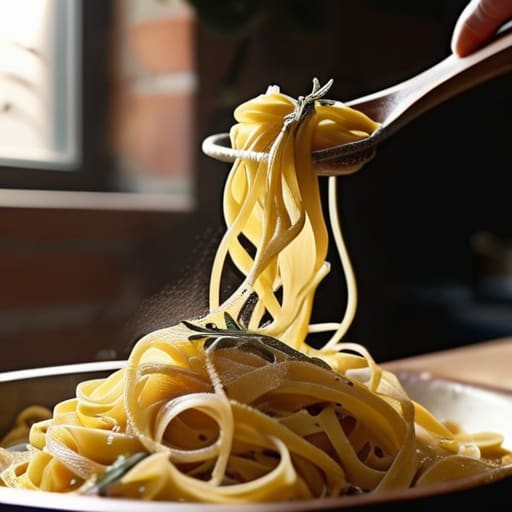
I am so tired of seeing those “aesthetic” cooking videos where people act like you need a $50 artisanal pasta maker and a specialized copper pot just to get through a Tuesday night. Honestly, most of that is just performative nonsense designed to make you feel like your kitchen isn’t “ready” for real life. You don’t need a culinary degree or a mountain of expensive gadgets to figure out how to cook pasta perfectly; you just need to stop listening to the hype and start paying attention to the basics.
I’m not here to give you a lecture on gourmet techniques that require a trip to a specialty importer. Instead, I’m going to show you how to get restaurant-quality results using the dented pot you already have in your cupboard and the ingredients sitting in your pantry right now. We’re going to focus on the actual science of salt, water, and timing so you can stop stressing and start eating. This is about making a decent meal that actually tastes good without breaking your budget or wasting your time.
The Real Boiling Water Salt Ratio for Flavor
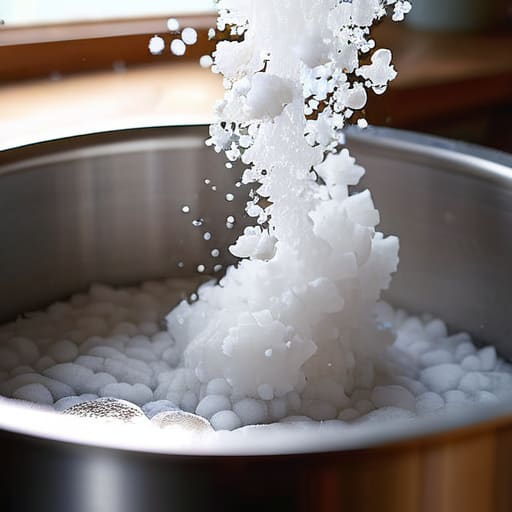
Look, I see these recipes online telling you to measure out exactly 1.5 tablespoons of salt per liter of water, and honestly? It’s a bit much. I’m not trying to run a chemistry lab in my tiny kitchen; I just want my dinner to taste like something. The truth is, the boiling water salt ratio isn’t some sacred, scientific formula you need to obsess over. My rule of thumb is to salt the water until it actually tastes like a decent soup. If the water is bland, your noodles will be bland, and no amount of expensive sauce is going to fix that fundamental mistake.
Once you get that seasoning right, you’re basically seasoning the pasta from the inside out. This is the secret to achieving al dente texture that actually holds up when you toss it with your sauce. Also, don’t dump all that salt in at once—wait until the water is actually at a rolling boil so it dissolves properly. It’s one of those small, free habits that makes a massive difference in the final result.
Achieving Al Dente Texture Without the Fancy Tools
You don’t need a professional-grade kitchen or some high-tech timer to nail the texture. Honestly, the biggest mistake I see is people just following the box instructions blindly. Those times are usually a “best guess” by the manufacturer, not a rule. To actually master achieving al dente texture, you need to start tasting the pasta about two or three minutes before the timer is supposed to go off. It should have a slight, firm resistance in the center—not a chalky crunch, but a soulful bite that tells you it’s ready to soak up flavor.
Also, stop worrying about having a fancy colander if that’s all you’ve got. The real secret to a restaurant-quality finish is actually preventing sticky pasta by being smart with your liquids. Before you drain anything, grab a mug and scoop out some of that starchy, salty liquid. That pasta water for sauce is liquid gold; it acts as the bridge that binds your sauce to the noodles, ensuring everything stays cohesive rather than sliding off into a puddle on your plate.
Five ways to stop treating pasta like a chore and start actually enjoying it
- Save a mug of that starchy water before you drain the pot. I know, it sounds like a random kitchen rule, but that liquid gold is the secret to making a sauce actually stick to your noodles instead of just pooling at the bottom of the bowl.
- Stop using a massive pot if you’re only making one serving. You don’t need a cauldron; just use whatever pot you have, but make sure there’s enough room for the pasta to move so it doesn’t turn into one giant, gummy brick.
- Give the pasta a stir in the first two minutes. This is when it’s most likely to stick to the bottom or to itself, so a quick stir with a regular spoon is way more effective than any high-tech gadget.
- Don’t rinse your pasta with cold water unless you’re making a literal cold pasta salad. If you’re eating it hot, rinsing off that starch is basically washing away all the flavor and making the texture weirdly slippery.
- Taste it early. Don’t wait until the timer goes off like a robot; actually take a bite a minute or two before the box says it’s done. Every stove and every pot is different, so trust your taste buds over the packaging.
The Bottom Line: Keep It Simple
Stop stressing about expensive pasta water thermometers; just start tasting your noodles a minute or two before the box says they’re done to hit that perfect al dente bite.
Don’t skimp on the salt—it’s the cheapest way to make sure your pasta actually tastes like something instead of just bland, wet flour.
You don’t need a gourmet kitchen to nail this; just use the pot you already own, salt the water heavily, and trust your taste buds over the instructions on the package.
Stop Stressing and Just Eat
At the end of the day, cooking great pasta isn’t about owning a professional-grade thermometer or buying those overpriced, artisanal shapes that fall apart the second they hit the sauce. It really just comes down to the basics: salting your water enough so the noodles actually taste like something, and paying attention to the texture so you don’t end up with a bowl of mush. You don’t need a culinary degree or a kitchen full of gadgets; you just need a large pot, plenty of salt, and a little bit of patience while you wait for that perfect al dente bite. Once you master these few simple steps, you’ll realize that most of those “secret” chef techniques are really just common sense disguised as complexity.
I know how easy it is to feel like you have to do everything “the right way” to get a good result, especially with all the perfectionist food content floating around online. But honestly? Your dinner doesn’t need to be a masterpiece for a photoshoot to be a win. If the pasta is seasoned, the texture is right, and it fills you up, you’ve succeeded. Focus on making something that actually tastes good and fits into your real, busy life. You’ve got this, so grab a fork and enjoy the meal you worked for.
Frequently Asked Questions
Is it actually worth saving the pasta water, or is that just another influencer trend?
Look, I’m usually the first person to roll my eyes at “kitchen hacks” that feel more like aesthetic chores, but saving your pasta water is actually one of the few that isn’t performative. It’s basically liquid gold. That starchy water is what helps your sauce actually cling to the noodles instead of just sliding off to the bottom of the bowl. It’s free, it’s functional, and it makes a basic meal feel way more cohesive. Use it.
Can I still get a good result if I'm using a tiny pot instead of a massive stockpot?
Honestly? Yes, but you have to be a little more intentional about it. I’ve definitely had nights where my only pot was a tiny saucepan because I was too tired to do dishes. The main issue is the starch; in a small amount of water, it gets super gummy. Just use slightly less pasta than you think you need, stir it more frequently right at the start to keep it from sticking, and you’ll be fine.
What do I do if I accidentally overcook it and it turns into mush?
Look, it happens to the best of us. If you’ve ended up with a bowl of mush, don’t toss it in the trash—that’s just wasting money. Honestly, the best move is to pivot. Lean into the texture: toss it with some extra olive oil, garlic, and maybe a fried egg to turn it into a sort of deconstructed carbonara. Or, if it’s really gone, bake it with some cheese to make a quick, comforting pasta bake.