Quick Stretches to Relieve Tension From Sitting at a Desk

I was staring at a $300 “ergonomic posture corrector” on my screen last week, feeling that familiar wave of annoyance. Honestly, if we actually needed expensive gadgets to survive a workday, we’d all be broken by now. I spent most of my early freelance years hunched over a thrifted kitchen table in my tiny apartment, convinced that my stiff neck was just the price of doing business. But the truth is, you don’t need a specialized wellness retreat or a high-tech chair to fix that dull ache in your shoulders; you just need a few realistic desk stretches that don’t require you to turn your living room into a yoga studio.
I’m not here to sell you on a “perfect” wellness routine that takes an hour and leaves you feeling more stressed than when you started. Instead, I’m sharing the exact, low-effort moves I use when I’m deep in a copywriting flow and realize I’ve been holding my breath for twenty minutes. We’re going to focus on functional movement that actually works with your current setup, not against it. No fluff, no fancy gear—just simple ways to help you feel human again.
Relieve Neck Tension at Work Without Leaving Your Chair
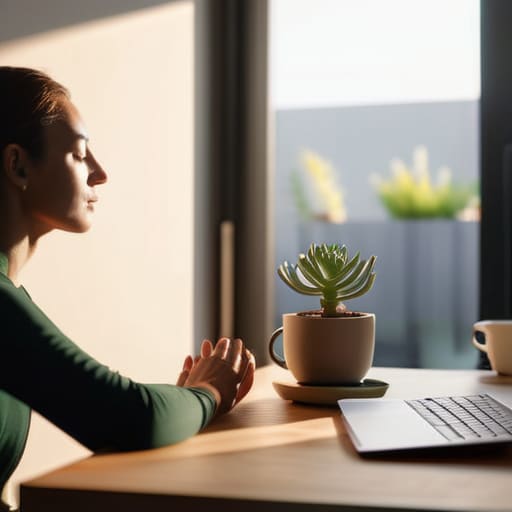
Honestly, if you’re like me, you probably spend half your day hunched over a laptop, basically becoming a human question mark. It’s a terrible habit, but it’s hard to break when you’re deep in a flow state. To relieve neck tension at work without making a scene in a quiet office, try the “chin tuck.” It sounds silly, but just pull your head straight back—like you’re trying to make a double chin—and hold it for a few seconds. It resets your alignment and forces you out of that forward-leaning slump we all fall into.
If your neck feels like it’s made of stone, try some gentle side stretches. Drop your right ear toward your right shoulder, and if you want to go deeper, reach your left hand toward the floor. Don’t force it; just breathe into the tightness. These aren’t fancy ergonomic office exercises you need a gym membership for; they’re just small, intentional movements to stop that tension from turning into a full-blown headache by 3:00 PM.
Wrist Stretches for Typing to Save Your Hands
If you’re anything like me, you probably spend hours hunched over a laptop, clicking away until your hands feel stiff and strangely numb. We’ve all seen those expensive split keyboards that claim to fix everything, but honestly? Most of the time, your hands just need a quick reset. I’ve started doing these wrist stretches for typing every time I finish a long email thread or a freelance project, and it’s a total game-changer for preventing that dull ache from setting in.
Start by extending one arm straight out in front of you, palm facing away like you’re telling someone to stop. Use your other hand to gently pull your fingers back toward your body. Hold it for about twenty seconds, then flip it around so your palm faces you and pull your knuckles down toward your forearm. It feels a little intense at first, but it’s way more effective than any overpriced ergonomic gadget I’ve ever tried. Just keep it subtle so you don’t look like you’re doing a full workout in the middle of a Zoom call.
5 ways to stop feeling like a human pretzel by 3 PM
- Stop the “tech neck” slouch by squeezing your shoulder blades together like you’re trying to hold a pencil between them for five seconds. It feels awkward for a moment, but it actually resets your posture.
- Give your hips a break with a seated figure-four stretch. Cross one ankle over the opposite knee and lean forward just a tiny bit. It’s a lifesaver if you’ve been glued to your chair for three hours straight.
- Don’t ignore your lower back; instead of buying a $100 lumbar pillow, just sit on the edge of your chair and do a few gentle seated twists. It helps unglue that stiffness that builds up while you’re hyper-focusing.
- Use your desk as a tool for a standing chest opener. Stand up, put your hands on the edge of the desk, and step back a bit to stretch your chest out. It counters that rounded-shoulder look we all get from typing.
- Set a “movement micro-habit.” I use a habit tracker in my notebook for this—every time I finish a specific task or a deep-work session, I do one single stretch. It’s much easier than trying to remember to “exercise” during a busy workday.
The bottom line: stop waiting for a "perfect" setup
You don’t need a $500 ergonomic chair to feel better; just start moving your body every hour using the furniture you already have.
Consistency beats intensity every single time—two minutes of stretching daily is way more effective than one massive yoga session once a week.
Listen to your body’s actual signals, not some wellness influencer’s checklist; if a stretch feels weird or painful, skip it and try something else.
Listen to Your Body, Not the Grind
Look, we’ve covered a lot here—from loosening up that tight neck tension to giving your wrists a much-needed break from the constant typing. The main thing I want you to take away is that you don’t need a standing desk upgrade or a fancy ergonomic setup to start feeling better. It really just comes down to consistent, tiny movements that break up those long stretches of sitting still. Whether it’s a quick neck tilt or a simple wrist stretch, these small adjustments are what actually prevent that end-of-day burnout where you feel like a literal statue. Just remember: movement is medicine, even if it only lasts for sixty seconds.
At the end of the day, please stop treating your body like a machine that can just run on caffeine and sheer willpower indefinitely. We live in a culture that celebrates the “grind,” but there is nothing productive about working through chronic pain. You deserve to finish your workday feeling like a functional human being, not a crumpled-up piece of paper. So, set a timer, take a breath, and do one of these stretches right now. It’s not about being perfect or following a strict wellness routine; it’s just about being kind to yourself with the tools you already have.
Frequently Asked Questions
How often am I actually supposed to be doing these stretches to notice a difference?
Look, I’m not going to give you some unrealistic “once a day” goal that you’ll abandon by Tuesday. Realistically? Do them whenever you feel that first twinge of tension or whenever you finish a deep-work block. If you wait until you’re in actual pain, you’ve waited too long. Aim for a quick two-minute reset every hour or two. Consistency beats intensity every single time. Just make it a habit, not a chore.
What if I have a sharp pain instead of just a dull ache—should I still push through?
No. Seriously, stop right there. There is a massive difference between “my muscles feel tight” and “something feels sharp or electric.” If you feel a sudden, stabbing pain, that’s your body’s alarm system going off. Do not try to “stretch it out”—you might actually be making a strain much worse. Stop the movement, take a breather, and if it doesn’t settle down quickly, please go talk to a professional. Pushing through actual pain isn’t productive; it’s just risky.
Are there any stretches I can do that won't look super weird if I'm in a shared office or a Zoom meeting?
I totally get it—nobody wants to be “that person” doing full-on yoga in the middle of a Slack huddle. If you’re on a Zoom call, stick to subtle neck tilts or even just some seated spinal twists; they look like you’re just settling into your chair. For the office, try some gentle shoulder rolls or calf raises under your desk. It’s low-key, effective, and keeps you from feeling like you’re performing for an audience.