Essential Yoga Poses for Anyone Just Starting Out
I used to scroll through Instagram and see these “perfect” yogis in $120 matching sets, performing gravity-defying poses in sun-drenched studios that looked more like a luxury spa than a place to sweat. It felt so performative and, honestly, completely inaccessible. I remember sitting on my cramped apartment floor, trying to follow a video while my neighbor’s construction work blared through the walls, feeling like I was failing at yoga for beginners before I’d even finished my first downward dog. The truth is, you don’t need a curated aesthetic or a designer mat to actually reap the benefits; you just need a little bit of floor space and the willingness to look a little ridiculous for a few minutes.
I’m not here to sell you on a lifestyle or a specific brand of leggings. Instead, I want to give you a realistic roadmap for starting your own practice without the gatekeeping or the unnecessary price tags. My goal is to show you how to build a routine that actually fits into your messy, real life using what you already have. We’re going to focus on functional movement and finding what feels good for your body, not what looks good in a photo.
Ditch the Gear Essential Yoga Props for Home Practice
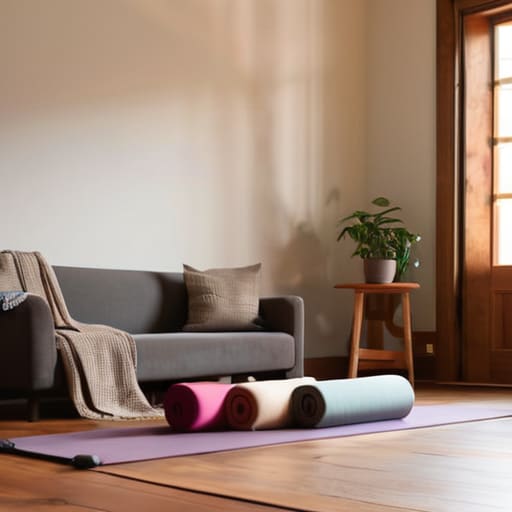
Look, I’ve seen those curated Instagram feeds where every setup looks like a high-end spa, complete with hand-woven mats and $80 cork blocks. It’s exhausting, and honestly? It’s unnecessary. If you’re just starting out, you don’t need to drop a paycheck on essential yoga props for home practice. Most of what you actually need is probably sitting in your linen closet or under your bed right now.
Instead of buying a stack of foam blocks, grab two thick, hardcover books. They do the exact same thing by bringing the floor closer to your hands during tricky poses. If you’re struggling with a tight hamstrings, skip the expensive bolster and just use a firm bed pillow or a rolled-up bath towel. These little hacks make a massive difference when you’re trying to find your flow without feeling like you’re constantly straining. The goal isn’t to look like a pro; it’s to make the movements feel sustainable and supportive for your specific body. Focus on what works for you, not what looks good in a photo.
Simple Yoga Breathing Techniques for Beginners to Find Calm
Honestly, if you’re doing yoga just to get flexible, you’re missing the best part. The real magic happens when you actually use your breath to settle your nervous system. You don’t need to master complex pranayama or sit in a silent cave to feel the effects; you just need to stop holding your breath every time you move into a stretch. One of my favorite yoga breathing techniques for beginners is simple belly breathing. While you’re sitting on your floor or even just lying in bed, place a hand on your stomach and try to make it rise as you inhale. It sounds almost too basic, but it’s the fastest way to signal to your brain that you aren’t actually in danger.
When things feel particularly chaotic—like when my inbox is overflowing or I’ve had too much caffeine—I lean into “Box Breathing.” Inhale for four counts, hold for four, exhale for four, and hold again. It creates this immediate sense of grounding that helps bridge the gap between the physical movement and the mental calm. Integrating this into a daily yoga routine for wellness is what turns a simple workout into actual self-care.
Five ways to actually stick with yoga without losing your mind (or your savings)
- Stop comparing your “Day 1” to someone else’s “Year 10.” I see so many people get discouraged because they can’t touch their toes or hold a pose for a minute. Honestly? Just being on the floor is a win. Yoga isn’t a competition; it’s just you moving your body.
- Forget the aesthetic “zen” vibe if it feels fake to you. If you need to do your flow in your oversized, stained college t-shirt with your cat walking over your face, do it. You don’t need a curated, candle-lit sanctuary to get the benefits.
- Listen to your body, not the instructor. If a video tells you to push deeper into a stretch but you feel a sharp pinch, stop. Immediately. There’s a massive difference between “this is hard” and “this is hurting me,” and learning that distinction is the most important skill you’ll ever develop.
- Keep your sessions short and frequent rather than long and sporadic. I’ve found that doing ten minutes of stretching while my coffee brews is way more effective for my mental health than trying to force a grueling hour-long session once a week that I eventually end up dreading.
- Use your environment to your advantage. If you don’t have a yoga block, grab a thick hardcover book. If you can’t reach your feet, use a belt or a jump rope. The goal is to support your body, not to buy more plastic stuff from an ad you saw on Instagram.
The bottom line: How to actually start
Stop waiting for the “perfect” setup; your living room floor and a couple of thick books can replace a studio’s worth of expensive props.
Focus on how your body feels rather than how a pose looks on a screen—if it hurts or feels forced, back off.
Consistency beats intensity every single time, so aim for ten minutes of intentional movement rather than a grueling hour you can’t sustain.
Just show up as you are
Look, we’ve covered a lot, but if you walk away with nothing else, remember this: you don’t need a curated studio setup or a mastered breathing pattern to call it “yoga.” We talked about how a folded towel or a stack of old books can replace expensive props, and how simple breathwork is more about finding your center than hitting a perfect rhythm. Yoga isn’t a performance you put on for an audience or a checklist of poses to master before you’re “allowed” to feel peaceful. It’s just about showing up, using what you have in your living room, and listening to your own body instead of a generic video tutorial.
At the end of the day, the most “authentic” practice is the one that actually fits into your real, messy, uncurated life. Don’t let the pressure to look a certain way or buy the right gear stop you from taking ten minutes to just move and breathe. If you end up wobbly, or if your mind wanders to your grocery list halfway through a stretch, that is perfectly okay. That’s just life. Stop waiting for the “perfect” moment to start and just roll out your towel. You’ve got this, and honestly, your body will thank you for it.
Frequently Asked Questions
I’m not flexible at all—is it even possible for me to do this without feeling like I'm going to snap something?
Honestly, this is the biggest myth out there. I used to think I had to be able to touch my toes just to step onto a mat, but that’s backwards. You don’t do yoga because you’re flexible; you do it to become flexible. If you feel like you’re going to snap something, you’re pushing too hard. Just back off. Use a pillow for support, move slowly, and listen to your body instead of trying to win a competition.
How much time do I actually need to spend on the mat each day to see any real benefit?
Honestly? If you’re waiting for a perfect hour-long window, you’re never going to start. I used to think I needed a full session to “count,” but that’s just another way to set yourself up for burnout. Even ten minutes of intentional movement or just a few deep breaths between work tasks makes a difference. Consistency beats duration every single time. Just get on the mat for whatever time you actually have—even if it’s five minutes.
Should I be following a specific video routine, or is it better to just wing it and see how my body feels?
Honestly? A little bit of both. If you just wing it, you might end up in a weird position that tweaks your back, and if you follow a rigid video, you might end up ignoring your own body just to “finish” the routine. I like to use a video as a loose roadmap, but I always prioritize how I actually feel. If the instructor says “push deeper” but your hamstrings are screaming, listen to your hamstrings, not the screen.