Pro Tips for Keeping Your Groceries Fresh Longer
I’m so tired of seeing those aesthetic, $40 glass canister sets all over my feed, promising that “organization” is the secret to a better life. Honestly, if you think buying a matching set of airtight containers is the magic fix for your wilted spinach, you’re being sold a lie. Most of the time, people spend a fortune on these gadgets only to realize they still don’t know how to store food properly in a way that actually works with their real, messy lives. I spent way too many years in a cramped apartment throwing money away on “specialty” storage, only to end up scraping moldy leftovers out of the bin every Sunday.
I’m not here to sell you a lifestyle aesthetic or a shopping list of expensive kitchen tools. Instead, I want to share the unfiltered, budget-friendly methods I’ve actually used to keep my groceries fresh while working with a tiny fridge and a tight freelance budget. We’re going to focus on practical, zero-cost hacks and the simple science of what actually keeps things from spoiling. No fluff, no performative perfection—just real ways to stop wasting money and start making your food last.
Smart Refrigerator Organization Tips for Busy Lives
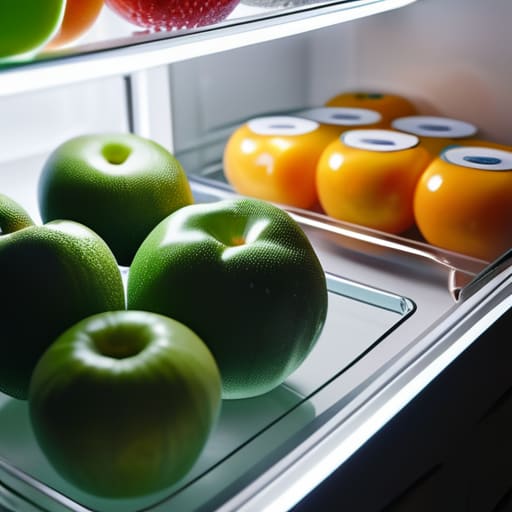
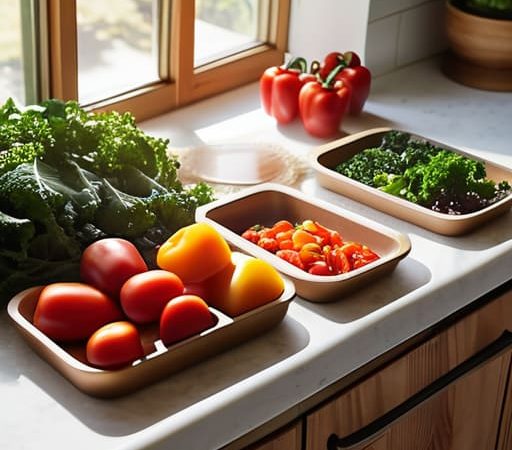
Look, I get it. You open the fridge after a long day, stare at a chaotic pile of Tupperware and loose produce, and just… sigh. Most of us treat our fridges like a black hole where leftovers go to die. But if you want to actually stop throwing money in the trash, you need a system that doesn’t require a PhD in organization. Start by grouping things by “use case.” Keep your dairy and eggs in the main body where it’s consistent, but move your milk and juices to the lower shelves—the temperature is more stable there, which is huge for preventing food spoilage.
Don’t go out and buy a $50 set of matching acrylic bins just because you saw them on TikTok. That’s how you end up with more clutter. Instead, use what you’ve got. I swear by grouping my “grab-and-go” items like yogurt or pre-cut veggies in one specific zone. Also, pay attention to the shelf life of groceries by practicing a simple “first in, first out” rule. If you bought that spinach on Monday, it needs to be front and center so it doesn’t get buried behind a jar of pickles you haven’t touched in months.
Preventing Food Spoilage Without Buying Fancy Gadgets
Look, we’ve all seen those TikTok videos where people spend hundreds of dollars on matching glass jars and vacuum sealers just to look organized. Honestly? It’s a waste of money. You don’t need a designer kitchen to master preventing food spoilage. If you want to extend the shelf life of groceries, start with what you already have in your cupboard. Those mismatched plastic containers you inherited from your college days? They work just fine. The goal is simply to limit air exposure, so don’t feel pressured to buy a whole new set of “aesthetic” sets just to keep your berries from turning into mush.
For things like herbs or leafy greens, skip the expensive specialized pods and try the paper towel trick. Tucking a single sheet of paper towel into your container absorbs excess moisture, which is a total game-changer for keeping things crisp. When it comes to your freezer, the real enemy is air. If you’re tired of dealing with freezer burn, just make sure you’re squeezing every bit of air out of your reusable bags before zipping them shut. It’s not about the gear; it’s about the habit.
My Low-Effort Rules for Actually Making Your Groceries Last
- Stop treating your crisper drawer like a junk drawer. Keep your greens in a container with a paper towel tucked inside to soak up excess moisture; it’s a total game-changer for preventing that slimy mess.
- Group your “eat me first” items in one specific spot in the fridge. If I see a lonely half-onion or a yogurt nearing its date, it’s right there in my line of sight so it doesn’t end up in the trash.
- Don’t be afraid to freeze things. If you realize you aren’t going to use that bread or those berries before they go bad, toss them in a freezer bag immediately. It’s not “giving up,” it’s being smart.
- Keep your potatoes and onions in separate dark spots. If you store them together, they’ll trigger each other to sprout way faster, and you’ll be throwing away money every single week.
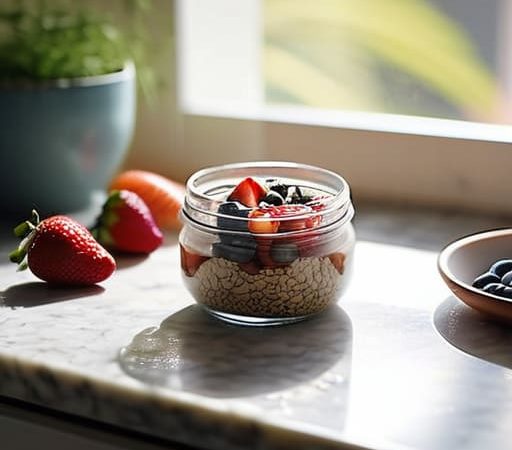
- Use what you’ve got instead of buying a matching set of expensive containers. An old glass pasta sauce jar is actually a perfect, airtight vessel for leftovers or dried herbs.
The Bottom Line: Less Waste, More Savings
Stop waiting for a “perfect” organization system to arrive in the mail; just use what you have, like glass jars from pasta sauce or old Tupperware, to keep things contained and visible.
Treat your fridge like a living ecosystem—keep your ethylene producers (like apples) away from your leafy greens so you aren’t throwing out a bag of slime every Monday.
The most effective tool you own isn’t a gadget, it’s a quick mental check before you shop; knowing exactly what’s already in your pantry is the easiest way to stop wasting money on duplicates.
The Bottom Line
At the end of the day, keeping your food fresh isn’t about having a color-coordinated pantry or a collection of expensive glass canisters that look pretty on a shelf. It’s about the small, intentional shifts—like actually using your fridge zones correctly, reusing those old containers, and not letting your produce go to die in the bottom drawer of the crisper. When you stop treating food storage like a lifestyle aesthetic and start treating it like a way to save money and reduce waste, everything changes. You’ll find you’re spending less on grocery runs and feeling way less guilty about tossing out wilted greens every Sunday night.
I know it can feel overwhelming to try and overhaul your entire kitchen routine overnight, but please don’t feel like you have to be perfect. If you only manage to master one thing this week—maybe it’s just remembering to move your leftovers to the front of the fridge—that is still a win. We’re all just trying to navigate this chaotic life with a little more intention and a lot less waste. Start with what you have in your cupboards right now, be kind to yourself, and just focus on what actually works for your real, messy, beautiful life.
Frequently Asked Questions
Does it actually matter if I keep my onions and potatoes in the same bin, or will they just rot faster?
Keep them separate. Seriously. I know it’s tempting to just toss everything into one bin to save space, but onions and potatoes are basically enemies. Onions release moisture and gases that make potatoes sprout or rot way faster than they should. I’ve learned this the hard way by wasting way too much money on spoiled spuds. Grab two different baskets—even just old cardboard boxes or thrifted bins—and keep them in separate, dark spots.
How can I tell if something is actually bad to eat versus just looking a little sad and wilted?
Honestly, I used to toss everything that looked a little “off,” but that’s just throwing money in the trash. Here’s my rule of thumb: if it’s just limp or slightly discolored, it’s usually fine—just toss it in a smoothie or a soup. But if it smells sour, feels slimy, or has actual fuzz growing on it? That’s a hard no. Trust your nose and your gut; if it feels sketchy, don’t risk it.
Is there a way to meal prep for the week without everything turning into a soggy mess by Wednesday?
Honestly, the “soggy mess” struggle is so real. The secret isn’t a fancy vacuum sealer; it’s just about keeping textures separate. Stop mixing your dressing or sauces into your salads or grains on Sunday. Keep them in tiny separate containers—even old jam jars work—and only combine them right before you eat. Also, let your cooked veggies cool completely before lid-locking them, or that trapped steam will turn everything into mush by Wednesday.