Note-taking Strategies That Improve Long-term Retention

I was sitting on my floor last Tuesday, surrounded by half-empty thrifted coffee mugs and a mountain of discarded sticky notes, realizing I had spent more time organizing my thoughts than actually using them. We’ve been sold this lie that to be productive, we need a $30 leather-bound journal or a complex digital ecosystem with endless sub-folders. Honestly, most of these high-maintenance note taking methods are just a way to perform “productivity” without actually getting anything done. I’m tired of the aesthetic-obsessed tutorials that make a simple grocery list look like a work of art; it’s exhausting and, frankly, a waste of time.
I’m not here to sell you on a new app or a specific brand of expensive pens. Instead, I want to share the few, low-stakes systems that actually survived my chaotic freelance schedule and my tendency to lose things. We’re going to look at note taking methods that are functional, affordable, and actually stick when your brain is moving at a hundred miles an hour. Let’s strip away the fluff and find a way to capture your ideas using what you already have on hand.
Mastering the Cornell Note Taking System Without the Stress
I used to think the Cornell note taking system was just some rigid academic torture designed to make my hands cramp, but it’s actually surprisingly chill once you stop trying to make it look “aesthetic.” The whole idea is simple: divide your paper into three sections—a narrow column on the left for cues, a larger space on the right for actual notes, and a little box at the bottom for a summary. Instead of just mindlessly transcribing every word a professor says, you’re forced to actually engage. It turns a passive lecture into a bit of a scavenger hunt where you’re looking for the meat of the topic rather than just recording noise.
The real magic happens during your review, not just while you’re writing. When you use this method, you aren’t just scribbling; you’re practicing active listening and note taking simultaneously. By pulling out keywords in that left-hand column, you’re essentially building your own personalized cheat sheet. It’s a way of organizing lecture notes that actually serves your future self, saving you from that frantic, caffeine-fueled panic when finals week rolls around.
Mind Mapping for Students Who Hate Rigid Outlines
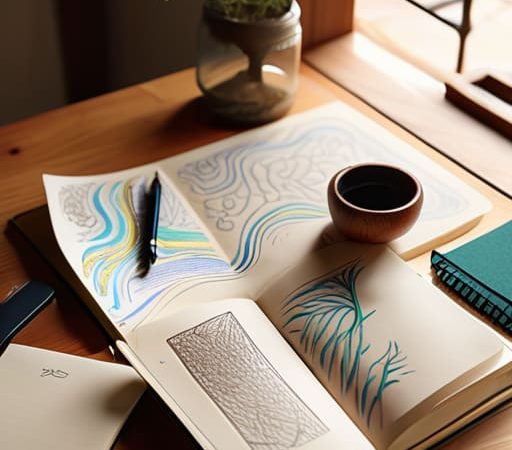
If the structured columns of the Cornell note taking system feel more like a cage than a tool, you’re probably a visual thinker. I used to spend half my lectures panicking because I couldn’t keep up with the linear flow of a professor’s speech, trying to force every sentence into a neat little bullet point. Mind mapping for students who can’t stand rigid outlines is a total game-changer because it lets you embrace the chaos. Instead of a top-down list, you start with your main topic in the center of the page and let ideas branch out like vines in my community garden.
It’s less about recording every single word and more about capturing the connections between concepts. When you’re practicing active listening and note taking, your brain is naturally looking for patterns; mind maps just give those patterns a place to live. Whether you prefer the tactile feel of a pen on paper or you’re debating digital vs analog note taking, the goal is the same: stop trying to transcribe and start mapping how ideas actually relate to one another.
5 ways to actually make your notes useful (without the extra fluff)
- Stop trying to transcribe every single word. I used to think being a “stenographer” was productive, but it’s just exhausting. Focus on the main ideas and the “why” behind them; your future self will thank you when you’re actually trying to review them later.
- Use a system that fits your brain, not a TikTok trend. If you’re a visual person, draw arrows and bubbles. If you’re more logical, use bullet points. There is no “correct” way to take notes, only the way that keeps you from staring blankly at a page ten minutes later.
- Keep a “junk” notebook for the messy stuff. I always carry a cheap, beat-up notebook for when I’m mid-thought or just need to scribble a grocery list during a meeting. Don’t let the fear of a “messy” page stop you from capturing a good idea.
- Color code with what you already have. You don’t need a 48-pack of aesthetic highlighters. One black pen and one single colored highlighter are plenty to separate headings from the actual content. Keep it functional, not performative.
- Build in a five-minute review habit. Notes are useless if they just sit there gathering dust in a drawer. Spend five minutes at the end of the day just glancing over what you wrote. It helps the info actually stick without requiring a massive, overwhelming study session.
The Bottom Line: Finding Your Flow
Ditch the guilt of not using a “perfect” system; if a method feels like a chore rather than a tool, it’s not the right one for you.
Stop overspending on aesthetic stationery and focus on how you actually process information—a cheap spiral notebook works just as well as a $40 digital planner.
Experiment with these methods in small doses to see which one helps you actually retain info instead of just making your pages look pretty.
Finding Your Own Flow
Look, at the end of the day, whether you’re leaning into the structure of the Cornell method or letting your thoughts wander through a mind map, the “best” system is whichever one actually helps you retain information without making you want to throw your notebook across the room. We’ve covered a lot of ground, from rigid academic frameworks to more visual, creative approaches, but the goal isn’t to master every single one of them. It’s about identifying which one fits into your actual, messy life. You don’t need a specialized, color-coded system to be productive; you just need a way to capture your thoughts that doesn’t feel like a chore you’re constantly avoiding.
Please, stop waiting for that perfect, aesthetic stationery haul to arrive before you start getting organized. Your brain doesn’t care if your notes are written in a $40 fountain pen or a half-chewed Bic from the junk drawer; it only cares if the information is accessible when you need it. Use what you have, experiment with these methods for a week, and then toss the ones that don’t stick. Productivity isn’t about performing for an audience or achieving some unattainable level of organization—it’s about making your life a little bit easier so you can focus on the things that actually matter.
Frequently Asked Questions
I’ve tried a few of these, but how do I actually keep up when the lecture or meeting is moving way too fast?
Honestly, I’ve been there. When things start moving at light speed, stop trying to transcribe every single word—you’ll just end up with a page of gibberish and a headache. Instead, lean into shorthand. Use arrows, symbols, or even just abbreviations for common words. My rule of thumb? Capture the “meat” of the idea and leave a big gap. You can always fill in the blanks later when you’re actually calm and focused.
Is it actually worth the extra effort to organize my notes later, or should I just focus on getting everything down in the moment?
Honestly? If you’re trying to build a “perfect” system, you’re wasting time. But there’s a huge difference between mindless scribbling and actually reviewing. Don’t spend hours color-coding, but do give yourself ten minutes at the end of the day to highlight the stuff that actually matters. If you just dump info and never look back, it’s just digital clutter. Aim for “functional review,” not “aesthetic organization.” Make it useful, not pretty.
Do I really need to go digital, or can I stick to my old-school notebook without falling behind?
Honestly? Not at all. I’ve got a stack of thrifted notebooks in my desk that do more for my brain than any $15 app ever could. Digital is great for searching keywords, but there’s a tactile connection with pen and paper that helps things actually stick. If your notebook helps you process information without the constant distraction of notifications, stick with it. Don’t switch just because you feel like you “should.”