Small Financial Habits That Lead to Long-term Wealth
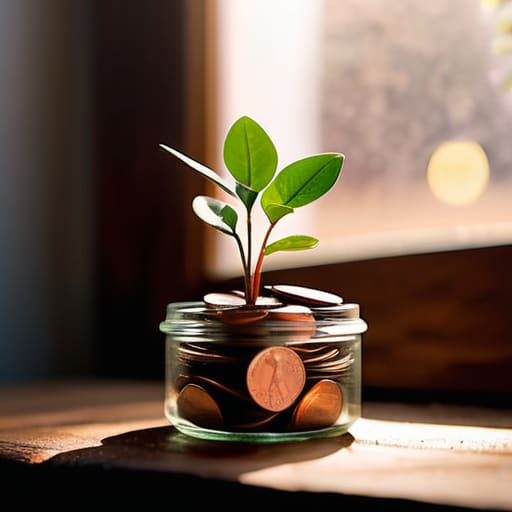
I’m so tired of seeing those “aesthetic” finance influencers post videos about how to build good money habits while sipping $7 oat milk lattes in a minimalist studio that probably costs more than my entire annual rent. It’s all very polished, very performative, and—honestly—completely useless for anyone actually living a real life. When I was growing up in a cramped apartment, “budgeting” wasn’t a lifestyle choice or a trendy Pinterest board; it was a survival skill involving crumpled grocery receipts and deciding which utility bill to pay first. I don’t care about high-yield savings accounts that require a five-figure minimum, and I’m definitely not here to tell you to cut out every small joy just to see a number go up on a screen.
Instead, I want to talk about what actually works when you’re juggling freelance gigs and trying to make ends meet. I’m going to share the low-maintenance, realistic strategies I use to keep my head above water without losing my mind. We aren’t going to chase some impossible standard of perfection; we’re just going to focus on functional systems that fit into your actual, messy, beautiful life.
Mastering Financial Literacy Fundamentals Without the Stress
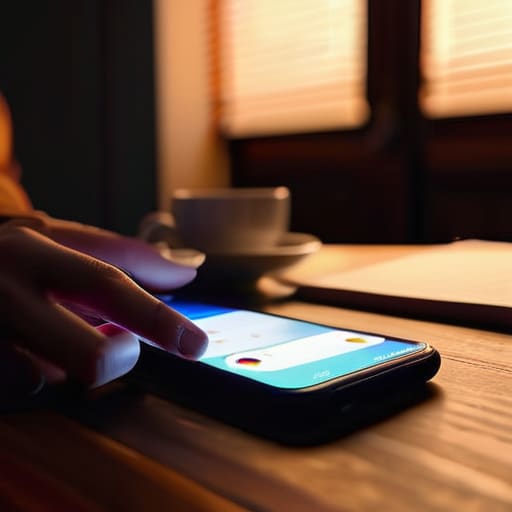
Look, I used to think “financial literacy” was just some boring jargon meant for people in suits who spend their weekends looking at spreadsheets. But honestly? It’s just about understanding where your money goes before it disappears into a black hole of takeout and random Amazon orders. You don’t need a finance degree to get the hang of financial literacy fundamentals; you just need to stop treating your bank account like a mystery novel. Start by actually looking at your transactions. It’s uncomfortable at first—kind of like looking in a mirror when you haven’t slept—but once you see the patterns, you can actually start making decisions instead of just reacting to your balance hitting zero.
A huge part of this is untangling the psychology of spending. We’ve all been there: buying that overpriced oat milk latte or a cute thrifted lamp we didn’t need just because we had a rough Tuesday. It’s not about deprivation; it’s about recognizing those emotional triggers. Once you realize that a “treat” is often just a temporary band-aid for stress, you can start shifting that energy toward things that actually provide long-term stability, like building an emergency fund that doesn’t feel like a punishment.
Budgeting for Beginners Using What You Already Have
Look, I know the word “budget” usually feels like a dirty word—like you’re signing a contract to never buy a latte again. But honestly? Most of those complicated spreadsheets are just a recipe for burnout. When I first started trying to get my head above water, I realized that budgeting for beginners shouldn’t be about restriction; it should be about awareness. I stopped trying to track every single cent in a fancy app and started using a simple notebook to see where my money was actually going.
The secret isn’t finding a new way to cut back; it’s understanding the psychology of spending that keeps you hitting “checkout” at 11 PM. Once I realized I was spending money to soothe stress rather than to actually own things, everything changed. Instead of a rigid, punishing plan, I started with a “low-stakes” approach: I’d look at what I already had in my pantry or my closet before buying something new. It’s about making peace with what you already own so you can actually allocate your cash toward things that genuinely improve your life.
5 Realistic Ways to Stop Feeling Like Your Bank Account is a Black Hole
- Stop chasing the “perfect” budget app. Honestly, most of them are just expensive ways to feel bad about your spending. Just grab that notebook I’m always carrying and write down what you actually spend for one week. Seeing the real numbers—even the small, annoying ones like that third coffee—is way more effective than any fancy software.
- Embrace the “Wait and See” rule for impulse buys. When I see something cute at a thrift store or a cool gadget online, I force myself to wait 48 hours. Usually, the dopamine hit wears off and I realize I don’t actually need it. It’s not about deprivation; it’s just about making sure your money goes toward things that actually add value to your life.
- Automate your “future self” tax. Even if it’s just $10 or $20 every single payday, set up an automatic transfer to a separate savings account. If you don’t see it in your checking account, you won’t miss it. It’s way easier to build a safety net when you aren’t relying on willpower every single month.
- Audit your subscriptions like you’re cleaning out a junk drawer. We all have them—that streaming service we haven’t touched in months or that app trial we forgot to cancel. Go through your bank statement and ruthlessly cut anything that isn’t actively making your life better or easier. That’s instant, effortless cash back in your pocket.
- Learn to cook “pantry raids.” Instead of hitting the expensive delivery apps because you’re tired, look at what’s already in your cupboard. I’ve learned that a bag of lentils, some rice, and whatever spices are lingering in the back of the cabinet can make a decent meal. It’s about being resourceful with what you’ve already paid for rather than constantly spending more to solve a minor inconvenience.
The Bottom Line
Stop chasing perfection with complex apps; just track your actual spending for a week to see where your money is really going.
Focus on small, sustainable wins like meal prepping or thrift shopping rather than trying to overhaul your entire lifestyle overnight.
Build a “buffer” instead of a massive savings goal to give yourself breathing room when those unexpected, annoying expenses pop up.
Small Wins, Real Progress
Look, we’ve covered a lot, and I know it can feel overwhelming when you’re staring at a pile of receipts or a bank account that looks a little too thin. But remember, building these habits isn’t about achieving some impossible level of financial zen overnight. It’s about the small, unglamorous stuff we talked about: actually understanding where your cash is going, ditching the apps that just trigger your anxiety, and learning to budget with the tools you already have in your kitchen or your notes app. You don’t need a fancy spreadsheet or a high-interest savings account to start; you just need to stop letting your money make decisions for you and start taking the wheel, even if it’s just one small purchase at a time.
At the end of the day, money is just a tool to help you live the life you actually want, not a scoreboard for how “successful” you are. Don’t let the pressure of social media aesthetics make you feel like you’re failing if you aren’t hitting massive milestones every single month. Real stability is built in the quiet, boring moments of intentionality and consistency. Be kind to yourself when you slip up—because you will—and just get back to your routine the next day. You’re doing better than you think, and progress is always better than perfection.
Frequently Asked Questions
How do I actually stick to a budget when my friends always want to go out to expensive dinners or weekend trips?
Look, I’ve been there. It’s hard to say “no” when everyone is booking flights or hitting up that new bistro. But here’s the thing: you don’t have to be a hermit to save money. Start by being the one who suggests the alternative. Instead of a $60 dinner, suggest a potluck or a picnic in the park. If they’re dead set on the trip, suggest a cheaper weekend getaway. Real friends will get it.
I feel like I’m already living paycheck to paycheck—is it even worth trying to save a tiny bit when everything is so expensive?
I hear you, and honestly? I’ve been there. When rent and groceries are eating everything, saving even twenty bucks feels like a joke. But please don’t write it off. It’s not about the amount; it’s about breaking the cycle of feeling like you have zero control. Even a tiny “safety net” fund changes your mindset from surviving to actually managing. Start small, keep it realistic, and just prove to yourself that you can.
What’s the best way to track my spending without it becoming another overwhelming chore that I eventually just quit?
Honestly, if you try to log every single cent the second it leaves your hand, you’re going to burn out by Tuesday. I stopped doing that ages ago. Instead, try the “weekly check-in” method. Pick one day—Sunday morning works for me—and just scan your banking app. Categorize the big stuff, jot down the totals in my notebook, and call it a day. Keep it low-stakes so it actually sticks.