Ways to Reclaim Your Time and Get More Done Every Day

I am so tired of seeing those aesthetic “day in the life” videos where people wake up at 4:00 AM, drink a $9 matcha, and color-code their entire existence in a leather-bound planner. It’s performative, it’s exhausting, and honestly? It’s a lie. Most of those polished time management tips you see scrolling through your feed are designed for people who don’t have to juggle a freelance gig, a part-time job at the community garden, and a tiny apartment that feels like it’s closing in on me. Real life is messy, unpredictable, and usually involves trying to finish a project while your neighbor is using a power drill.
I’m not here to sell you on a lifestyle you can’t afford or a rigid schedule that breaks the moment a client sends an “urgent” email. Instead, I want to share the actually sustainable ways I keep my head above water without losing my mind. We’re going to focus on low-cost, high-impact habits that work even when your day goes sideways. No fancy apps or expensive stationery required—just honest, functional strategies that help you reclaim your time and actually enjoy your life.
Mastering the Eisenhower Matrix Technique Without the Stress
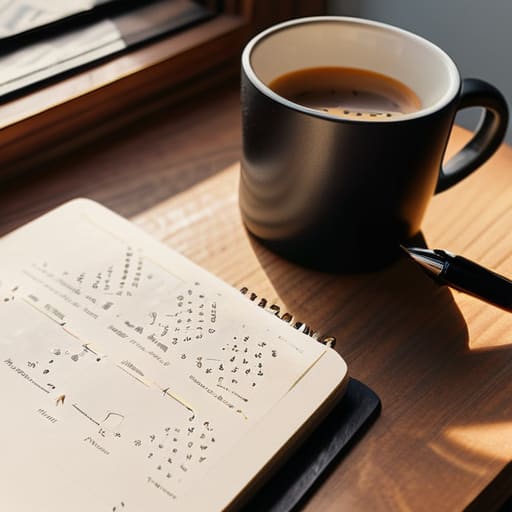
Look, I used to think the Eisenhower Matrix technique was just another one of those high-brow productivity hacks for professionals that required a color-coded desk setup and a PhD to understand. But honestly? It’s actually pretty simple once you strip away the pretension. It’s basically just a way to stop your brain from treating a random email about a brunch plan with the same urgency as a looming work deadline. You just grab your notebook and divide your tasks into four buckets: urgent and important, important but not urgent, urgent but not important, and the “whatever” pile.
The trick to making this work without losing your mind is to be brutally honest about that third bucket. We all have a habit of filling our days with “urgent” distractions—notifications, quick favors, or doomscrolling—that don’t actually move the needle on our goals. If you can learn to delegate or delete those small, noisy tasks, you’ll finally have the mental space for the stuff that actually matters. It’s not about doing more; it’s about doing what actually counts so you can clock out without that nagging sense of guilt.
Simple Daily Scheduling Methods for Your Real Life
Look, I’ve tried those hyper-detailed digital calendars that require a PhD to navigate, and honestly? They just make me want to nap. If you’re looking for actual daily scheduling methods that don’t feel like a second job, I usually lean toward “Time Blocking Lite.” Instead of scheduling every single minute, I just carve out three big chunks: deep work, admin/errands, and actual life. It gives me enough structure to keep from spiraling, but enough breathing room to actually live if a client sends a last-minute request or I find a vintage chair on the curb that needs immediate sanding.
Another thing that keeps me sane is the Pomodoro technique benefits—but with a twist. I don’t do the rigid 25-minute timer if I’m finally in a flow state; that’s just a recipe for frustration. Instead, I use it as a way of overcoming procrastination strategies when I’m feeling particularly stuck. I tell myself I’ll just work for twenty minutes, and usually, once the momentum starts, the “ugh” feeling disappears. It’s about working with your natural rhythm, not trying to turn yourself into a productivity robot.
5 Low-Stakes Ways to Reclaim Your Day
- Stop overcomplicating your to-do list. If you have twenty things on there, you’re never going to do them, and you’re just going to feel like a failure by noon. Pick three non-negotiables. Just three. If you get those done, the day is a win. Anything else is just a bonus.
- Audit your “doom scrolling” time. I used to think I didn’t have time to meal prep or clean my apartment, but then I realized I was spending two hours a night staring at strangers’ curated lives on TikTok. Set a timer for your social media breaks. It’s not about quitting the internet; it’s about not letting it steal your actual life.
- Use “time boxing” for the chores you hate. I can’t stand washing dishes or organizing my thrift finds, so I tell myself I’ll only do it for fifteen minutes. Usually, once the timer goes off, I’ve found my rhythm and keep going. If not? At least fifteen minutes of progress is better than zero.
- Batch your “brain tasks” to avoid the mental burnout. When I’m writing copy, I don’t stop to answer emails or check grocery prices. I group all my administrative stuff—paying bills, responding to texts, scheduling appointments—into one specific block of time so I’m not constantly switching gears and losing my focus.
- Learn to say “no” to things that don’t actually serve you. You don’t need to attend every social event or take on every extra project just to feel productive or liked. Protecting your time is a form of self-care, not a sign of being antisocial. If it feels like a drain on your energy, it’s okay to pass.
The Real Bottom Line
Ditch the “aesthetic” planners; if a system feels like a chore to maintain, it’s not a tool, it’s just more clutter in your life.
Focus on energy, not just hours—schedule your hardest tasks when you actually feel awake, not just because a calendar tells you to.
Give yourself permission to have “unproductive” days; a rigid schedule that breaks the moment life gets messy isn’t sustainable.
Finding Your Own Rhythm
Look, we’ve covered a lot—from using the Eisenhower Matrix to prioritize what actually matters, to finding scheduling methods that don’t feel like a second job. The main takeaway here isn’t that you need to become a productivity robot; it’s about finding a way to manage your energy so you aren’t constantly playing catch-up. Whether you’re using a digital calendar or just scribbling notes in a worn-out notebook like I do, the goal is to reduce the mental clutter that keeps you from actually living. You don’t need a $50 leather-bound planner to be organized; you just need a system that works for your specific, messy reality.
At the end of the day, please don’t let these tips become another source of guilt on your to-do list. If you have a day where your schedule falls apart and you end up doomscrolling instead of being “efficient,” just forgive yourself and try again tomorrow. Productivity should serve your life, not the other way around. Use these tools to carve out space for the things that actually make you feel whole—like a slow morning coffee or a walk through the park—rather than just checking boxes for the sake of it. Build a routine that feels sustainable, because a life lived in pursuit of “perfect” efficiency is a life you’ll be too tired to actually enjoy.
Frequently Asked Questions
How do I actually stick to a schedule when my day constantly gets derailed by unexpected stuff?
Look, I get it. Life is messy, and a rigid schedule is usually the first thing to go when a client sends a “quick” revision or your sink starts leaking. Stop trying to schedule every minute; that’s a recipe for burnout. Instead, build in “buffer blocks”—empty chunks of time specifically for the chaos. If nothing goes wrong, great, you can use it to rest. If things derail, you aren’t “failing,” you’re just using your buffer.
Is it worth investing in a digital planner, or am I better off just using a cheap notebook like I do?
Honestly? Save your money. I’ve tried the fancy digital planners with all the aesthetic stickers and hyperlinked tabs, and they just felt like another chore on my to-do list. If you already have a notebook, use it. There’s something about the tactile feel of pen on paper that actually helps me process my day. Unless you’re someone who literally lives on their iPad, a cheap notebook is more than enough to get things done.
How do I stop feeling guilty about taking breaks when I feel like I should be being "productive" every second?
Look, I get it. I used to sit at my desk feeling like every minute I wasn’t typing was a minute wasted. But here’s the blunt truth: burnout isn’t a badge of honor, it’s just bad math. If you don’t schedule rest, your body will eventually schedule it for you—usually at the worst possible time. Think of breaks as maintenance, not laziness. You wouldn’t expect your phone to run forever without a charge; don’t expect that of yourself.