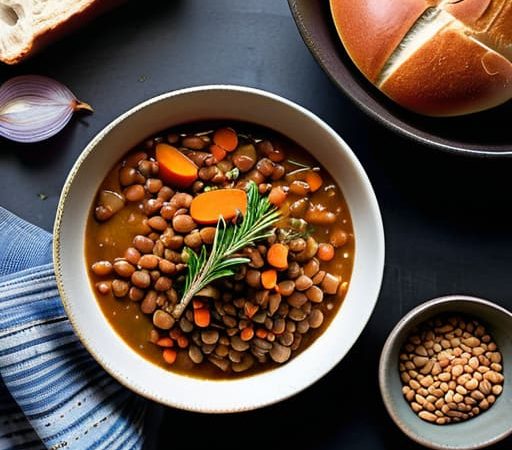
How to Cook Delicious Meals Without Following a Recipe
I used to think that if I didn’t have a printed card with precise grams and milliliters, I was basically just playing a dangerous game of kitchen roulette. I spent way too many nights staring at a half-empty fridge, feeling paralyzed because I didn’t have the “right” ingredients for a specific meal, convinced that I couldn’t actually learn how to cook without a recipe unless I owned a dozen specialized spices and a professional-grade scale. It’s such a lie—this idea that cooking is a high-stakes chemistry experiment that requires a massive grocery budget and a perfectly curated pantry to be successful.
I’m done with the performative perfection of food influencers who make a simple pasta seem like a three-hour production. In this post, I’m stripping all that away to show you how to actually use what you have to make something edible and delicious. I’ll share the basic frameworks I use to build meals from scratch, focusing on functional intuition rather than rigid rules. We aren’t aiming for a Michelin star here; we’re aiming for a meal that tastes good, costs almost nothing, and doesn’t leave you feeling stressed out.
Mastering Pantry Staple Cooking With What You Already Own
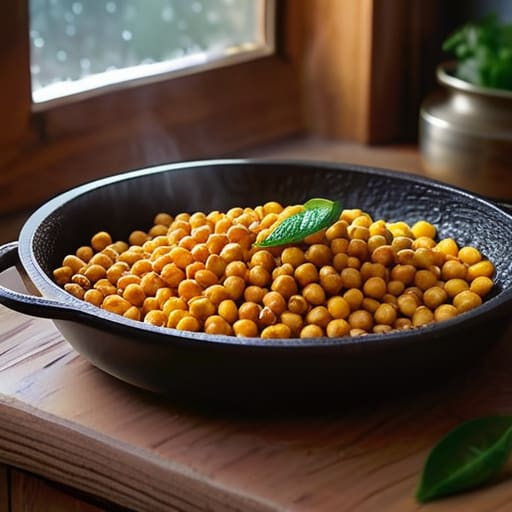
Look, I’m not saying you should just wing it every single night, but there is a certain magic in pantry staple cooking that most recipe blogs completely ignore. Instead of staring blankly at a grocery list because you’re missing one specific herb, I want you to start looking at what’s actually sitting in your cupboard. Do you have a can of chickpeas, some half-empty jars of spices, and a bag of rice? That’s not “nothing”—that’s a meal. The secret isn’t having a gourmet pantry; it’s understanding cooking ratios so you know that a bit of fat, an acid (like vinegar or lemon), and a starch will almost always come together.
Once you stop treating your kitchen like a high-stakes chemistry lab, you’ll start building real kitchen confidence. I’ve spent countless nights turning random leftovers into something edible just by leaning into seasoning by taste. If a sauce feels flat, it probably needs salt or acid, not a trip to the store. Stop waiting for the “perfect” ingredients to arrive and just start working with the chaos you already have.
Building Kitchen Confidence Building Through Improvised Meal Planning
The biggest hurdle isn’t actually the food; it’s the mental block that tells you you’re “doing it wrong” if you aren’t following a script. Real kitchen confidence building happens when you stop treating your stove like a laboratory and start treating it like a playground. Instead of staring blankly at a cookbook, try a little improvised meal planning by picking one base—like a grain, a tuber, or a protein—and just deciding what “vibe” you want. Are you feeling something spicy and bright, or something heavy and comforting? Once you pick a direction, the ingredients usually follow.
Once you’re actually at the stove, the real magic is in seasoning by taste as you go. This is where most people freeze up, but it’s actually just a simple game of trial and error. If a dish feels flat, it probably needs acid (lemon or vinegar) or salt. If it’s too intense, a bit of fat or sweetness can pull it back. Learning these basic flavor balancing principles is way more useful than memorizing a thousand specific recipes, because once you get it, you can make a decent meal out of literally anything.
5 ways to stop staring at your cookbook and actually start eating
- Learn the “flavor profile” cheat sheet. Instead of looking for a specific recipe, just remember the basics: you need something salty, something acidic (like lemon or vinegar), something fatty, and something with a bit of heat. If your pasta sauce tastes “flat,” it’s probably missing acid, not a secret ingredient.
- Treat your pantry like a puzzle, not a graveyard. I used to look at a can of chickpeas and a half-empty jar of salsa and think “nothing to eat here,” but that’s actually a shortcut to a quick shakshuka-style meal. Stop looking for what’s missing and start looking at how the things you do have can play together.
- Get comfortable with “The Big Three” textures. A meal feels like a chore when it’s all one texture (looking at you, mushy risotto). Always try to add a crunch—toasted breadcrumbs, raw radish slices, or even crushed nuts—to whatever you’re throwing in the pan. It makes even the cheapest meal feel intentional.
- Stop measuring everything like you’re in a chemistry lab. When I first started living on my own, I was terrified of “ruining” food by adding too much of something. Honestly? You can almost always fix a dish. Too much salt? Add a potato or more acid. Too bland? More salt. Just keep tasting as you go.
- Use “template” meals instead of rigid recipes. Instead of searching for “Lemon Garlic Chicken with Asparagus,” just think: Protein + Veggie + Grain + Sauce. Once you realize that almost any protein can be paired with almost any veggie if you have a decent dressing or vinaigrette, the mental load of “what’s for dinner” basically disappears.
The Real Cheat Sheet for Cooking Without a Plan
Stop treating your pantry like a collection of random boxes and start seeing it as a toolkit; once you realize that a can of chickpeas and some dried spices are basically a meal waiting to happen, you’ll stop panic-ordering takeout.
Ditch the rigid measurements and focus on the “vibe” of the dish—learn the balance of salt, fat, acid, and heat so you can adjust the flavor as you go instead of following a printed script.
Embrace the “good enough” mindset because a slightly improvised pasta dish is infinitely better for your wallet and your brain than stressing over a missing ingredient that a recipe insists you absolutely must have.
Stop Overthinking and Just Start Eating
At the end of the day, cooking without a recipe isn’t about some grand culinary transformation; it’s just about getting comfortable with the chaos of your own kitchen. We’ve talked about leaning into your pantry staples, trusting your gut when it comes to seasoning, and letting go of that rigid meal planning that usually just ends in a takeout order anyway. It’s about realizing that a random assortment of wilted spinach, a can of chickpeas, and some garlic isn’t a “failure to plan”—it’s a potential meal. Once you stop treating every dinner like a high-stakes exam, you’ll realize that the most sustainable way to eat is the way that actually works for your real, messy, busy life.
Please, stop waiting for the perfect moment or the “right” ingredients to arrive before you decide to nourish yourself. You don’t need a curated aesthetic or a kitchen full of expensive gadgets to make something that tastes good and keeps you full. Cooking should be a tool that serves you, not another chore on your endless to-do list that requires perfection. Just grab a pan, see what’s staring at you from the fridge, and trust your intuition. You’ve got this, and honestly? It’s going to be much more fun than you think.
Frequently Asked Questions
What if I accidentally add too much of a spice or seasoning and it ruins the whole dish?
Look, I’ve been there—usually while trying to make a quick stir-fry after a long day at the garden. Don’t panic and don’t toss it. If it’s too salty, hit it with something acidic like lemon juice or a splash of vinegar to balance it out. If a spice is overpowering, try adding more bulk—more veggies, more grains, or even a bit of cream or coconut milk. It’s about dilution, not perfection.
How do I know if a meat or vegetable is actually cooked through if I'm not following specific timing instructions?
Honestly, stop obsessing over the timer; it’s a liar. For veggies, just use your fork or a knife. If it slides in with zero resistance or feels mushy, it’s done. For meat, trust your hands. Give it a poke—if it feels soft and squishy like your cheek, it’s under; if it’s firm like your knuckle, it’s ready. It takes a little practice, but your senses are way more reliable than a kitchen clock.
Are there certain flavor profiles or ingredient combinations that are "safe" to experiment with when I'm starting out?
Honestly, don’t overthink it. Think of flavor in “vibes” rather than math. If you want a win, go for the classics: garlic, lemon, and olive oil is basically foolproof for anything. Or, if you’re feeling bolder, lean into the “salty, acid, heat” rule. Throw some lime juice and red pepper flakes on literally any roasted veggie or grain bowl. It’s hard to mess that up, and it tastes intentional, not accidental.