Smart Strategies to Reduce Your Weekly Grocery Bill
I am so tired of seeing those “aesthetic” grocery haul videos where people spend $300 on organic dragon fruit and glass-bottled juices just to prove they have their life together. It’s performative, it’s exhausting, and frankly, it’s a lie. If you’re looking for a magical way to shop that involves expensive subscription boxes or a complete lifestyle overhaul, you’re in the wrong place. I grew up in a tiny apartment where we had to make every single cent stretch, and I learned early on that how to save on groceries isn’t about buying specialized “budget” brands; it’s about outsmarting the system with what you already have.
I’m not here to give you a list of impossible dietary restrictions or tell you to live on nothing but lentils. Instead, I’m going to share the actual, unglamorous tactics I use as a freelance writer to keep my pantry full without draining my bank account. We’re going to talk about real-world strategies—like inventory management and seasonal shopping—that actually work for people with busy, unpredictable lives. No fluff, no expensive hacks, just functional ways to eat well on a budget that actually sticks.
Mastering Meal Planning for Beginners Without the Stress
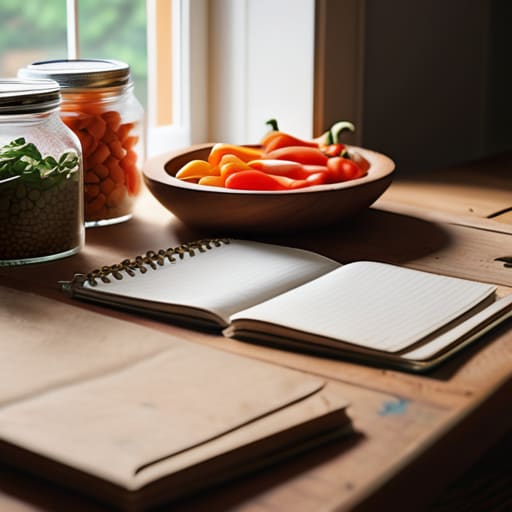
Look, I used to think meal planning meant spending my entire Sunday afternoon portioning out aesthetic Tupperware containers of quinoa and kale. It was exhausting, and honestly? I ended up ordering takeout by Tuesday because I was too burnt out to follow my own “plan.” Real meal planning for beginners isn’t about being a Pinterest chef; it’s just about looking at what you already have before you head to the store. I keep a running list in my notebook of the staples I actually eat—beans, rice, frozen veggies—so I’m not wandering the aisles aimlessly.
The secret to making this actually stick is focusing on versatility over variety. Instead of trying to cook five different complex recipes, pick two or three base ingredients you can repurpose. If I roast a massive tray of sweet potatoes and chickpeas on Monday, that becomes a grain bowl on Tuesday and a hearty salad on Wednesday. This is one of the easiest ways to focus on reducing food waste at home while keeping your grocery bill predictable. It’s not about being perfect; it’s just about being intentional with what you buy.
Store Brand vs Name Brand Choosing Function Over Hype
Look, I get it. There’s a certain comfort in grabbing the bright, shiny box with the famous logo. It feels safe, like you’re paying for a guarantee of quality. But after years of living in a tiny apartment where every cent counts, I’ve realized that most of that extra cost is just paying for a marketing team’s salary. When you’re looking at the store brand vs name brand showdown, I want you to ask yourself one question: Does this actually taste different? For things like salt, sugar, flour, or canned beans, the answer is almost always no.
I’ve started doing a quick mental audit while I shop. If it’s a staple—something that’s just a building block for a recipe—I go for the generic version every single time. It’s one of the easiest ways to slash your total at the register without feeling like you’re sacrificing your lifestyle. Save your “splurge” money for the things that actually matter, like a really good coffee bean or a specific cheese that makes a meal feel special. It’s not about being cheap; it’s about being intentional with your spending.
Five ways to stop bleeding money at the checkout line
- Audit your pantry before you even touch your phone. I know it’s tempting to just scroll through a delivery app, but half the time we’re about to buy a third jar of cumin when there’s a perfectly good one hiding behind the lentils. Look at what you actually have so you aren’t buying duplicates.
- Learn the art of the “unit price” math. Don’t let those big, flashy “Sale!” signs fool you. Sometimes the massive bulk bag is actually more expensive per ounce than the smaller one. Check the tiny numbers on the shelf tag; that’s where the real truth lives.
- Shop your seasonal produce, not your cravings. If you’re hunting for berries in the middle of January, you’re going to pay a premium for something that probably tastes like cardboard anyway. Stick to what’s actually in season—it’s cheaper, fresher, and better for the planet.
- Stop treating the grocery store like a social outing. If I go in there hungry or without a list, I’m doomed. I end up grabbing expensive snacks and “aesthetic” ingredients I’ll never actually cook. Go in with a mission, stick to your list, and get out.
- Embrace the “scrappy” mindset with leftovers. Instead of seeing yesterday’s roasted veggies as “old food,” see them as the base for tomorrow’s grain bowl or omelet. Using up what you already paid for is the easiest way to lower your weekly average.
The Bottom Line: Keeping It Real in the Grocery Aisle
Stop trying to follow those Pinterest-perfect meal plans that require twenty different niche ingredients; just plan around what’s actually on sale and what you already have in your pantry.
Don’t let branding fool you—most of the time, the generic version of a staple like beans, rice, or oats is identical to the expensive one, so save your money for things that actually matter.
Treat your grocery list like a living document, not a rigid rulebook, so you can stay flexible when prices jump or you realize you’re actually not in the mood for what you planned.
Cutting Through the Noise
At the end of the day, saving money on groceries isn’t about some complicated spreadsheet or buying a dozen matching glass containers just to look like you have your life together. It’s really just about a few small, intentional shifts: planning your meals based on what you actually eat, realizing that the store brand version of beans or pasta is exactly the same as the expensive one, and actually looking at what’s already in your pantry before you head to the checkout. If you can master the art of using what you have and choosing function over hype, you’ve already won half the battle.
Don’t feel like you have to overhaul your entire kitchen overnight. If all you do this week is check your pantry before shopping or swap one name-brand item for a generic one, that is a massive win. We’re not aiming for some curated, Pinterest-perfect pantry; we’re aiming for a life that feels sustainable and doesn’t leave your bank account feeling empty every Sunday night. Just take it one meal at a time, be kind to yourself when things get messy, and remember that real progress is found in the small, unglamorous habits that actually stick.
Frequently Asked Questions
How do I actually meal plan when my schedule is unpredictable and I end up ordering takeout anyway?
Look, I get it. Some weeks my freelance schedule is a mess and my “intentional” meal prep ends up rotting in the fridge. If your life is unpredictable, stop trying to plan seven days of rigid meals. Instead, plan “components.” Prep a big batch of grains, some roasted veggies, and a protein. When you have twenty minutes between calls, you can throw them together. If you do order takeout, just try to pick the one thing that isn’t a total salt bomb.
What are some cheap, high-protein staples I can keep in my pantry so I'm not just eating pasta every night?
Look, I get it. I’ve spent many nights staring at a box of spaghetti, feeling like my nutrition was tanking. To break the cycle without breaking the bank, lean on dried lentils and chickpeas—they’re dirt cheap and much more filling than pasta. Keep canned tuna or sardines on hand for quick, no-cook protein, and don’t sleep on peanut butter or hemp seeds. These are my go-to’s for adding substance to whatever I’m cooking.
Is it actually worth the extra time to meal prep on Sundays, or am I just setting myself up for burnout?
Honestly? If you’re trying to prep five elaborate, Pinterest-perfect meals every Sunday, you’re definitely setting yourself up for burnout. I used to do that and ended up hating my kitchen by Tuesday. Instead, try “component prepping.” Just roast a big tray of veggies, cook a batch of grains, and prep one protein. It takes twenty minutes, not three hours, and it gives you enough building blocks to make quick meals all week without the mental load.