No Equipment Needed: a Simple Living Room Workout for Beginners
I used to stare at those “aesthetic” fitness influencers on my feed—the ones with the matching sage green sets and the $2,000 home gym setups—and feel like I was failing before I even started. It’s total nonsense that you need a specialized squat rack or a subscription to some high-production app just to get your heart rate up. Honestly, most of that gear is just expensive clutter that ends up gathering dust in a corner. If you’re looking for a home workout for beginners that actually fits into a real, messy life, you don’t need a lifestyle overhaul; you just need to stop letting the marketing hype convince you that you’re not ready.
I’m not here to sell you a dream or a complicated six-week transformation program that requires a nutritionist on speed dial. Instead, I’m going to show you how to use what you already have—think heavy books, sturdy chairs, or just the floor space between your bed and your desk—to build a routine that actually sticks. We’re focusing on functional movement that makes you feel strong, not just tired, without breaking your budget or your spirit.
Mastering Bodyweight Exercises for Beginners Without the Fancy Gear
Look, I used to think that if I didn’t have a set of matching pastel dumbbells or a subscription to a high-end fitness app, I wasn’t actually “working out.” That was a lie fueled by targeted ads. In reality, your own body is the only piece of equipment you actually need to see progress. When you focus on bodyweight exercises for beginners, you’re teaching your muscles how to move through space and stabilize themselves, which is way more functional for real life than just moving a weight from point A to point B.
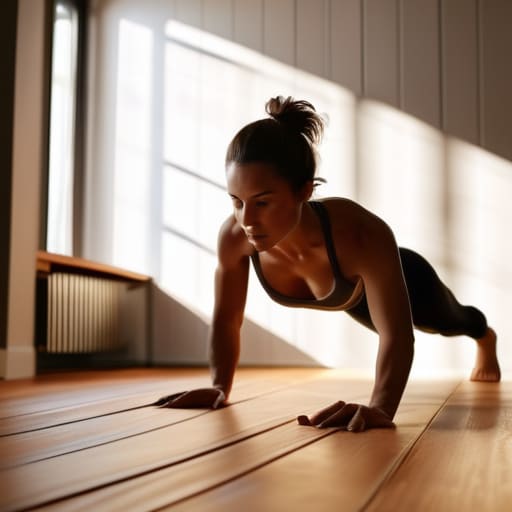
Start with the basics: squats, push-ups (knees are totally fine, don’t let anyone tell you otherwise), and lunges. If you want to level up your no equipment strength training without spending a dime, look around your apartment. A sturdy chair is basically a built-in bench for tricep dips, and a heavy backpack filled with old textbooks can act as a makeshift weight once the basic movements feel too easy. It’s not about the aesthetic; it’s about the effort.
Building a Full Body Home Workout Routine That Actually Sticks
The biggest mistake I see people make is trying to go from zero to sixty in one week. You see some intense 45-minute HIIT video and think, “Yeah, I can do that,” only to end up too sore to walk by Tuesday and quitting by Friday. That’s not a routine; that’s a recipe for burnout. Instead, I want you to focus on a full body home workout routine that prioritizes consistency over intensity. Start with just three days a week. Pick a few moves you actually enjoy—maybe some squats, some push-ups against the kitchen counter, and some lunges—and just do them.
The goal isn’t to look like a fitness influencer by next month; it’s to make movement a non-negotiable part of your day, like brushing your teeth. I like to keep a simple home workout schedule for beginners scribbled in my notebook so I don’t have to “decide” to work out—I just follow the plan. If you’re feeling low energy, don’t skip it entirely. Just swap the intensity for some low impact home exercises like stretching or slow-tempo movements. As long as you show up for yourself, you’re winning.
5 Real-World Ways to Keep Your Routine from Falling Apart
- Stop waiting for the “perfect” setup. You don’t need a dedicated yoga studio or a set of $50 dumbbells to see progress. If you have a patch of floor and a sturdy chair, you have everything you need. Don’t let the lack of equipment become an excuse to stay on the couch.
- Use what you already own for resistance. I’ve used heavy textbooks and even gallon water jugs for extra weight when my bodyweight exercises started feeling too easy. It’s not glamorous, but it works, and it costs exactly zero dollars.
- Aim for “consistency over intensity.” I see so many people try to do a grueling hour-long workout every single day, burn out by Wednesday, and then quit for a month. Just give me fifteen minutes of intentional movement. It’s much easier to stick to something that doesn’t feel like a punishment.
- Schedule it like a non-negotiable meeting. Since I work freelance, my schedule can get messy. I started treating my workout time like a client deadline—it’s in my notebook, it’s set in stone, and I don’t move it just because I “don’t feel like it.”
- Forgive yourself when you slip up. Some days, life just happens—maybe you stayed late at the garden or you’re just plain exhausted. Don’t let one missed day turn into a missed week. Just pick back up where you left off the next morning. No guilt allowed.
The Real Way to Keep This Going
Stop waiting for the “perfect” moment or the right gear; if you have enough floor space to roll out a towel, you have enough to start.
Consistency beats intensity every single time—I’d much rather see you do ten minutes of movement most days than one soul-crushing hour once a week that leaves you too sore to function.
Listen to your body, not an influencer’s video; if a movement feels wrong or hurts in a bad way, pivot immediately instead of trying to power through it just to check a box.
Stop Waiting for the "Perfect" Time
At the end of the day, getting started doesn’t require a high-end subscription or a living room full of heavy kettlebells. We’ve covered how to master the basics with just your own body weight and how to structure a routine that fits into your actual, messy life rather than some idealized version of it. Remember, the goal isn’t to look like a fitness influencer by next Tuesday; it’s about building a foundation that supports your health without draining your bank account or your sanity. Focus on the functional movements that make you feel strong, and don’t sweat the small stuff if you miss a day here or there.
If I’ve learned anything from years of trying to balance a hectic freelance schedule with my own well-being, it’s that consistency beats intensity every single time. You don’t need to punish yourself with a grueling hour-long session to count as progress. Even a fifteen-minute circuit in your pajamas is a win. Stop waiting for the perfect gear to arrive or for your schedule to clear up, because that day isn’t coming. Just grab some water, clear a tiny bit of space on your floor, and start exactly where you are. You’ve already got everything you need to begin.
Frequently Asked Questions
I don't have any equipment at all—can I actually see results just using my own body weight?
Honestly? Yes. 100%. I used to think I needed those heavy dumbbells or a fancy Pilates reformer to see any change, but that’s just marketing fluff. Your own body is basically a built-in resistance tool. If you focus on slowing down your movements and really feeling the tension in your muscles, you’ll see progress. It’s not about how much weight you’re lifting; it’s about consistency and actually challenging your limits.
How do I keep myself from quitting after the first week when the initial motivation wears off?
Honestly? Stop waiting for “motivation” to show up. Motivation is a flakey friend who disappears the second you’re tired or stressed. Instead, rely on systems. Pick a specific time—even if it’s just fifteen minutes—and treat it like a non-negotiable appointment. Don’t aim for a “perfect” workout; aim for a “showing up” workout. On the days you feel like garbage, just do five minutes. Keeping the habit alive is way more important than intensity.
I live in a tiny apartment with thin walls; how can I work out without being a total nuisance to my neighbors?
The “apartment dweller struggle” is so real. I’ve spent many mornings trying to do mountain climbers only to hear my neighbor through the wall sighing in frustration. Honestly? Swap the jumping jacks for low-impact moves. Focus on slow, controlled strength training—think lunges, planks, and squats. If you use a yoga mat, it helps dampen the sound, too. You don’t need to stomp to get a good burn; precision beats noise every time.