Building a Grocery Budget That Actually Holds Up
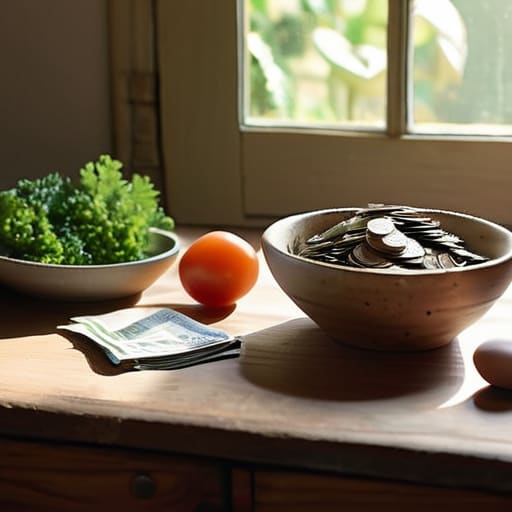
I’m so tired of seeing those “aesthetic” grocery hauls on my feed—you know the ones, where someone spends $400 on organic dragon fruit and artisanal sourdough just to look organized. Honestly, if you’re trying to figure out how to make a grocery budget that actually works in the real world, those polished videos are completely useless. They make it feel like you need a massive paycheck and a pantry full of glass jars just to eat well. I spent years growing up in a tiny apartment, learning the hard way that real budgeting isn’t about buying expensive superfoods; it’s about making sure you don’t end up staring at a half-empty fridge on a Tuesday night wondering where your money went.
I’m not here to give you a complicated spreadsheet that you’ll abandon by week two. Instead, I want to share the low-maintenance, actually sustainable methods I use to keep my food costs down without feeling like I’m constantly depriving myself. We’re going to focus on practical shifts—like shopping your own pantry first and mastering the art of the “flexible list”—so you can stop stressing at the checkout line and start feeling in control of your cash.
Mastering Monthly Food Expense Tracking Without the Headache

Look, I used to be the person who thought “tracking expenses” meant downloading a fancy, subscription-based app that sent me aggressive notifications every time I bought a latte. It didn’t work. I’d get overwhelmed by the data and just… stop doing it. If you want to actually succeed at monthly food expense tracking, you have to make it low-friction. I personally just use a tiny dedicated section in my notebook or a simple note on my phone. At the end of each week, I just jot down what I actually spent. No complex categories, no color-coded pie charts—just the raw numbers.
The real magic happens when you stop looking at the total and start looking at the patterns. When I started noticing that I was spending nearly forty percent of my budget on “emergency” takeout because I hadn’t planned anything, everything changed. Once you spot those leaks, you can pivot toward budget-friendly meal prep without it feeling like a chore. It’s not about deprivation; it’s about seeing exactly where your hard-earned money is disappearing so you can decide if that’s actually where you want it to go.
Smart Grocery Shopping Tips for Real Life
Look, I’ve spent way too many afternoons wandering aimlessly through the snack aisle, staring at a cart full of “maybe” items only to regret it when I see my bank statement. The secret isn’t some magic app; it’s about grocery list organization that actually reflects what you need. Before you even leave the house, check your pantry. I always do a quick “audit” of what’s hiding in the back of my cupboard so I don’t accidentally buy a third jar of cumin. If you go in with a plan, you’re much less likely to succumb to those impulse buys that feel good for five minutes but wreck your weekly spending.
Once you’re actually in the store, try to stick to the perimeter. That’s where the real food lives, and it’s usually way cheaper than the processed stuff in the middle aisles. I’m also a huge advocate for reducing food waste by shopping seasonally. If a certain veggie is priced like it’s made of gold, just skip it. Focus on versatile staples that work for multiple meals; it makes budget-friendly meal prep so much easier when you aren’t buying niche ingredients you’ll only use once.
5 Ways to Stop Your Grocery Bill From Spiraling
- Shop your own pantry before you head out. Seriously, most of us have a “forgotten” bag of lentils or a half-box of pasta hiding in the back of a cupboard. I make it a rule to check what I already own first so I’m only buying the missing pieces, not duplicating things I already have.
- Embrace the “ugly” produce and generic brands. I used to think I needed the organic, name-brand stuff to feel like I was eating well, but the truth is that the store-brand beans and the slightly bruised apples taste exactly the same once they’re in a meal. It’s an easy win for your wallet.
- Build your meals around what’s actually on sale. Instead of deciding I want tacos and then buying expensive steak, I check the weekly circular first. If chicken thighs are on sale, we’re having chicken. It sounds less “aesthetic,” but it keeps my bank account much happier.
- Stop treating the grocery store like a scavenger hunt for snacks. If you go in hungry or without a plan, you’re going to end up with a cart full of stuff you didn’t need and won’t even eat by Thursday. Stick to a loose list—not a rigid one, just enough to keep you on track.
- Learn the art of the “repurposed” ingredient. If you buy a big bag of spinach, don’t just expect to eat it in salads for a week. Use it in a smoothie, throw it into a pasta sauce, or sauté it with eggs. Using everything you buy means less money literally rotting in your crisper drawer.
The Bottom Line: Making it Work for You
Stop aiming for a perfect, airtight budget and start aiming for one that actually survives a Tuesday. It’s okay if you go over by ten bucks sometimes; just get back on track the next trip.
Shop your own pantry before you hit the store. Most of us are sitting on a goldmine of half-used grains and canned goods that could easily form the base of a meal if we just looked a little closer.
Prioritize versatility over novelty. Buying a bag of versatile greens or a bulk pack of versatile protein is way better for your wallet (and your sanity) than buying niche ingredients for a recipe you’ll only make once.
Cutting Through the Noise
At the end of the day, budgeting isn’t about punishing yourself or living on nothing but plain rice and tap water. It’s really just about taking the guesswork out of your week so you aren’t staring at your bank account in a panic every Tuesday. We’ve talked about tracking what you actually spend, shopping with a plan instead of just wandering the aisles, and making sure your list reflects what you’ll actually eat. It’s a lot easier to stay on track when you stop trying to follow those “aesthetic” meal prep videos and start focusing on what actually works for your specific life and budget.
Please, don’t feel like you have to get this perfect right out of the gate. Some weeks you’ll stick to the plan, and other weeks you’ll end up ordering takeout because you’re exhausted—and honestly? That is completely fine. The goal isn’t to be a robot; it’s to build a rhythm that feels sustainable and gives you a little more breathing room. You don’t need a fancy app or a massive paycheck to feel in control of your money. Just start where you are, use what you’ve got, and be kind to yourself while you figure it out.
Frequently Asked Questions
How do I handle those random, expensive trips to the store when I realize I forgot one crucial ingredient for dinner?
Honestly, those “emergency” runs are the ultimate budget killers. I call them the “one-ingredient trap.” To stop them, I’ve started doing a quick fridge audit before I even think about cooking. If you do end up at the store, grab a list and stick to it like glue. Don’t wander the aisles “just to see.” Buy exactly what you need, get out, and get home. It’s about discipline, not perfection.
Is it actually worth trying to meal prep every single thing, or am I just setting myself up to get bored and waste food?
Honestly? No. If you try to prep every single meal on a Sunday, you’re going to end up staring at a container of soggy broccoli by Wednesday and feeling like a failure. That’s not sustainability; that’s a recipe for burnout. I prefer “component prepping”—roast a big batch of veggies, cook some grains, and prep a protein. It gives you the flexibility to mix and match so you actually enjoy what you’re eating.
What do I do if my budget is so tight that I can't even afford the "healthy" options I'm trying to eat?
Look, I’ve been there. When you’re staring at a $12 bag of organic kale versus a $2 bag of frozen spinach, the choice feels impossible. Stop chasing the “aesthetic” of health. Real nutrition isn’t about expensive superfoods; it’s about fuel. Lean into the basics: dried lentils, oats, eggs, and frozen veggies. They’re cheap, they last forever, and they actually work. Forget the organic labels for a second—just focus on getting real, affordable nutrients on your plate.