How to Shop More Intelligently to Keep More Cash
I was staring at my bank statement last Tuesday, feeling that familiar, sinking pit in my stomach, and realized I’d spent forty bucks on “aesthetic” kitchen organizers that I don’t even have room for. We’ve been sold this lie that how to shop smarter means buying a whole new set of matching glass jars or subscribing to some high-end meal kit service. It’s exhausting. Honestly, most of the “budgeting hacks” you see on TikTok are just more consumerism disguised as productivity, and they usually require you to spend money just to look like you’re saving it.
I’m over the performative minimalism and the expensive gadgets that end up gathering dust in a cramped apartment. In this post, I’m sharing the actual ways I manage my money—the kind that involve thrift stores, meal prepping from scratch, and knowing when to say no to a “sale.” I’m going to show you how to build a lifestyle that feels intentional and sustainable without needing a massive paycheck. Let’s cut through the noise and focus on what actually works for real life.
Mastering Budget Friendly Grocery Shopping With What You Have
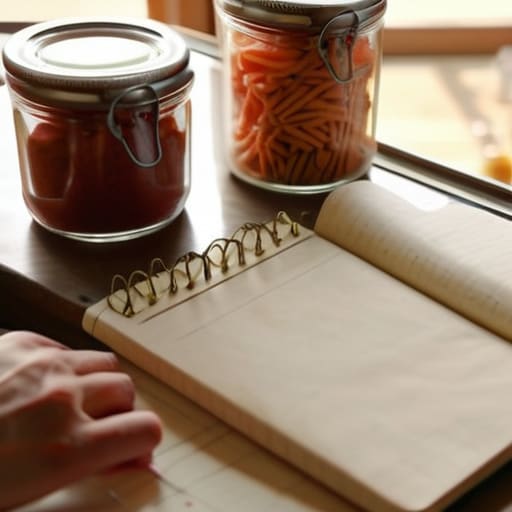
Before you even step foot in a store, you need to stage an intervention with your own pantry. Most of us walk into the supermarket thinking we’re out of food, when really, we just have a disorganized shelf. I’ve learned the hard way that a quick “pantry audit” is the ultimate secret to budget-friendly grocery shopping. I grab my little notebook, jot down what’s hiding in the back of the cupboard, and build my meal plan around what I already own rather than starting from scratch every single week.
Once you actually arrive at the store, the real battle begins: the siren call of the middle aisles. To stay on track, I treat my shopping trip like a mission. I stick to a strict list to focus on avoiding impulse buys—those “aesthetic” snacks or single-use kitchen gadgets that look cute but just eat up your paycheck. If you aren’t sure if something is actually a deal, check the shelf tag for the unit price. It’s a total game-changer for seeing if that “bulk” option is actually saving you money or just taking up more space in your cramped kitchen.
Avoiding Impulse Buys to Keep Your Space Meaningful
We’ve all been there: you walk into a store for one specific thing and somehow leave with a decorative candle, a new succulent, and a gadget you’ll never use. It’s easy to fall into the trap of thinking these little “treats” are part of a lifestyle, but in reality, they just end up cluttering your small apartment and draining your bank account. For me, avoiding impulse buys isn’t about deprivation; it’s about protecting my space. I’ve learned that if I don’t have a specific purpose for an item, it doesn’t deserve a spot on my shelves or in my budget.
Before you tap that “add to cart” button or grab something off a random endcap, try the twenty-four-hour rule. If you still feel like that item is a necessity tomorrow, then maybe consider it. In the meantime, I find that leaning into comparison shopping techniques helps keep my head clear. Instead of getting swept up in the dopamine hit of a new purchase, I focus on the value of what I already own. It’s much more satisfying to invest in quality pieces that actually serve a function than to constantly chase the next shiny thing.
My Low-Key Rules for Not Getting Ripped Off
- Shop your own pantry before you hit the store. I used to wander the aisles feeling like I had “nothing to eat,” only to realize I had three cans of chickpeas and a bag of rice sitting in the back of my cupboard. If you know what you already own, you aren’t buying duplicates, and you’re actually using the stuff you paid for.
- Stop falling for “bulk” traps. Just because a massive container of something is cheaper per ounce doesn’t mean it’s a win if half of it goes bad before you can finish it. Unless it’s something you use daily—like coffee or oats—stick to smaller portions to avoid wasting money on literal trash.
- Stick to the perimeter of the grocery store. I know, it sounds like a cliché, but the middle aisles are where the high-markup, highly processed stuff lives. Most of the real, affordable fuel—produce, proteins, basic grains—is along the edges. It keeps your cart functional and your budget intact.
- Use the “One-In, One-Out” rule for non-food items. If you’re browsing online and see a cute new home decor piece, ask yourself: what am I getting rid of to make room for this? If the answer is “nothing,” then you don’t actually have space for it, and you’re just buying clutter.
- Check the unit price, not the big number. That flashy “Sale!” tag can be a total lie. I always grab my notebook to check the actual price per ounce or per gram. Sometimes the “name brand” on sale is still more expensive than the generic version sitting right next to it.
The Bottom Line: Keeping It Real and Intentional
Stop trying to shop like an influencer; instead, audit what’s already in your pantry and your closet before you even look at a price tag.
Treat your budget like a boundary, not a punishment—saying no to a random impulse buy is just saying yes to your future peace of mind.
Focus on quality over quantity, because one thing that actually works for your life is worth way more than ten things that just look good in a photo.
The Bottom Line
At the end of the day, shopping smarter isn’t about some complex mathematical formula or mastering a secret lifestyle hack you saw on TikTok. It’s about reclaiming your agency. It’s about looking at that half-empty pantry before you head to the store, checking your bank account without flinching, and realizing that you don’t need more stuff to have a life that feels full. By focusing on what you already have and being intentional about what actually earns a spot in your home, you’re doing more than just saving a few bucks—you’re protecting your peace and your space.
I know it can feel overwhelming to push back against a culture that constantly tells us we’re one purchase away from being “fixed” or “aesthetic.” But I promise you, that feeling is a lie. Real stability comes from the small, quiet wins: the grocery list that actually works, the impulse buy you walked away from, and the clutter-free corner of your room that finally feels like yours. Stop trying to buy a better version of yourself and just start living with what you’ve got. You’re already enough, and your bank account will definitely thank you for it.
Frequently Asked Questions
How do I actually stick to a grocery list when I'm tired and hungry at the store?
Look, I’ve been there. You’re staring at the snack aisle after a long shift, and suddenly that $9 bag of artisanal pretzels looks like a necessity. My rule? Never shop on an empty stomach—it’s a trap. If you’re already exhausted, skip the trip. Order a grocery delivery or just wait until tomorrow. If you absolutely have to go, stick to the perimeter of the store and keep your eyes on the list. Don’t let your hunger make your financial decisions for you.
Is it really worth the time to hunt for secondhand items, or am I just wasting energy?
Honestly? It’s worth it, but only if you change your mindset. If you’re treating it like a high-stakes scavenger hunt, you’ll burn out. But if you treat it like a low-pressure stroll, it’s a game changer. I don’t hunt; I just keep my eyes open. You’ll find pieces with actual soul—and way better durability—than anything in a flat-pack box. It’s not about the “thrill of the find,” it’s about intentionality and saving money.
How can I tell the difference between a genuine "need" and just a temporary craving for something new?
Honestly? I use a “72-hour rule” in my little notebook. When that urge hits, I write the item down with the date and the price, then I walk away. If I’m still thinking about it three days later—and it actually serves a function in my life—then maybe it’s a need. Usually, though? The excitement fizzles out by day two, and I realize I was just bored or scrolling too much.