A Step-by-step Guide to Weekly Meal Prepping
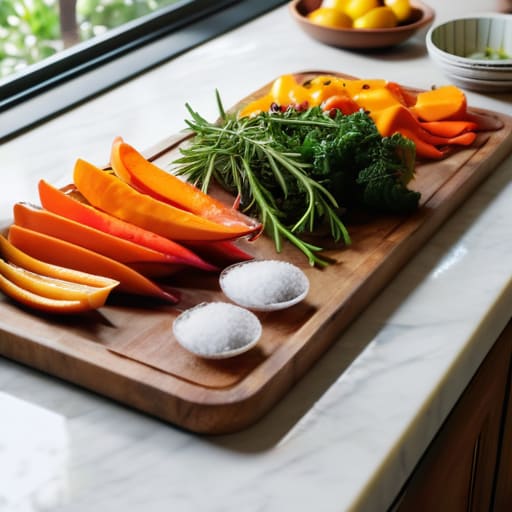
I’m so tired of seeing those aesthetic “meal prep” videos where someone spends three hours color-coding glass containers filled with perfectly cubed quinoa and organic microgreens. Honestly, it looks exhausting, and if I’m being real, it’s a total lie for anyone living a normal life. Most of us aren’t trying to curate a Pinterest board; we’re just trying to avoid spending twenty bucks on a mediocre takeout salad because we forgot to eat. I used to think learning how to meal prep meant turning my tiny kitchen into a high-end laboratory, but I quickly learned that if the system is too complicated, it’s just another chore on an already overflowing to-do list.
I’m not here to sell you on expensive organizers or a ten-step ritual that requires a degree in culinary arts. Instead, I want to show you how to build a routine that actually works with your budget and your actual energy levels. We’re going to focus on functional, low-effort strategies—the kind that use what you already have in your pantry and take minimal time to execute. My goal is to help you get through the week without the stress of constant decision-making, keeping things simple, affordable, and sustainable.
Smart Batch Cooking Techniques That Save Your Sanity
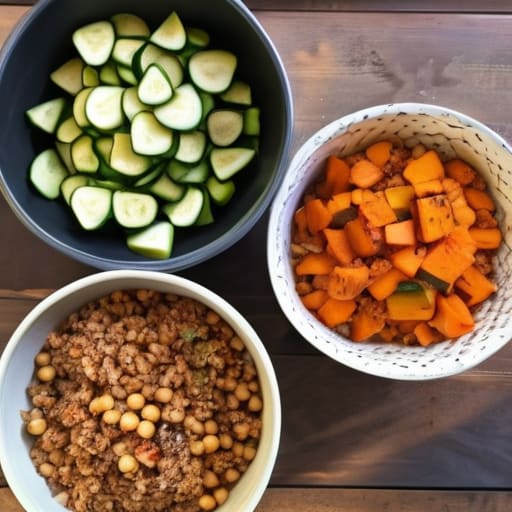
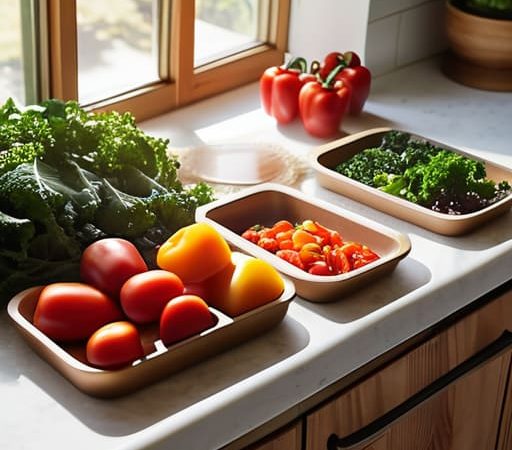
Instead of trying to cook five different recipes on a Sunday—which is a one-way ticket to burnout—I’ve learned to lean into batch cooking techniques that actually make sense. My go-to move is the “component method.” I’ll roast two huge trays of seasonal veggies, boil a big pot of grains like quinoa or farro, and cook up a protein like seasoned chickpeas or shredded chicken. By prepping these individual building blocks, you aren’t stuck eating the exact same Tupperware meal every single day. You can mix and match them into bowls, wraps, or salads throughout the week, which keeps things from feeling repetitive and boring.
When it comes to the actual logistics, don’t go overboard buying a million specialized gadgets. I’ve found that investing in a few decent meal prep containers for storage is plenty; just make sure they’re airtight so your greens don’t turn into sad, wilted mush by Wednesday. I also swear by freezing portions of sauces or stews. If you make a massive pot of lentil soup, freeze half in individual servings. It’s basically an insurance policy for those nights when you’re too exhausted to even think about cooking.
Budget Friendly Meal Prep Without the Grocery Store Guilt
Let’s be real: nothing kills my motivation faster than standing in the middle of a grocery aisle, staring at a $14 jar of organic almond butter, and feeling like I’ve already failed at being an adult. We’ve been sold this idea that eating well has to look like a curated Pinterest board filled with expensive superfoods, but that’s just not sustainable for most of us. For me, budget friendly meal prep is less about buying the “right” ingredients and more about being strategic with what’s actually on sale. I’ve learned to stop chasing trends and start leaning into staples—think dried lentils, seasonal veggies, and bulk grains.
Instead of aiming for a perfectly balanced aesthetic every single day, I focus on versatile components. If I grab a big bag of sweet potatoes and some black beans because they’re cheap, I’m not just making one meal; I’m creating a foundation for three different bowls throughout the week. You don’t need a massive collection of matching glass meal prep containers for storage to make this work; honestly, even some old Tupperware you already have in the back of the cupboard will do. The goal isn’t to spend a fortune, it’s to stop the “emergency” takeout orders that drain your bank account.
5 Realistic Ways to Prep Without Losing Your Mind
- Stop trying to cook five different recipes on a Sunday. It’s a trap. Instead, just prep “building blocks”—think a big pot of grains, two roasted veggies, and a protein. You can mix and match them throughout the week so you don’t feel like you’re eating the exact same sad leftovers every single day.
- Invest in a few decent, reusable glass containers if you can, but don’t go overboard. I learned the hard way that having a drawer full of mismatched plastic lids is just more mental clutter. Use what you have, and if you need to buy something, go second-hand or thrift it.
- Embrace the “component” method for your veggies. Don’t chop everything into tiny pieces immediately; some things, like peppers or cucumbers, are actually better if you just wash them and chop them right before you eat. It keeps things from getting that weird, soggy texture by Wednesday.
- Keep a “emergency” pantry staple list. There will be nights when even your meal prep fails you. Having a box of pasta, a jar of decent sauce, and some frozen peas on hand means you won’t end up spending $30 on DoorDash just because you’re too tired to think.
- Prep your snacks, not just your meals. We always talk about lunch, but it’s the mid-afternoon hunger that usually sends us spiraling into the vending machine or the expensive snack aisle. Portion out some nuts or cut up some carrots while you’re already in the kitchen—it makes the healthy choice the easy one.
The Bottom Line: Making It Work for You
Stop trying to match an aesthetic. If you don’t have matching glass containers, use the mismatched Tupperware you already own; the goal is having food ready, not a Pinterest-worthy fridge.
Prep components, not just meals. Instead of cooking five identical bowls of something, roast a big batch of veggies and a protein so you can mix and match flavors throughout the week without getting bored.
Respect your energy levels. If you’re too exhausted on Sunday to cook for three hours, just chop some onions or boil some eggs. Doing a little bit is always better than doing nothing and ending up ordering takeout again.
Keeping It Real Moving Forward
At the end of the day, meal prepping isn’t about having a fridge that looks like a Pinterest board or spending your entire Sunday in a flour-covered trance. It’s really just about being a little kinder to your future self. Whether you’re mastering the art of batch cooking a massive pot of lentils or just making sure you have some chopped veggies ready so you don’t default to takeout, you’re winning. Remember, the goal is to use smart, flexible systems that respect your time and your bank account, rather than forcing yourself into a rigid schedule that feels like a second job. It’s about making life slightly more manageable, one container at a time.
Please, don’t get discouraged if your first attempt is a little messy or if you end up with three different versions of the same grain bowl. Life is unpredictable, and some weeks are just going to be about survival rather than optimization. That is totally okay. The most important thing is that you are building a routine that actually serves your real life, not some idealized version of it. Start small, use what you’ve got in the pantry, and give yourself some grace along the way. You don’t need a perfect system to live well; you just need a plan that works for you.
Frequently Asked Questions
How do I keep my food from getting soggy or gross by Thursday?
The “soggy salad” tragedy is real, and honestly, it’s the fastest way to make you want to give up on meal prepping entirely. My rule: never dress anything in advance. Keep your greens, proteins, and dressings in separate containers. If you’re doing something like roasted veggies or grains, let them cool completely before sealing the lid—trapped steam is what turns everything into a mushy mess by Thursday. Keep it separate, keep it dry.
I hate cleaning a mountain of dishes—is there a way to prep without spending my whole Sunday at the sink?
Look, I get it. The “reward” for a productive Sunday shouldn’t be a literal mountain of crusty pans. If you want to avoid the sink marathon, stop trying to cook five separate recipes. Instead, pick one base—like a big pot of grains or roasted veggies—and use it across different meals. Also, clean as you go. It sounds annoying, but washing your cutting board while the onions sauté saves you from a meltdown later.
What do I do if I realize I actually hate the meals I spent three hours making?
Look, I’ve been there. You spend your entire Sunday afternoon sweating over a stove, only to take one bite on Tuesday and realize you actually despise it. Don’t force yourself to eat it just because you spent the time—that’s how you end up ordering expensive takeout anyway. Pivot. Use those ingredients as “components” instead. That hated pasta sauce? Turn it into a base for a quick shakshuka or a pizza topping. Adapt, don’t suffer.