Creating Balanced Plates Without Tracking Calories
I am so tired of seeing those aesthetic “wellness” influencers claim that learning how to build a balanced meal requires a $15 jar of organic goji berries and a kitchen full of specialized gadgets. Honestly, it’s exhausting. When I was living in that tiny, cramped apartment, I didn’t have the budget for “superfoods” or a marble countertop; I had a single burner, a thrifted skillet, and a very real need to not feel like a zombie by 3:00 PM. Most of the advice out there is just performative nonsense designed to make you feel like you’re failing if you aren’t eating something neon-colored and expensive.
I’m not here to sell you a lifestyle or a complicated meal plan that falls apart the second you have a busy Tuesday. Instead, I want to show you how to build a balanced meal using the actual stuff you already have in your pantry or can find for a few bucks at the corner bodega. We’re going to focus on simple, functional combinations that keep you full and fueled without the stress. This is about sustainable eating that fits your real life, not a curated feed.
Mastering the Protein Vegetable Carbohydrate Ratio Without Stress
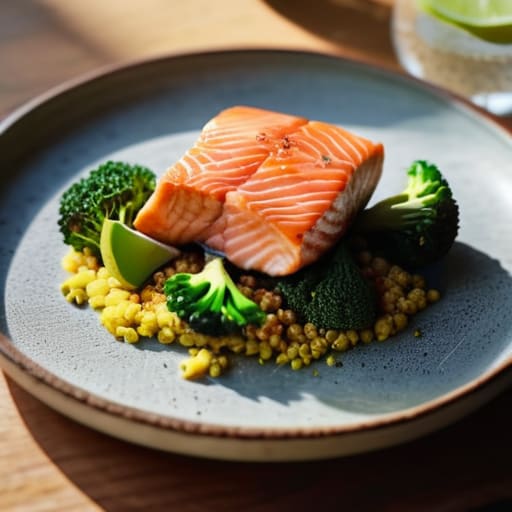
Look, I know the term “macronutrient distribution guide” sounds like something straight out of a clinical textbook that nobody actually wants to read, but it’s way simpler than the science makes it out to be. You don’t need a kitchen scale or a fancy app to get this right. For me, it’s all about visual cues. When I’m staring at a random assortment of leftovers, I just aim for a rough protein vegetable carbohydrate ratio that feels sustainable. I try to fill half my plate with whatever greens or veggies are looking less sad in my crisper drawer, a quarter with a protein source, and the last quarter with some complex carbs.
It’s not about being perfect or hitting exact gram counts every single day—that’s a fast track to burnout. Instead, think of it as a loose framework for portion control for healthy eating that actually fits your real life. If you’re feeling extra hungry after a long day of work, throw in a little more carb. If you’re feeling sluggish, lean harder into the veggies. The goal is just to stop guessing and start eating in a way that keeps your energy steady without the stress.
The Healthy Plate Method for Real Unfussy Living
Look, I know the term “portion control for healthy eating” sounds like something straight out of a clinical textbook that makes you want to roll your eyes, but let’s strip away the math. You don’t need a digital scale or a PhD to get this right. Instead of obsessing over grams, I just use my eyes and whatever utensil is already in my hand. Think of it as a visual shorthand rather than a strict rulebook.
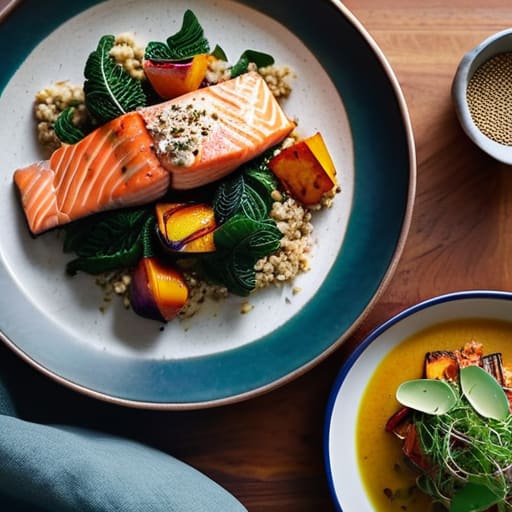
If you’re using a standard dinner plate, aim to fill half of it with whatever veggies are looking freshest in your fridge—frozen is totally fine, by the way. The other half gets split between your protein and your carbs. This isn’t about restriction; it’s about the nutritional density of foods actually working for you instead of against you. When I’m meal prepping for nutrition on a Sunday, I don’t aim for perfection; I just make sure my containers aren’t eighty percent pasta. It’s a simple, visual way to ensure you’re actually getting the fuel you need to get through a workday without that mid-afternoon crash.
5 Low-Stress Ways to Actually Get This Done
- Stop hunting for “superfoods” and just look at what’s in your pantry. If you have a can of chickpeas, some frozen spinach, and a bag of rice, you’ve already got a balanced meal. You don’t need a trip to a specialty organic market to hit your macros.
- Embrace the “frozen and canned” life. I used to feel weird about using frozen veggies, but honestly, they’re cheaper, they don’t rot in my fridge after three days, and they’re just as nutritious. They’re a total lifesaver when I’m too tired to chop anything fresh.
- Keep a “formula” in your head so you don’t have to think. I usually just aim for: one protein + one fiber-heavy carb + whatever greens are around + a fat source (like olive oil or half an avocado). Once you know the pattern, you stop staring blankly at the fridge for twenty minutes.
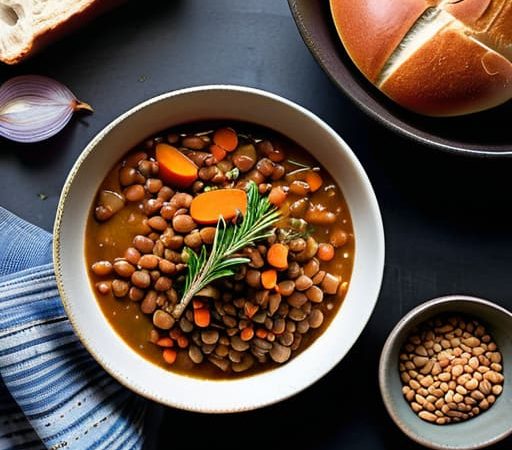
- Don’t aim for a Pinterest-perfect plate. Life is messy, and your dinner can be, too. A bowl of lentils, some wilted kale, and a scoop of quinoa thrown together in a mismatched bowl is still a win. It’s about the fuel, not the aesthetic.
- Batch prep the boring stuff. I don’t do those intense, five-hour Sunday meal prep sessions—they’re exhausting. Instead, I just cook a big batch of grains or roast a tray of veggies when I actually have the energy. It makes assembling a quick, balanced meal on a Tuesday night so much easier.
The Bottom Line: Making It Work for Your Life
Stop hunting for “superfoods” and just focus on the basics—protein, a veggie, and a carb—so you actually stay full without breaking the bank.
Your plate doesn’t need to look like a Pinterest board to be nutritious; if it’s fueling you and using what you already have in the pantry, you’re winning.
Aim for consistency over perfection, because a “good enough” meal you actually eat is better than a complex recipe that ends up in the trash.
Stop Stressing the Perfect Plate
Look, at the end of the day, building a balanced meal isn’t about following a rigid, color-coded blueprint or buying a bunch of overpriced organic supplements you don’t actually need. It’s really just about getting the basics right: a decent hit of protein, some fiber-rich veggies, and enough carbs to keep your energy from crashing mid-afternoon. If you’ve mastered the ratio and you’re using the plate method to visually check your portions, you’re already ahead of most people. Don’t let the fear of a “suboptimal” meal stop you from eating; just aim for the middle ground and use what you’ve got in the fridge.
I spent way too long thinking I needed a Pinterest-perfect kitchen and a massive grocery budget to eat well, but that was just a recipe for burnout. Real wellness is found in the small, sustainable wins—like choosing a handful of spinach over a bag of chips or actually sitting down to eat instead of grazing over the sink. You don’t need a lifestyle overhaul to feel better; you just need to stop overcomplicating the process. Eat what nourishes you, keep it simple, and be kind to yourself when things don’t go according to plan. You’ve got this.
Frequently Asked Questions
What if I’m eating on a super tight budget—can I still hit these ratios with just canned goods and frozen veggies?
Honestly, absolutely. Please stop feeling guilty about the freezer aisle. Frozen veggies are often more nutrient-dense than the “fresh” stuff that’s been sitting on a truck for a week, and they don’t rot in your crisper drawer. Grab some canned beans for protein, a bag of frozen spinach, and some cheap oats or rice. It’s not “aesthetic,” but it hits every single ratio perfectly without draining your bank account.
Does this "balanced plate" thing change if I'm trying to eat more plant-based or vegetarian?
Honestly, it doesn’t change the logic, just the ingredients. The “plate” stays the same; you’re just swapping the heavy hitters. Instead of chicken or beef, you’re leaning on lentils, chickpeas, or tofu for that protein hit. Just keep an eye on your textures and colors so you don’t end up with a beige bowl of mush. It’s still about that ratio—just more beans and way more creative seasoning.
I’m always exhausted by 3 PM; does the way I balance my lunch actually affect my energy crashes later?
Oh, 100%. That 3 PM slump is usually your body’s way of protesting a lunch that was basically just a sugar or carb bomb. If you eat a massive bowl of pasta or a sandwich with nothing but white bread, your blood sugar spikes and then absolutely craters. Try adding more fiber and protein—like some chickpeas or a handful of greens—to slow down that digestion. It keeps your energy steady so you aren’t crashing by mid-afternoon.