How to Unplug and Reduce Screen Time for Better Mental Clarity

I was sitting on my floor yesterday, surrounded by half-restored thrifted chairs and a pile of sawdust, when I realized I’d spent the last forty minutes scrolling through TikTok instead of actually working. My neck was stiff, my eyes felt like they were filled with sand, and I had that familiar, hollow feeling in my chest that only comes from mindless consumption. We’ve all been told that the secret to digital wellness is buying a $50 sunrise alarm clock or enrolling in some expensive, aesthetic-heavy “digital detox” retreat, but honestly? That’s just more consumerism disguised as self-care. Learning how to lower screen time shouldn’t require a lifestyle overhaul or a massive budget; it just requires a bit of intentionality and some very unglamorous boundaries.
I’m not here to give you a list of “life-changing” apps that will probably just end up being another distraction on your home screen. Instead, I want to share the scrappy, realistic methods I use to reclaim my focus without feeling like I’m living in the Stone Age. We’re going to talk about small, functional shifts—the kind you can actually sustain when life gets messy—that help you put the phone down and actually start living in your own space again.
Spotting Smartphone Addiction Symptoms Without the Guilt

Look, I’m not here to lecture you or make you feel like a failure because you spent two hours scrolling through mindless reels at 2 AM. We’ve all been there. But there’s a difference between a quick check of your messages and that weird, hollow feeling you get when you realize you’ve been staring at a screen for way too long without even remembering what you were looking at. One of the most common smartphone addiction symptoms is that phantom itch—you know, that reflex where you reach for your phone the second there’s a micro-second of boredom or silence.
It’s also about how it’s physically affecting you. If you’re waking up feeling like a zombie, it might not just be your caffeine intake; the blue light impact on sleep is real and can totally wreck your circadian rhythm. I started noticing that if I didn’t put my phone away an hour before bed, my brain felt like it was vibrating. It’s not about being perfect; it’s just about recognizing when your device has stopped being a tool and started being a distraction you can’t shake.
Setting App Limits That Actually Stick
Look, we’ve all been there: you set a thirty-minute limit on Instagram, and somehow, forty-five minutes later, you’re still scrolling through reels of people making sourdough you’ll never actually bake. The problem is that most of us treat setting app limits like a suggestion rather than a rule. If you’re just clicking “ignore limit for today” every time the pop-up appears, you aren’t actually managing your time; you’re just negotiating with a machine. To make it stick, you have to stop being so lenient with yourself.
Instead of trying to overhaul your entire digital life overnight, try a tiered approach. Start by nuking the most “vampire” apps—the ones that suck your time dry without giving anything back. I personally found that turning off all non-human notifications was a game changer. If it’s not a direct text or a call from a real person, I don’t need my phone vibrating in my pocket. This is one of the most effective screen time management techniques because it shifts you from being reactive to being intentional. You aren’t just fighting an addiction; you’re reclaiming your focus.
Low-Stakes Ways to Break the Scroll Loop
- Turn your phone into a boring piece of hardware by switching to grayscale. Seriously. Once those bright, candy-colored app icons lose their shine, your brain stops getting that tiny dopamine hit every time you glance at your screen. It makes Instagram look like a dusty newspaper, and honestly? It works.
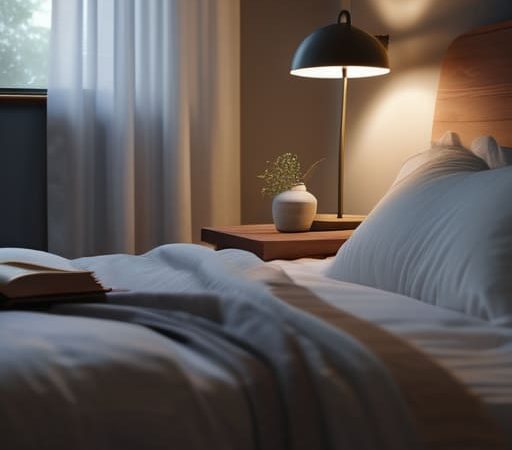
- Create “Phone-Free Zones” in your apartment that don’t cost a dime. For me, it’s the kitchen table and my bed. I stopped bringing my phone into the bedroom months ago, and it’s been a game-changer for my sleep. If you can’t relax without a screen, you aren’t actually relaxing; you’re just zoning out.
- Replace the “phantom scroll” with something tactile. I keep a small notebook and a pen near my couch—the same one I use for my grocery tracking. When I feel that mindless urge to reach for my phone, I scribble a quick to-do list or just doodle instead. It gives my hands something to do without the brain fog.
- Curate your feed like you curate your thrifted furniture: if it doesn’t add value or beauty, get rid of it. Unfollow any account that makes you feel like you’re failing at life or makes you want to spend money you don’t have. If your feed is just a constant stream of performative perfection, of course you’re going to feel drained.
- Buy a cheap, old-school alarm clock. Using your phone as an alarm is a trap. You wake up, reach for the phone to turn off the noise, and suddenly you’ve spent forty-five minutes reading news headlines or scrolling through TikTok before your feet even hit the floor. Keep the phone across the room so you actually have to move to stop the noise.
The Realist's Cheat Sheet for Reclaiming Your Time
Stop aiming for zero screen time; just aim for intentionality by swapping mindless scrolling for something that actually fulfills you, like a quick sketch or even just sitting with your coffee.
Treat your phone like a tool, not a limb—if you aren’t using it to solve a specific problem or connect with a real person, it shouldn’t be in your hand.
Build “phone-free zones” into your physical space, like keeping your charger in the kitchen so your bed becomes a sanctuary instead of a digital rabbit hole.
Reclaiming Your Real Life
Look, we aren’t going to pretend that you can just delete every single app and live like a hermit in the woods. That’s not realistic, and honestly, it’s a recipe for burnout. The goal isn’t to reach some mythical state of “digital purity,” but to stop letting your phone dictate your mood and your time. By spotting those mindless scrolling triggers and setting boundaries that actually fit your lifestyle—rather than some rigid, impossible schedule—you’re already winning. It’s about moving away from reactive consumption and moving toward intentional usage. If you can manage to put the phone in a different room during dinner or set a hard cutoff time before bed, you’ve already done more than most people.
At the end of the day, your life is happening right here, in the messy, uncurated, and non-filtered moments that a screen can’t capture. I spent way too long trying to document my life for an imaginary audience instead of actually living it. Don’t fall into that trap. Use your phone as a tool, not a tether. When you finally look up and realize you haven’t checked your notifications in two hours, you’ll realize that the real world is much more interesting than anything happening in your feed. Go do something tactile, something slow, or something just for you. You’ve got this.
Frequently Asked Questions
What do I do when I feel that weird, restless anxiety of actually being away from my phone?
That twitchy, restless feeling is basically your brain going through withdrawal. It’s uncomfortable, but it’s not a sign that you’re doing something wrong—it’s proof the habit was real. When that anxiety hits, don’t fight it with more scrolling. Grab that notebook I’m always talking about, or just step outside for five minutes. Do something tactile, like watering a plant or washing a dish. Give your hands something real to do.
How can I stop scrolling when I’m just trying to decompress after a long day of work?
Honestly, I used to do this every single night. I’d sit down to “relax” and suddenly it’s 11 PM and my brain feels like mush. The trick isn’t willpower; it’s having a better alternative ready. Instead of scrolling, I keep a book or a half-finished crochet project right where I usually sit. If you don’t have a low-effort “analog” task waiting for you, your hand is just going to gravitate toward the phone by habit.
Are there any low-cost or free hobbies that can actually replace the dopamine hit I get from social media?
Honestly, the hardest part is realizing that scrolling gives you a fake sense of “doing something.” To replace that hit, you need stuff that actually uses your hands. I’ve been getting into thrift flipping—finding a beat-up chair on the curb and sanding it down is way more satisfying than a double-tap. Even just gardening or sketching in a cheap notebook works. It’s about finding a slow burn instead of that instant, empty spike.