Affordable Ways to Refresh Your Home Decor
I spent most of my early twenties staring at the beige, soul-sucking walls of a tiny studio apartment, feeling like I couldn’t actually live there because I didn’t have a massive budget or a Pinterest-perfect interior designer on speed dial. It’s so easy to fall into the trap of thinking you need to spend a month’s rent at a big-box retailer just to make a space feel like home, but honestly? That’s just a recipe for burnout and a drained bank account. I’ve realized that the best diy home decor ideas aren’t about buying more stuff; they’re about looking at what you already own—or what you can find for free on a curb—and seeing the potential for something actually meaningful.
In this post, I’m stripping away the performative fluff and sharing five specific ways you can transform your space without breaking the bank. I’m talking about practical, low-effort projects that prioritize function over “aesthetic” for the sake of it. We’re going to dive into how you can repurpose everyday items and use a little bit of creativity to build a home that feels genuinely cozy and uniquely yours.
Repurpose Your Glassware
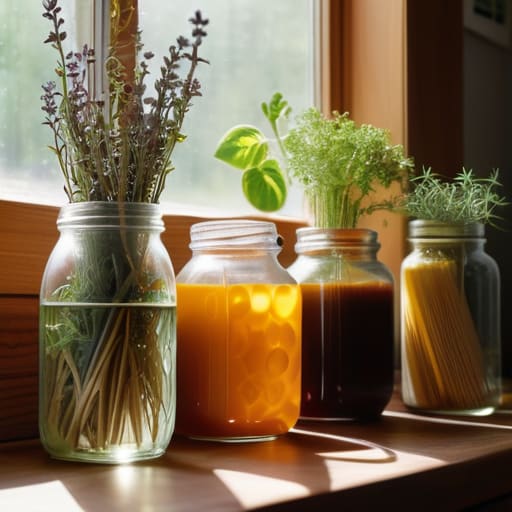
We’ve all been there—standing in front of a massive trash can with a handful of empty pasta sauce jars or fancy kombucha bottles. Before you toss them, give them a quick soak in warm soapy water to get the labels off. I use mine constantly to hold everything from my mismatched pens to the dried herbs I grow in my windowsill garden. It’s such a low-effort way to add a little structure to your desk or kitchen counters without spending a dime.
The Thrifted Frame Flip
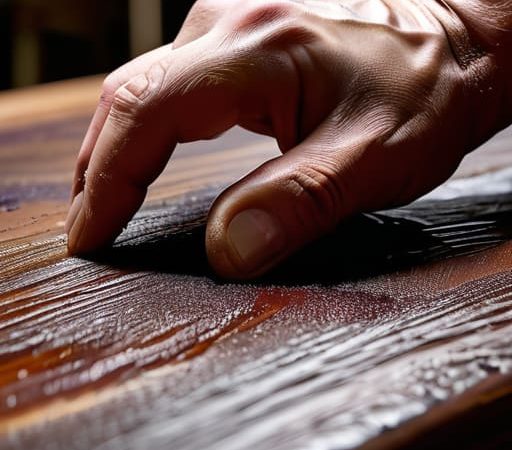
I am a sucker for a good curb alert, especially when it comes to old, chunky wooden frames that have seen better days. You don’t need to be a master carpenter to make these work; honestly, sometimes the scuffs and scratches add more character than a brand-new piece from a big-box store. If the wood is looking a bit sad, a quick sanding and a coat of beeswax can bring it back to life beautifully.
Fabric Scraps as Texture
Most of us have a “junk drawer” or a bag of old clothes that are too worn to donate but too good to throw away. Instead of letting them sit there, use those textiles to add some much-needed softness to your space. You can wrap old, ugly storage boxes in leftover linen or cotton to turn them into functional decor that hides your clutter while looking intentional.
Propagate Your Greenery
Plants are the ultimate hack for making a space feel lived-in, but buying mature, potted plants every time you want a refresh is a total budget killer. My favorite way to decorate is through propagation. I take cuttings from my existing pothos or monstera and let them root in those glass jars we talked about earlier. It’s basically free decor that grows with you.
The Power of Strategic Lighting
If your apartment feels “off,” it’s probably not the furniture—it’s the harsh, overhead lighting. One of the best ways to elevate your space without buying new stuff is to rethink how you use light. I always look for ways to repurpose old lamps or even use simple string lights tucked behind a bookshelf to create a soft, ambient glow.
The Real Bottom Line
Stop looking at your “stuff” as clutter and start seeing it as raw material; most of what you need to refresh your space is already sitting in your pantry or your junk drawer.
Aesthetic is secondary to utility—if a DIY project looks cute but makes your life harder or more expensive to maintain, it’s not worth your time.
Sustainability isn’t just about the planet, it’s about your bank account; building a home with what you have is the ultimate way to break the cycle of mindless consumerism.
The Real Goal Isn't a Catalog Look
At the end of the day, decorating your space shouldn’t feel like a second job or a way to compete with some polished Pinterest board. Whether you’re repurposing old glass jars to hold your pens or giving a thrifted side table a second life with a bit of sanding and stain, the goal is the same: making your environment work for you. We’ve looked at how to use what you already have—from pantry staples to those “junk” items sitting in your garage—to create something that feels intentional. It’s about realizing that true style isn’t something you buy in a single afternoon at a big-box retailer; it’s something you build slowly, piece by piece, using your own hands and a little bit of creativity.
Please, stop waiting until you have more money or a bigger apartment to start making your home feel like “you.” Your life is happening right now, in the space you currently occupy, and you deserve to feel comfortable in it today. Don’t let the pressure of a perfect aesthetic keep you from actually living. Focus on the small, functional wins that make your daily routine a little smoother and your soul a little lighter. If a DIY project makes you feel proud and costs almost nothing, you’ve already won. Now, go grab that notebook, pick one small thing to fix or transform, and just start.
Frequently Asked Questions
I have a bunch of old furniture that looks pretty beat up—is it actually worth the effort to sand and refinish it, or should I just let it go?
Honestly? If the bones are solid, keep it. There is nothing more satisfying than taking a beat-up thrift find and turning it into something that actually fits your vibe. Don’t let a scratched surface fool you—it’s usually just a few hours of sanding and a fresh coat of stain away from being a centerpiece. If it’s structurally falling apart or particle board, let it go. But if it’s real wood? Fight for it.
How do I make these DIY projects look like intentional decor rather than just random clutter taking up space?
Honestly, that’s the biggest fear with DIY—ending up with a room that looks like a craft store exploded. The secret is intentional grouping. Don’t just scatter things; use the “rule of three” or place your projects on a tray to give them boundaries. If it feels like clutter, it’s probably because it’s lonely. Give your DIY pieces a “job” or a dedicated spot so they look like part of a curated collection, not an accident.
What are some cheap, non-toxic supplies I can use for painting or crafting that won't break my budget or make my apartment smell like a chemical factory?
Honestly, I’ve been there. Nothing ruins a productive DIY afternoon like a headache from fumes. If you’re looking to skip the toxic stuff, look for “Low VOC” or “Zero VOC” paints—they’re much kinder to your lungs and won’t make your whole apartment smell like a hardware store. For crafting, I swear by beeswax or soy-based crayons and natural pigments. They’re a bit more intentional, but your space (and your health) will thank you.