Staying Mobile When Your Job Keeps You Seated

I’m so over the “wellness influencer” version of productivity, where you’re expected to own a $500 walking pad and a designer ergonomic chair just to avoid back pain. Honestly, most of that advice feels like a scam designed to make you feel inadequate for not having a massive home office setup. If you’re like me—juggling freelance deadlines from a cramped apartment or sitting in a tiny cubicle—you don’t need more expensive gear to solve the problem. Realistically, learning how to stay active at work shouldn’t require a monthly subscription or a complete lifestyle overhaul; it should just be about making small, intentional shifts that don’t wreck your focus or your bank account.
I’m not here to sell you on a “biohacking” routine that takes three hours to prep. Instead, I want to share the low-effort, high-impact movements I actually use to keep my energy up without losing my mind. We’re going to focus on functional, zero-cost habits—like the specific way I stretch during client calls or how I use my lunch break to actually reset. This is about building a sustainable rhythm using what you already have, so you can finish your day feeling human rather than like a literal statue.
Forget Expensive Gear Small Micro Breaks for Movement
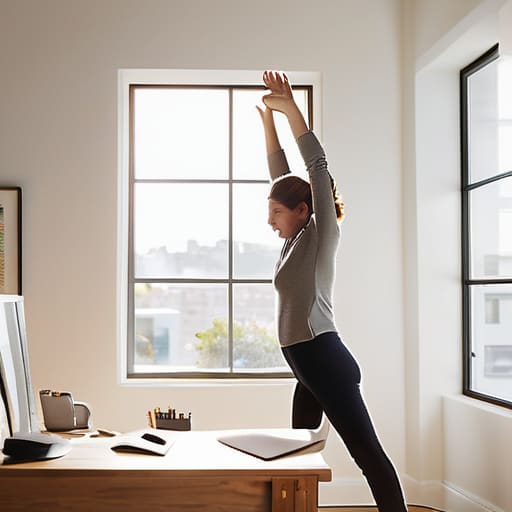
Look, I get it. The internet wants you to believe that if you don’t have a $600 standing desk and a high-tech ergonomic chair, you’re basically doomed to a lifetime of back pain. But honestly? Most of that gear is just expensive clutter. You don’t need a dedicated home gym setup to combat a sedentary lifestyle at work; you just need to stop treating your chair like a permanent anchor.
Instead of waiting for a scheduled lunch break, try incorporating tiny micro-breaks for movement throughout the hour. I’ve found that even sixty seconds of intentional movement makes a massive difference in how my brain functions. Think about it: a quick set of desk stretches for office workers—like rolling your shoulders or doing a seated spinal twist—can reset your focus without you even having to leave your zone. It’s not about a massive workout; it’s about proving to your body that you aren’t actually a statue. Just move a little, often, and keep it low-effort and sustainable.
Real Desk Stretches for Office Workers You Can Actually Do
Look, I’m not going to tell you to buy a $500 ergonomic chair or a fancy massage tool to fix your posture. Most of the time, your body is just screaming because you’ve been hunched over a laptop like a gargoyle for three hours straight. To combat a sedentary lifestyle at work, you really just need to target the spots that tighten up first: your neck, shoulders, and hips.
Start with some simple desk stretches for office workers that don’t look weird in a cubicle. Try the “seated figure-four”: cross one ankle over your opposite knee and lean forward slightly. It’s a lifesaver for tight hips if you’ve been sitting too long. For your upper body, try a simple seated spinal twist—just grab the back of your chair and gently rotate. It feels incredibly grounding when your back starts feeling stiff.
The goal isn’t to turn your workspace into a yoga studio; it’s just about releasing that built-up tension before it turns into a full-blown tension headache. Even sixty seconds of moving your joints can reset your focus.
Low-effort ways to keep your body from locking up
- Stop treating every meeting like a marathon. If you’re on a call where you don’t need to be staring at a screen, stand up and pace your room. I do this during my freelance client check-ins all the time; it keeps me from feeling like a statue by 3 PM.
- Use the “water bottle trick” to force movement. Instead of keeping a giant gallon jug at your desk, use a smaller glass. It sounds annoying, but it forces you to get up and walk to the kitchen or the water cooler more often. It’s basically a built-in movement timer.
- Ditch the “all or nothing” mindset with your lunch break. You don’t need an hour-long gym session to count as being active. Just fifteen minutes of walking around the block or even just standing in the sun helps reset your brain and your posture without costing a dime.
- Change your scenery if you can. If you’re working from a small apartment like I am, sitting in the same chair for six hours is brutal. Try moving to the kitchen counter for twenty minutes or even sitting on the floor for a bit. A change in elevation keeps your muscles from settling into one stiff position.
- Set a “movement alarm” that isn’t a productivity hack. Don’t look at it as a task to optimize your output; look at it as a way to not feel like a human pretzel by the end of the day. When that timer goes off, just shake out your limbs or do a quick calf stretch. It’s about feeling human, not being a machine.
The bottom line
Stop waiting for a gym membership or a fancy ergonomic setup to save you; movement happens in the tiny, unglamorous gaps of your day.
Consistency beats intensity every single time—five minutes of stretching while your coffee brews is better than a grueling hour-long workout you’re too tired to actually do.
Listen to your body instead of your to-do list; if your back is screaming, take the five-minute walk, even if it feels “unproductive.”
Small Wins Over Perfect Routines
Look, I know the idea of a “wellness revolution” sounds exhausting when you’re just trying to clear your inbox. But staying active at work isn’t about hitting a specific step count or owning a $500 ergonomic setup. It’s really just about those tiny, intentional choices we talked about: taking a quick lap when your brain feels fried, doing a few seated stretches to undo that “desk hunch,” and refusing to let yourself stay frozen in one position for four hours straight. If you can manage even one micro-break a day, you’re already doing better than most. It’s about making movement accessible, not making it another chore on your to-do list.
At the end of the day, please don’t beat yourself up if you have a day where you barely move. We aren’t robots, and some workdays are just meant for grinding through the chaos. The goal isn’t to be a productivity machine; it’s to build a lifestyle that doesn’t leave you feeling physically wrecked by 5:00 PM. Focus on what is functional and sustainable for your actual life, not the idealized version you see on a curated feed. You don’t need a lifestyle overhaul to feel better—you just need to start small, stay consistent, and trust your own rhythm.
Frequently Asked Questions
How do I stay active if my job requires me to be constantly on calls or in meetings?
Honestly, the “camera-on” culture makes this feel impossible, but you don’t need a standing desk to make a difference. If you’re on a call where you don’t need to be presenting, go hands-free and pace your room. If you’re stuck in a video meeting, try doing seated calf raises or even just squeezing your glutes. It sounds silly, but keeping your body engaged while your brain is stuck in a spreadsheet actually helps prevent that mid-afternoon slump.
Is it weird to do these stretches in an open office, or do I need to find a private spot?
Honestly? It can feel a little awkward at first, but don’t let that stop you. I used to overthink it, but most people are way too wrapped up in their own emails to notice you’re just doing a quick neck stretch. If you’re feeling self-conscious, stick to the subtle stuff—like seated spinal twists or ankle circles—under your desk. If you really need to go big with a deep stretch, just head to the breakroom or a stairwell.
I'm already pretty busy—how am I supposed to fit movement in without it feeling like another overwhelming task on my to-do list?
Honestly, if it feels like a chore, you’re probably trying to do too much. Stop trying to schedule “workout blocks.” Instead, try habit stacking. I do this all the time: I only check my personal texts while standing up, or I do calf raises while my coffee is brewing. Don’t aim for a gym session; aim for movement that hitches a ride on things you’re already doing. Keep it tiny and low-pressure.