How to Build a Kitchen That Makes Healthy Eating Automatic
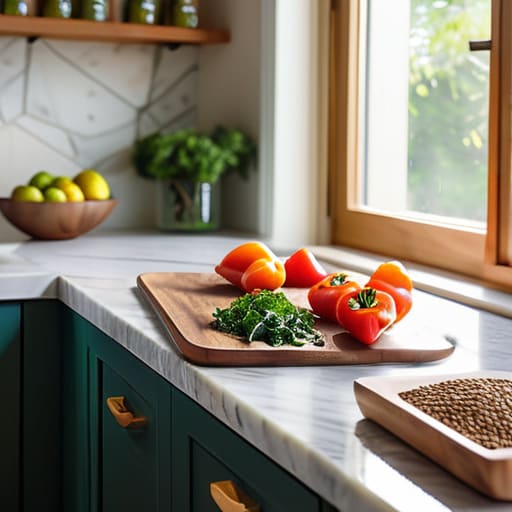
I used to think that learning how to stock a healthy kitchen meant having a pantry filled with aesthetic glass jars, $15 jars of organic almond butter, and enough “superfoods” to make a wellness influencer weep. I spent way too much money on trendy ingredients that just sat in my cupboard gathering dust because I couldn’t actually find a way to use them. It’s exhausting, honestly—this constant pressure to buy a perfectly curated lifestyle instead of just buying food that actually nourishes you.
I’m over the performative stuff. In this guide, I’m stripping away the hype and showing you the realistic way to approach how to stock a healthy kitchen without breaking your budget or wasting half your groceries. We’re going to focus on functional staples, versatile ingredients, and the kind of smart meal prepping that works when you’re tired and busy. No expensive hacks, no aesthetic nonsense—just a practical blueprint for building a kitchen that actually supports your real life.
The Real Nutritious Grocery List Essentials for Real Life
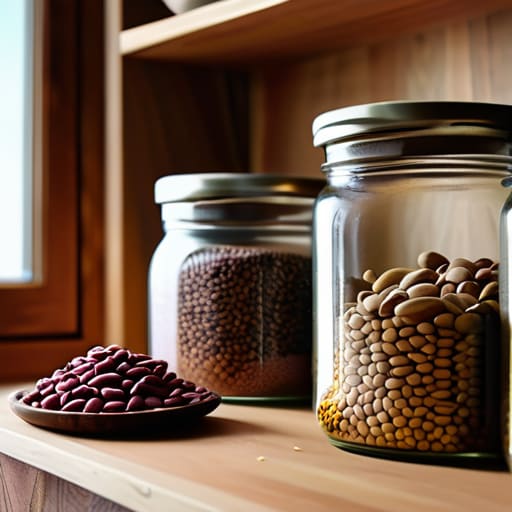
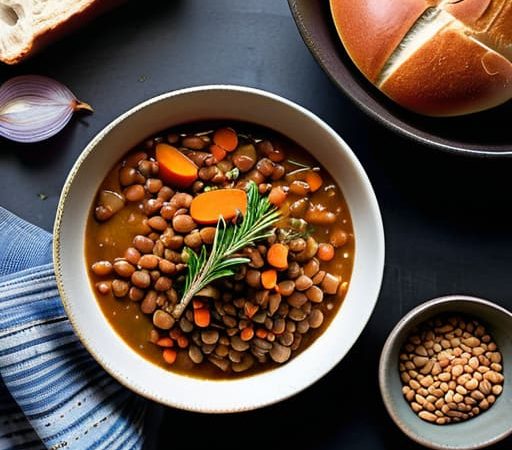
Look, we’ve all been there—standing in the middle of a bright, intimidating grocery aisle, staring at a “superfood” smoothie bowl kit that costs more than my entire weekly budget. Let’s skip the performative stuff. To me, a solid list of nutritious grocery list essentials isn’t about exotic dragon fruit or expensive powders; it’s about the stuff that actually survives a busy week. I’m talking about the heavy lifters: bags of dried lentils, oats, canned beans, and frozen veggies. These are my absolute whole food pantry staples because they’re cheap, they don’t rot if I forget about them for three days, and they form the backbone of almost every meal I make.
When I’m meal prepping with healthy ingredients, I focus on versatility over variety. I’ll grab a big bag of brown rice, some eggs, and whatever seasonal greens are on sale. If you have a base of grains, a reliable protein, and something frozen or canned for fiber, you’re already winning. You don’t need a curated, aesthetic pantry to be healthy; you just need ingredients that actually do the work for you when you’re too tired to cook a five-course meal.
Smart Whole Food Pantry Staples That Wont Break the Bank
Look, I used to think a “healthy pantry” meant having a shelf full of $15 artisanal grain blends and exotic spices I’d only use once. In reality, my most reliable whole food pantry staples are the boring ones. I’m talking about big bags of dried lentils, chickpeas, and brown rice. These are the heavy lifters that make meal prepping with healthy ingredients actually feasible when you’re tired after work. They’re cheap, they last forever, and they provide a solid base for basically any meal you can dream up.
Don’t sleep on canned goods, either—just check the labels to make sure you’re grabbing the versions without a bunch of added sodium or weird fillers. Things like canned sardines, crushed tomatoes, and even frozen peas are absolute lifesavers for quick, decent meals. If you focus on building a foundation of these nutrient dense pantry items, you’ll find that you aren’t constantly running to the store for “emergency” takeout. It’s less about having a curated aesthetic and more about having stuff that actually keeps you full without draining your bank account.
5 ways to stop overspending and start actually eating well
- Stop the “just in case” shopping. I used to buy a mountain of kale thinking I’d be a wellness goddess, only to watch it turn into green sludge in my crisper drawer. Buy what you’ll actually cook this week. If you aren’t a salad person, don’t buy salad just because it’s “healthy.”
- Frozen is your best friend, seriously. There is zero shame in the frozen aisle. Frozen spinach, berries, and peas are often more nutrient-dense than the “fresh” stuff that’s been sitting in a truck for a week, and they won’t die on you if you have a busy Tuesday.
- Master the art of the “base” ingredient. Instead of buying pre-made meals that cost a fortune and are loaded with salt, grab a big bag of rice, quinoa, or lentils. If you have a solid, cheap base, you can throw almost any leftover veggie or protein on top and call it a day.
- Check your pantry before you leave the house. I keep a little notebook in my kitchen to track what I actually use versus what just gathers dust. It prevents that mid-aisle panic where you buy a third jar of cumin because you couldn’t remember if you had any at home.
- Don’t chase the “superfood” hype. You don’t need expensive goji berries or rare adaptogens to be healthy. A bag of oats, some eggs, and seasonal fruit do more for your body (and your bank account) than any overpriced wellness powder ever will.
The bottom line on eating well without the burnout
Stop chasing “superfoods” and focus on versatile, affordable staples that actually keep you full during a long workday.
Build your pantry around things that have a long shelf life so you aren’t constantly throwing money (and food) in the trash.
Forget the aesthetic grocery haul; a healthy kitchen is about having the right basics on hand to make a quick, decent meal when you’re exhausted.
Stop Aiming for Perfection
At the end of the day, stocking a healthy kitchen isn’t about having a Pinterest-perfect pantry filled with glass jars and $15 organic cashew butter. It’s about building a foundation of functional staples—those versatile beans, grains, and frozen veggies that actually show up for you when you’re too tired to cook a gourmet meal. We’ve covered how to prioritize nutrient-dense basics and how to lean on affordable whole foods that don’t drain your bank account. The goal isn’t to buy everything on this list at once; it’s to slowly replace the empty calories with things that actually fuel your body and fit your real-world budget.
Please, give yourself some grace here. Some weeks you’ll meal prep like a pro, and other weeks you’ll survive on toast and whatever is left in the back of the freezer. Both are fine. A healthy kitchen is a tool, not a status symbol or a performance. Focus on what is sustainable for you right now, using what you already have in your cupboards. You don’t need a massive budget or a lifestyle overhaul to feel good; you just need a little bit of intention and a lot of practicality. You’ve got this.
Frequently Asked Questions
How do I keep all these fresh ingredients from just rotting in my fridge when I have a busy week?
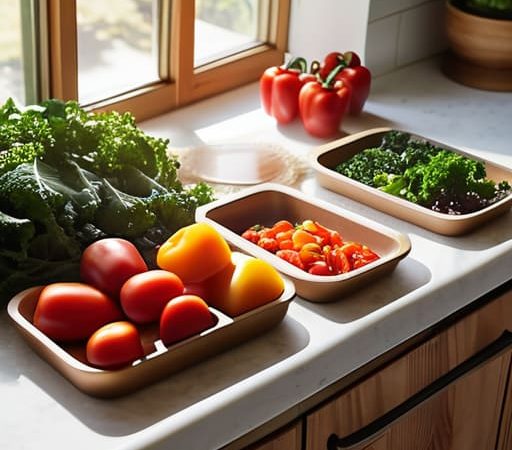
Honestly, the “rot and regret” cycle is real. My biggest hack? Stop treating your fridge like a graveyard. If you know you’re swamped, don’t buy the giant bag of spinach—buy the frozen stuff instead. For what you do buy fresh, prep it immediately. Wash your berries, chop your peppers, and put them in clear containers. If something is looking sad, toss it in a sheet pan for roasting or a quick smoothie. Don’t let good food go to waste just because life got messy.
Is it actually worth buying frozen veggies, or am I just losing out on the nutrients?
Honestly? Buy the frozen stuff. I used to feel this weird guilt about it, like I wasn’t “real” enough for cooking with fresh produce, but it’s actually a total life hack. Most frozen veggies are flash-frozen right at the peak of ripeness, so they often pack more nutrients than those “fresh” ones that have been sitting in a truck for a week. Plus, they don’t rot in my crisper drawer. It’s cheaper, easier, and way less wasteful.
How do I balance a healthy grocery list with a really tight budget without feeling like I'm just eating beans every single night?
Look, I get it. The “beans and rice” lifestyle gets old fast. The trick isn’t buying more food; it’s about flavor layering and smart substitutions. Instead of just plain beans, grab some cheap spices or a jar of kimchi to level them up. Mix in frozen veggies—they’re just as nutritious as fresh but won’t rot in your fridge. Focus on versatile staples like eggs or oats that feel like actual meals, not just survival rations.