Mastering Sleep Hygiene for More Restorative Rest
I am so tired of seeing those “aesthetic” bedroom transformations on TikTok where people spend hundreds of dollars on silk pillowcases and weighted blankets just to feel “zen.” Honestly, if you’re scrolling through endless, expensive sleep hygiene tips hoping a $50 lavender mist will magically fix your burnout, you’re just throwing money down the drain. We’ve been sold this idea that rest has to be a luxury ritual, but most of the time, we’re just exhausted and overstimulated by the very gadgets meant to help us.
I’m not here to sell you a lifestyle upgrade or a new piece of tech. Instead, I want to share the low-cost, slightly unglamorous stuff that actually worked for me when I was juggling freelance deadlines and garden shifts on four hours of sleep. I’m going to give you the real, no-nonsense version of sleep hygiene tips—the kind that focus on your environment and your habits rather than your bank account. Let’s figure out how to actually get you some decent rest using what you already have in your apartment.
Optimizing Your Sleep Environment Without Spending a Cent
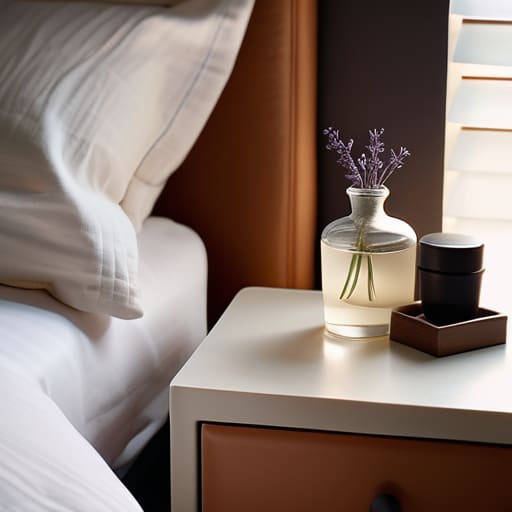
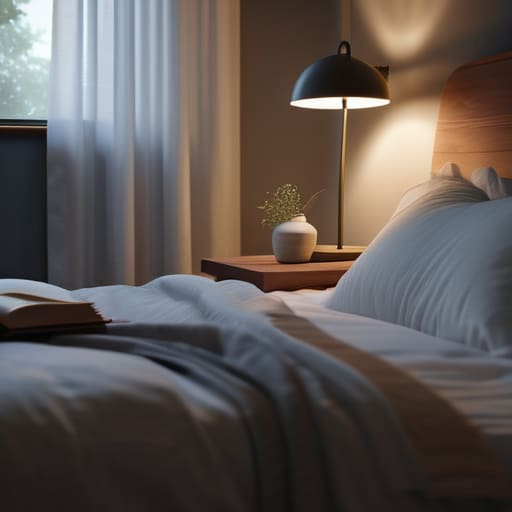
Look, you don’t need a $300 weighted blanket or a smart mattress to actually get some rest. Most of the time, we’re just fighting against our own rooms. If your space feels cluttered or chaotic, your brain isn’t going to want to shut down. Start by ruthlessly clearing your nightstand; if it’s covered in half-empty water glasses and old receipts, it’s just adding to your mental noise. I’ve found that even just tucking my loose papers into a drawer helps my brain realize the workday is officially over.
Next, let’s talk about light. We all know the drill with phones, but it’s more about the environment as a whole. If you can, try to keep your room as dark as possible to help with melatonin production naturally. If you have those annoying streetlights peeking through the blinds, don’t go out and buy blackout curtains immediately. Just use an old t-shirt or a spare scarf as a makeshift eye mask. It sounds janky, but optimizing sleep environment is about being resourceful, not being fancy. It’s about making your space work for you, not against you.
Managing Blue Light Exposure Effects on Your Nightly Rest
Look, I know it’s a lie to say “just don’t use your phone,” because I’ve been there, scrolling through TikTok at 1 AM when I should’ve been dead to the world. But the science behind blue light exposure effects is actually pretty annoying—those screens trick your brain into thinking it’s midday, which completely wrecks your melatonin production naturally. When your brain thinks the sun is still up, it won’t trigger that heavy, sleepy feeling you actually need to drift off.
Instead of buying some overpriced “blue light blocking” glasses that probably won’t even work, try a more realistic approach. Set a “digital sunset” on your phone to trigger night mode automatically, or better yet, swap the scrolling for something tactile. I’ve started keeping my notebook by my bed; if my brain is racing, I jot down my to-do list for tomorrow instead of opening an app. It’s a small shift, but it’s a game changer for circadian rhythm regulation and actually helps you stop the cycle of feeling like a zombie the next morning.
Real-Life Habits That Actually Help You Drift Off
- Stop treating your bed like a second office. If you spend all day working or scrolling on your laptop in bed, your brain starts to associate that space with stress instead of sleep. Try to keep your bed strictly for sleeping so your body knows exactly what to do when you hit the pillows.
- Watch the caffeine window. I know, I love a good iced latte as much as anyone, but if you’re drinking coffee at 4 PM, you’re basically sabotaging your own rest. Try to cut off the caffeine by early afternoon so it’s actually out of your system by bedtime.
- Get some sunlight in your eyes early on. It sounds counterintuitive, but getting natural light in the morning helps set your internal clock. It makes it way easier to feel tired when the sun actually goes down.
- Quit the “just one more episode” cycle. We’ve all been there, but that midnight Netflix binge is a trap. Set a hard cutoff time for your shows so you aren’t staying up until 2 AM fueled by pure momentum and blue light.
- Write down your brain dump list. If you lie awake staring at the ceiling thinking about everything you have to do tomorrow, grab that little notebook I’m always carrying. Jot down the stressors and the to-do list so they’re on paper and out of your head.
The No-Nonsense Sleep Cheat Sheet
Stop chasing the “perfect” aesthetic bedroom; focus on keeping it cool, dark, and quiet using what you’ve already got.
Your phone is a sleep killer—put it on the other side of the room at least thirty minutes before you actually want to pass out.
Consistency beats intensity; it’s way better to have a boring, predictable routine than to try some expensive, high-tech sleep hack once a week.
The Bottom Line
Look, we’ve covered a lot, but if you walk away with nothing else, just remember that better sleep isn’t about buying a $200 silk eye mask or a smart mattress. It’s about the small, almost boring stuff: dimming those lights, putting the phone in another room, and making sure your space actually feels like a place where you can unplug. You don’t need a complicated, expensive protocol to fix your rest; you just need to stop fighting against your own biology and start creating a little bit of space for your brain to actually decompress.
At the end of the day, don’t stress if you can’t get everything perfect right away. Some nights are going to be restless, and that’s okay. The goal isn’t to achieve some flawless, aesthetic sleep routine you saw on a curated feed; the goal is to build a sustainable habit that works for your actual, messy life. Be kind to yourself, use what you’ve got, and just try to do one small thing differently tonight. You deserve to wake up feeling like a human being again.
Frequently Asked Questions
What do I do if my brain just won't shut up even after I've put my phone away?
Honestly, I’ve been there. You’ve done the “no screens” thing, but your brain is still running a marathon. When that happens, stop trying to force the silence; it just makes the anxiety worse. Try a “brain dump.” Grab that notebook I’m always carrying and scribble down every single nagging thought or tomorrow’s to-do list. Once it’s on paper, your mind feels permission to let it go. It’s not magic, but it works.
Is it actually worth it to change my sleep schedule on the weekends, or can I just sleep in?
Honestly? Sleeping in until noon on a Sunday is basically giving yourself jet lag without even leaving your apartment. I used to do it constantly, thinking I was “catching up,” but I’d just end up staring at my ceiling on Sunday night, wide awake and frustrated. Try to keep your wake-up time within an hour or two of your weekday routine. It’s less about being a drill sergeant and more about not wrecking your rhythm.
How am I supposed to stay consistent with this when my job/school schedule is all over the place?
Honestly, this is where most “perfect” routines fall apart. If your schedule is a mess, stop trying to force a rigid 10:00 PM bedtime—it’ll just frustrate you. Instead, focus on “anchor habits.” Whether you wake up at 6:00 AM or noon, try to do the same three things in order: dim the lights, stretch, or journal. It’s about the sequence, not the clock. Consistency is about patterns, not perfect timing.