Immediate Steps You Can Take Tonight for Better Sleep
I am so tired of seeing those “aesthetic” sleep routines all over my feed—you know the ones, featuring $100 silk pillowcases, specialized sunrise lamps, and a dozen different supplements that cost more than my weekly grocery budget. It feels like the internet is trying to convince us that you can’t figure out how to sleep better unless you have a curated, high-end bedroom sanctuary. Honestly? It’s exhausting and, frankly, a bit of a scam. I spent months trying to “optimize” my rest with every expensive gadget under the sun, only to realize I was just stressing myself out more about my sleep data than actually resting.
I’m not here to sell you a lifestyle or a subscription box. I want to talk about what actually works when you’re living in a real apartment, working a real job, and trying to manage a real budget. I’ve spent a lot of time trial-and-erroring my way through different habits, and I’ve boiled it down to the stuff that actually moves the needle. We’re going to focus on low-cost, high-impact shifts—things like light management and consistent rhythms—that don’t require a credit card to implement. Let’s get into the practical ways to actually rest.
Optimizing Sleep Environment Without the Luxury Price Tag
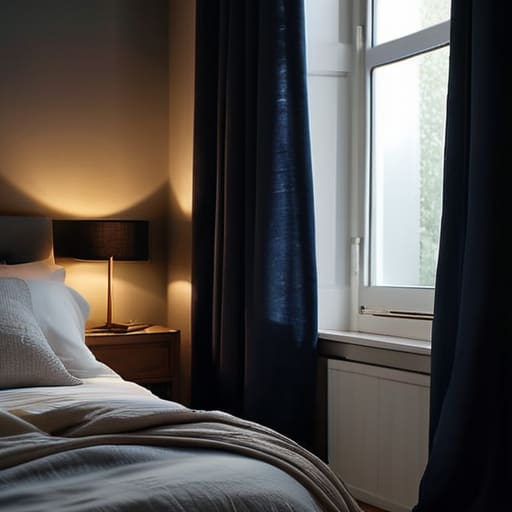
You don’t need a $3,000 smart mattress or those high-tech cooling pads to actually get some rest. Honestly, most of that stuff is just marketing fluff designed to separate you from your paycheck. For me, optimizing sleep environment starts with the things that are actually free. I’ve found that the biggest game-changer isn’t a new gadget, but simply controlling the light. If your room feels like a bright city street at 2 AM, your brain isn’t going to signal that it’s time to wind down. I started using some heavy, thrifted curtains to block out the streetlights, and it made a massive difference in my circadian rhythm regulation.
Another thing people overcomplicate is the “perfect” temperature. You don’t need an expensive cooling system; just crack a window or switch to cotton sheets you found at a yard sale. It’s about creating a space that feels intentional rather than cluttered. When I’m clearing out the visual noise in my bedroom—like that pile of laundry I’ve been ignoring—I notice I’m reducing sleep latency because my brain isn’t subconsciously tracking my to-do list while I’m trying to drift off. Keep it simple, keep it cool, and keep it dark.
Simple Sleep Hygiene Habits That Actually Stick
Honestly, most of the advice you see online about “sleep hygiene habits” feels like a full-time job. You don’t need a ten-step ritual or a $50 silk eye mask to see a difference. For me, it started with the small, unglamorous stuff—like actually sticking to a consistent wake-up time, even on weekends. It sounds boring, but it’s the most effective way to handle circadian rhythm regulation without needing a PhD. When your body knows when the day starts, it eventually figures out when it’s time to shut down, too.
I also stopped fighting my brain with blue light. Instead of scrolling through TikTok until my eyes burn, I started leaving my phone across the room. It’s a struggle at first, but reducing sleep latency—that annoying gap where you’re just staring at the ceiling—becomes so much easier when you aren’t overstimulating your nervous system right before bed. If you’re feeling restless, try a quick stretch or just some low-light reading. It’s about building a rhythm that feels natural, not something that feels like another chore on your to-do list.
5 Realistic Ways to Fix Your Sleep Schedule (Without the Biohacking Nonsense)
- Stop scrolling in bed. I know, it’s the easiest way to shut your brain off after a long day, but that blue light is basically a shot of espresso for your eyes. If you can’t put the phone away, at least turn on the night shift mode and keep it across the room so you aren’t tempted to doomscroll at 2 AM.
- Watch your caffeine cutoff. I used to think a 4 PM latte was fine as long as I felt tired by midnight, but it was actually just making my sleep shallow and restless. Try to make your last cup happen before noon—your future, well-rested self will thank you.
- Don’t stress about a “perfect” routine. You don’t need a 12-step evening ritual with expensive essential oils. Just find one or two things that signal to your body that the day is done, like reading a physical book or doing a quick five-minute stretch. Keep it low-effort so you actually do it.
- Get some actual sunlight in the morning. It sounds basic, but getting natural light in your eyes shortly after waking up helps reset your internal clock. Even if it’s just standing by the window while your coffee brews, it makes a huge difference in how tired you feel when evening rolls around.
- Stop trying to “force” sleep. If you’ve been tossing and turning for twenty minutes and your brain is racing, just get out of bed. Go sit in a chair in the dark or do something boring for a few minutes. If you stay in bed frustrated, you’re just training your brain to associate your mattress with anxiety instead of rest.
The Bottom Line on Better Rest
Stop chasing the latest sleep tech; focus on the basics like light control and a consistent schedule first.
Your environment doesn’t need to look like a Pinterest board to be effective, just dark, cool, and quiet.
Real progress comes from small, boring habits you can actually maintain, not a total lifestyle overhaul.
Rest is a Practice, Not a Product
At the end of the day, getting better sleep isn’t about buying a $200 weighted blanket or a fancy sunrise alarm clock that promises to change your life. It’s about the small, almost boring stuff: dimming those overhead lights, sticking to a decent routine, and making sure your bedroom is actually a place for rest rather than a second office. We’ve looked at how to fix your environment on a budget and how to build habits that actually stick without feeling like a chore. It’s not about being perfect; it’s about being intentional with the little things you can control.
Please don’t feel like you have to overhaul your entire life by tomorrow morning. If you only manage to put your phone away twenty minutes earlier tonight, that is a win. We spend so much time chasing these hyper-optimized, aesthetic versions of wellness that we forget the most important part: how we actually feel in our own skin. Sleep is a fundamental human need, not a luxury performance. So, take what works for you, ditch the rest, and give yourself permission to just lie down and breathe. You’ve got this.
Frequently Asked Questions
I’ve tried cutting out caffeine, but my brain still won't shut off at 11 PM—what else can I do when my thoughts are racing?
I totally get it—that 11 PM brain fog is real, even when you’ve skipped the coffee. When my mind starts spiraling, I stop fighting it and just get it out. I keep a notebook by my bed specifically for this. If I’m stressing about a deadline or a grocery list, I write it down. Once it’s on paper, my brain finally feels permission to stop looping. It’s low-tech, free, and actually works.
Is it actually worth spending money on a better mattress, or can I just fix my current setup with some cheap DIY hacks?
Look, I get the temptation to drop a grand on a new mattress, but let’s be real: most of us don’t need a luxury upgrade. If your current one is just feeling a bit lumpy or unsupportive, try a high-quality memory foam topper or even a firm mattress protector first. It’s way cheaper than a full replacement. Only spring for the big purchase if your mattress is actually sagging or giving you real back pain.
How do I stay consistent with a sleep schedule on weekends without feeling like I'm totally ruining my progress?
Look, I get it. The urge to stay up until 2 a.m. on a Friday is real, but that “social jetlag” is what kills your Monday motivation. You don’t have to be a robot about it, though. Instead of a total schedule flip, try the “two-hour rule.” If you stay up late, try not to sleep in more than two hours past your usual time. It keeps your internal clock from completely panicking.