Simple Fixes to Improve Your Posture While Working
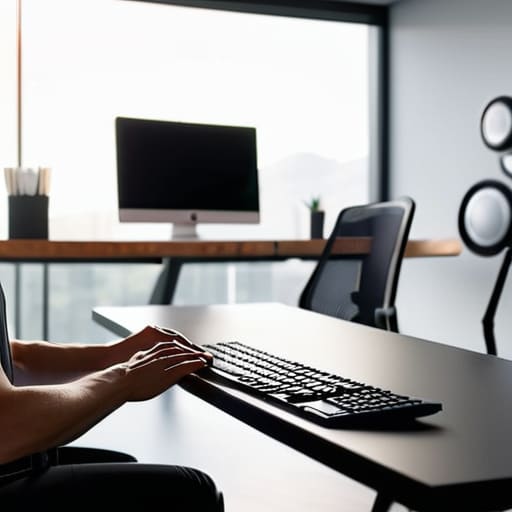
I was hunched over a thrifted mid-century dresser last Tuesday, sanding down a stubborn layer of old varnish, when I realized my neck felt like it was made of rusty gears. It’s that familiar, dull ache that hits when you’ve spent too many hours leaning into a laptop or focused on a DIY project. We’ve all seen those influencers claiming you need a $500 ergonomic chair or a subscription to some high-tech biohacking app to fix it, but honestly? That’s just more expensive noise. I’m tired of the idea that learning how to improve your posture has to be a luxury lifestyle choice or a massive financial investment.
I’m not here to sell you on a “perfect” aesthetic or a complicated routine that takes an hour of your morning. Instead, I want to share the small, actually sustainable shifts I’ve used to stop feeling like a human question mark. We’re going to focus on simple, functional movements and tiny environmental tweaks you can do right where you are—without spending a dime. Let’s get into the real ways to feel a bit more upright and a lot less stiff.
Stop the Slouch Practical Tips for Preventing Slouching at Desk

Look, I get it. You sit down to grind through some copywriting work, and thirty minutes later, you’re basically a human question mark. We’ve all been there, hunched over a laptop in a chair that was definitely not designed for human spines. Instead of dropping a paycheck on a fancy, high-end ergonomic workspace setup that you’ll probably just ignore, let’s look at what you can actually control. Start by checking your screen height. If you’re looking down, you’re asking for neck pain and forward head posture to become your new permanent roommates. Prop your laptop up on a stack of those old textbooks or even a sturdy box from your last grocery delivery.
The other thing? Stop trying to sit perfectly still like a statue. Your body isn’t meant to be frozen. I’ve found that the best way of preventing slouching at desk is actually just movement. Every time I finish a client email, I do a quick set of stretches for rounded shoulders—basically just pulling my shoulder blades back and down like I’m trying to tuck them into my back pockets. It’s not about being perfect; it’s just about reminding your body that it exists.
Simple Stretches for Rounded Shoulders You Can Do Anywhere
Look, I get it. You’re probably reading this while hunched over your phone or sitting like a shrimp in a chair that hasn’t been adjusted since 2019. When my shoulders start creeping toward my ears, I don’t go looking for a fancy yoga studio; I just do a few quick moves right where I am. One of my favorites is the doorway stretch. Just stand in a doorway, place your forearms on the frame, and gently lean forward. It feels like a tiny reset button for your chest muscles, which are usually the culprits pulling everything forward.
Another thing that saves me when I’m deep in a copywriting grind is the “wall slide.” You just stand with your back against a flat surface and try to keep your elbows and wrists touching the wall as you slide your arms up and down. It’s one of those posture correction exercises that feels slightly awkward at first, but it’s incredibly effective at waking up those sleepy muscles in your upper back. These aren’t about achieving a perfect, model-like stance; they’re just simple stretches for rounded shoulders to help you stop feeling so physically tight by 5:00 PM.
Low-Effort Ways to Stop Feeling Like a Human Shrimp
- Stop overthinking your “setup” and just check your screen height. If you’re working from a laptop on a coffee table, you’re doomed to slouch. Prop it up on a stack of those old textbooks or a sturdy box so your eyes are level with the top of the screen. It’s not about an aesthetic desk setup; it’s about not killing your neck.
- Use the “Wall Test” once a day. Stand with your back against a flat wall—heels, butt, shoulders, and the back of your head should all touch it. Hold it for a minute. It’s a quick, slightly awkward reality check that helps your brain actually remember what “straight” feels like.
- Ditch the “text neck” habit. We all do it—hunched over our phones like we’re looking for lost treasure. Instead of dropping your chin to your chest, bring your phone up to eye level. Your cervical spine will thank you, and it’s way easier than trying to force your whole torso to stay upright while scrolling.
- Set a “movement snack” timer. I use a basic kitchen timer or just a random alarm on my phone. Every 45 minutes, stand up, shake out your limbs, and take three deep breaths. It’s not a full yoga session; it’s just breaking the physical stagnation before your muscles actually lock up.
- Pay attention to your “resting” tension. I noticed I spend half my day clenching my jaw or hiking my shoulders up toward my ears while I’m typing. Every time you catch yourself doing this, consciously drop your shoulders and unglue your teeth. It’s a tiny adjustment, but it prevents that heavy, exhausted feeling by 5 PM.
The Bottom Line: Keeping It Real With Your Body
Stop waiting for a fancy ergonomic setup to fix you; focus on small, frequent movement breaks and using what you already have—like a rolled-up towel for lumbar support—to stay aligned.
Consistency beats intensity every single time, so don’t worry about a 30-minute yoga session; just aim for a few quick stretches throughout the day that actually feel good.
Listen to your body instead of a textbook; if a movement feels forced or painful, drop it and find a way to move that feels sustainable for your actual lifestyle.
Real Progress Over Perfect Posture
Look, I know it feels overwhelming to suddenly think about your spine every single second of the day. But remember, we aren’t aiming for some rigid, military-style stance that makes you look like a robot. It’s really just about those small, intentional shifts we talked about—adjusting your monitor height so you aren’t peering down at it, doing those quick shoulder rolls when you feel that familiar tension, and actually listening to your body when it tells you it’s time to move. If you can master just one or two of these habits, you’re already miles ahead of where you were yesterday. It’s about consistency over intensity, always.
At the end of the day, please don’t beat yourself up if you catch yourself slouching mid-afternoon. I do it all the time, especially when I’m deep in a copywriting flow or hunched over a thrifted desk. The goal isn’t to achieve a flawless, Instagram-worthy silhouette; it’s to make sure you don’t end the day feeling physically drained and stiff. Be kind to yourself, keep it functional and sustainable, and just focus on feeling a little more upright and a little less heavy. You’ve got this.
Frequently Asked Questions
I’ve tried those posture corrector braces you see online, but are they actually worth the money or just a temporary fix?
Honestly? Save your money. I fell for the “miracle brace” trap last year, and it was a total waste. They might force your shoulders back for twenty minutes, but they don’t actually teach your muscles how to hold themselves up. It’s a band-aid, not a fix. Instead of paying for a plastic gadget, invest that cash in a decent pillow or just commit to those tiny stretches we talked about. Real change comes from movement, not straps.
How do I know if my back pain is actually coming from my posture or if it’s something more serious I should see a doctor about?
Look, I’m not a doctor, and I’m definitely not going to pretend I am. If you’re feeling sharp, shooting pains, or numbness that travels down your legs, please stop reading my blog and go see a professional. That’s not just “tech neck.” But if it’s just a dull, heavy ache that eases up when you move around or stretch, it’s likely just your body protesting your desk setup. Trust your gut.
Is it even possible to fix my posture if I spend eight hours a day hunched over a laptop for work?
Look, I get it. I spend most of my life staring at a screen, too. If you’re waiting for a magic cure that undoes eight hours of hunching in one go, you’re going to be disappointed. But is it possible to improve? Absolutely. It’s not about being perfect; it’s about breaking the pattern. Think of it as micro-adjustments rather than a total overhaul. Small, consistent shifts are way more effective than trying to “fix” everything once a week.