Stress-free Meal Prep for a Healthier Week
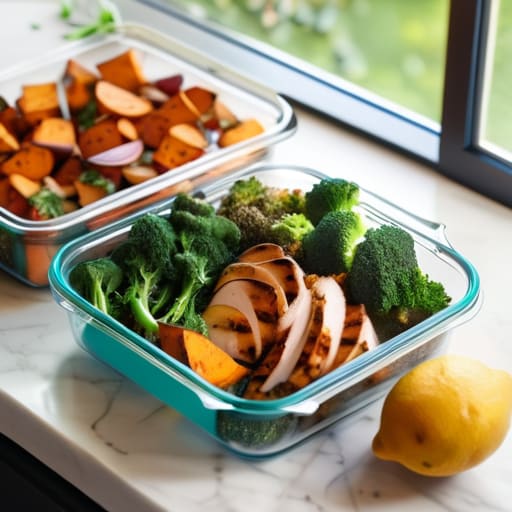
I used to spend my Sunday nights scrolling through aesthetic Pinterest boards, feeling totally defeated by those “meal prep” videos that require $80 worth of matching glass containers and three hours of intense chopping. Honestly, it felt more like a second job than a way to eat better. I realized that most of those complicated tutorials are just performative perfection that nobody actually has the time or the budget for. We need easy meal prep ideas that actually fit into a chaotic work week and a tight bank account, without making us feel like we’re living in a sterile laboratory.
In this post, I’m stripping away all the unnecessary fluff and focusing on what actually works for someone living a real, slightly messy life. I’ve narrowed it down to five practical, low-stress methods that will help you stop relying on expensive, last-minute takeout when you’re exhausted. You’re going to learn how to build a sustainable rhythm in your kitchen using ingredients you probably already have in your pantry. Let’s get into how you can eat well without the stress or the massive grocery bill.
The "Everything" Grain Bowl
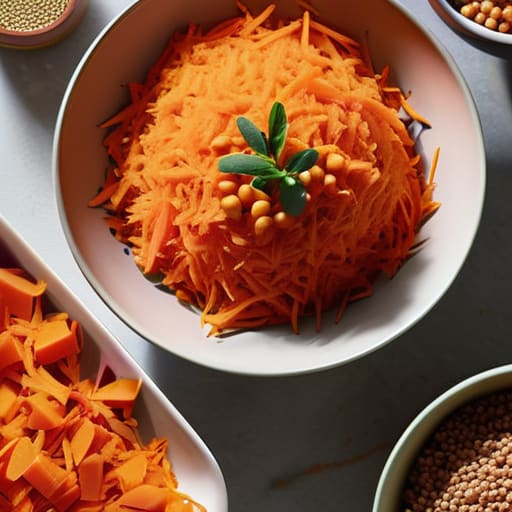
I used to think meal prepping meant spending my entire Sunday assembly-lining identical plastic containers, but that just felt soul-crushing. Now, I just prep a massive batch of whatever grain is on sale—usually quinoa or brown rice—and keep it in a big bowl in the fridge. The trick is to have a few versatile toppings ready to go, like roasted sweet potatoes, canned chickpeas, or even just some shredded carrots.
Sheet Pan Magic
If you’re like me and your kitchen feels a little cramped, you probably don’t want a mountain of pots and pans cluttering your sink. Sheet pan meals are my absolute lifeline because they require minimal cleanup and let you multitask. I’ll just toss some chopped broccoli, sausages, and bell peppers in olive oil and salt, spread them out, and let the oven do the heavy lifting while I finish up some copywriting work.
The Jarred Salad Hack
We’ve all been there: you prep a beautiful salad on Sunday, only to find it’s a soggy, sad mess by Tuesday afternoon. I learned the hard way that dressing is the enemy of freshness if you don’t layer it correctly. Now, I use old mason jars or even just small Tupperware to layer my salads from the bottom up. Put the dressing at the very bottom, then the hearty stuff like cucumbers or chickpeas, and keep the leafy greens at the very top.
Batch-Cooked Protein Bases
Instead of trying to cook a whole new meal every night, I’ve started focusing on prepping just the “heavy lifters”—the proteins. I’ll spend twenty minutes on a Sunday baking a couple of chicken breasts or simmering a big pot of seasoned black beans. Having these ready to grab means I can pivot my meals depending on my mood; one night it’s a taco, and the next it’s a quick protein salad.
Freezer-Friendly Soup Staples
There is nothing quite as depressing as staring into an empty fridge at 7:00 PM on a Tuesday. That’s why I always keep a “emergency stash” of homemade soup or chili in the freezer. I usually make a massive pot of lentil soup or a basic veggie chili whenever I have a spare hour, and then I freeze them in smaller, single-serving portions.
The Bottom Line
Stop trying to mimic those aesthetic Pinterest spreads; if your meal prep is just a few mismatched containers of roasted veggies and grains, you’re doing it right.
Focus on versatility over variety—pick a few solid ingredients that can pivot from a grain bowl to a wrap so you don’t get bored or waste money.
Perfection is the enemy of consistency, so just aim to make your Tuesday self a little bit easier, even if it’s just by chopping an extra onion.
The Reality Check
Look, if you’re feeling overwhelmed by the idea of spending your entire Sunday in the kitchen, please stop. You don’t need a dozen matching glass containers or a grocery haul that costs more than your rent to get this right. Whether you’re just batch-cooking a big pot of grains, roasting a tray of seasonal veggies, or finally mastering that one versatile protein, the goal is simply to reduce the mental load of deciding what to eat when you’re exhausted at 7 PM. It’s about making small, intentional choices—like using what’s already in your pantry—so that you aren’t constantly relying on expensive, overpriced takeout just because you’re too tired to think.
At the end of the day, meal prep shouldn’t feel like another chore on your never-ending to-do list. It’s not about achieving some Instagram-worthy aesthetic of perfectly portioned salads; it’s about building a sustainable rhythm that actually serves your real, messy life. Some weeks you’ll be on top of it, and some weeks you’ll probably just eat cereal for dinner, and honestly? That is perfectly fine. Just start where you are, use what you have, and be kind to yourself in the process. You’re doing better than you think.
Frequently Asked Questions
I don't have a ton of extra kitchen space or fancy containers; can I still do this with just a few basic bowls?
Honestly, please don’t even stress about the container situation. I grew up in a tiny apartment where “kitchen space” was basically a single countertop, so I get it. You absolutely can do this with just a few basic bowls. In fact, I often just prep my ingredients in bowls and then portion them out into whatever is clean when I’m ready to eat. It’s less about the aesthetic and more about the actual food.
How do I keep things from getting boring or tasting like leftovers by Thursday?
The secret is to prep components, not full meals. If you cook a big batch of plain roasted chicken and grains, you aren’t stuck with “leftover chicken” every night. On Monday, it’s a Mediterranean bowl with feta; Wednesday, it’s a quick stir-fry; Friday, you toss it into a quesadilla. Change the sauce, add something crunchy like fresh seeds, or throw in some lime juice. It’s about building a toolkit, not a repetitive menu.
What’s the best way to meal prep if I’m working irregular hours and don't always have a consistent routine?
Honestly, if your schedule is all over the place, stop trying to do the “Sunday Reset” thing. It’s a trap. Instead, try “component prepping.” Don’t cook full meals; just prep versatile building blocks—like a big batch of grains, roasted veggies, or a protein. That way, when you actually have twenty minutes of downtime, you can throw them together in a bowl without feeling like you’re performing a culinary miracle. Keep it flexible, not rigid.