How to Build Wealth Through Consistent, Long-term Growth

I’m so tired of seeing those “aesthetic” finance influencers posting videos of their $5,000 designer hauls while lecturing us about “mindset shifts.” It’s honestly exhausting. They make it feel like you need a massive windfall or a high-six-figure tech job just to even start playing the game. But let’s be real: most of us are just trying to figure out how to pay rent and maybe save a little without living on instant noodles every single night. If you’re looking for a magic pill or a way to get rich by next Tuesday, you’re in the wrong place. I’m here to talk about the unglamorous, slightly boring, but actually effective way to learn how to build wealth slowly without sacrificing your sanity or your soul.
I’m not going to give you a bunch of complex spreadsheets that take three hours to update or suggest you cut out your morning coffee like it’s a sin. Instead, I want to share the realistic, low-maintenance habits I’ve used to build my own safety net while working freelance. We’re going to focus on sustainable, small wins—the kind of stuff that actually fits into a busy, imperfect life. My promise to you is simple: no hype, no judgment, just practical strategies that work for the rest of us.
Frugal Living for Wealth Building Without the Misery
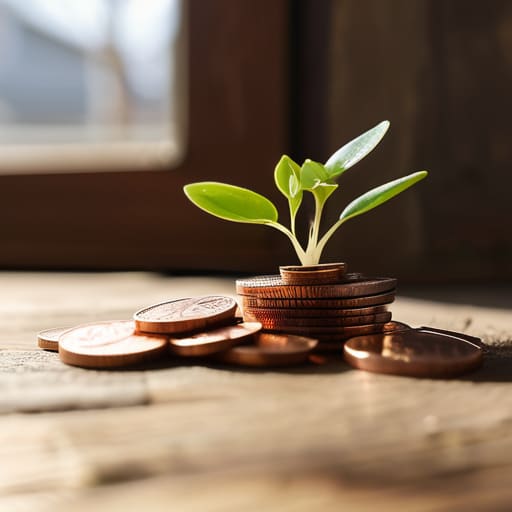
Look, I get it. When people talk about frugality, it usually sounds like a punishment—living on nothing but lentils and sadness just to see a number go up in a bank account. But that’s not how I roll. To me, frugal living for wealth building isn’t about deprivation; it’s about being intentional with where your money actually goes. It’s about realizing that every dollar you don’t blow on a trendy, overpriced gadget is a dollar that can eventually start working for you.
I started small by auditing my own spending—not to cut everything out, but to cut the stuff that didn’t actually add value to my life. I swapped expensive takeout for meal prepping (which is way easier when you aren’t stressed about grocery prices) and started hunting for thrifted finds instead of buying new. This isn’t about being cheap; it’s about practicing delayed gratification in finance. When you stop chasing every temporary dopamine hit from a purchase, you suddenly find you have more breathing room to actually fund your future. It’s much more sustainable when you aren’t constantly feeling like you’re missing out.
Mastering Delayed Gratification in Finance for Real Results
Let’s be real: the hardest part of building wealth isn’t the math; it’s the mental game. We live in a world designed to make us want everything right now—the new tech, the trendy outfit, the takeout because we’re too tired to cook. But if you want to actually see your bank account grow, you have to get comfortable with the “not yet.” Mastering delayed gratification in finance isn’t about punishing yourself or living like a hermit; it’s about deciding that your future self deserves better than a fleeting dopamine hit from a random Amazon purchase.
I used to struggle with this constantly, especially when I’d see someone on my feed living this curated, high-spend lifestyle. But then I started looking at the actual numbers. When you choose to skip the impulse buy and put that money into something more productive, you’re essentially fueling compound interest explained in its simplest, most powerful form. You aren’t just saving money; you’re buying your future freedom. It’s about shifting your mindset from instant satisfaction to long-term stability, and honestly, that feeling of security is way more addictive than any retail therapy session could ever be.
The small, boring moves that actually move the needle
- Audit your “ghost subscriptions” before you audit your lifestyle. I used to feel so guilty about my spending until I realized I was paying $15 a month for a streaming service I haven’t touched since 2022. Canceling those tiny, invisible leaks is the easiest way to find extra cash without actually feeling deprived.
- Treat your savings like a non-negotiable utility bill. I don’t wait until the end of the month to see what’s left over—because let’s be real, nothing is ever left over. Set up an automatic transfer to your savings the same day your paycheck hits. If you never see it in your checking account, you won’t miss it.
- Stop the “lifestyle creep” cycle. When you get a raise or a side hustle bonus, your instinct is to upgrade your life—better coffee, newer clothes, a nicer apartment. Instead, try to keep your living expenses exactly where they are for a few months and divert that extra money straight into your investments.
- Master the art of the “24-hour cooling period.” Most of my impulse buys happen when I’m tired or scrolling late at night. Now, if I see something I want, I force myself to wait a full day before hitting “checkout.” Usually, by the next morning, the urge has passed and my bank account stays intact.
- Invest in “skills over stuff.” A new pair of trendy sneakers loses value the second you wear them, but learning a new software or a freelance skill actually increases your earning potential. Use your extra time or small amounts of cash to become more valuable in your field; that’s the highest ROI you’ll ever find.
The bottom line
Stop trying to optimize every single cent like a math equation; instead, focus on cutting the big, mindless leaks in your budget so you actually have breathing room.
Real wealth isn’t about deprivation—it’s about choosing things that actually add value to your life over the temporary dopamine hit of a mindless impulse buy.
Consistency beats intensity every single time; a small, boring automated savings habit is infinitely more powerful than a one-time “investment” you can’t actually afford.
The Long Game is Worth It
At the end of the day, building wealth isn’t about some overnight miracle or a complicated spreadsheet that takes three hours to update. It’s really just the sum of those small, sometimes boring decisions we make every single day—choosing to cook at home instead of ordering takeout, or deciding that the new trendy gadget isn’t actually a necessity. By focusing on intentional spending and mastering the art of waiting for what you truly want, you’re not just saving pennies; you’re actually buying yourself future freedom. It’s about moving away from the constant pressure to keep up with everyone else and instead building a foundation that is genuinely sustainable for your actual life.
Please don’t feel like you have to have it all figured out by tomorrow morning. There will be weeks where you blow your budget or feel like you’re falling behind, and honestly? That is totally fine. The goal isn’t to be a perfect robot; it’s to be a little bit more mindful than you were yesterday. Wealth is a marathon, not a sprint, and you are allowed to pace yourself. Just keep showing up for your future self, using the tools and the resources you already have, and trust that slow and steady will eventually get you exactly where you need to be.
Frequently Asked Questions
How do I actually start saving when my rent and groceries already take up almost my entire paycheck?
I feel this in my soul. When my rent and groceries are eating my entire paycheck, “saving 20%” feels like a joke. Honestly? Stop trying to hit big numbers and start with the “micro-wins.” I use a rounding app that saves the spare change from my coffee or groceries. It’s tiny, but it’s something. Also, audit your subscriptions—I found two streaming services I wasn’t even using. It’s not glamorous, but it’s a start.
Is it even worth trying to invest small amounts, or should I just wait until I have a "real" amount of money to work with?
Honestly? If you wait until you have a “real” amount of money, you’re basically throwing away the most valuable thing you actually own: time. I used to think I needed a massive windfall to even bother looking at a brokerage account, but that’s a trap. Even if it’s just twenty bucks from a thrift flip or a side gig, getting that money into the market now lets compound interest do the heavy lifting while you sleep. Start small. Just start.
How do I stay motivated to keep saving when it feels like everything is getting more expensive every single week?
Honestly, I get it. It feels like you’re running a race where the finish line keeps moving back every time inflation spikes. When everything feels overpriced, staring at a savings goal can feel totally pointless. My trick? Stop looking at the massive mountain and start looking at the small wins. I track my “micro-savings” in my notebook. Seeing that you saved $20 by skipping a takeout order makes it feel real, even when the world feels expensive.