How to Whip Up a Delicious Stir-fry Using Leftover Ingredients
I am so tired of seeing those “aesthetic” cooking videos where you need a $200 specialized wok, organic dragon fruit, and a literal mountain of pre-cut veggies just to get started. Honestly, if you’re looking for a way to make a meal that feels like a chore because you don’t have a professional chef’s pantry, you’re doing it wrong. Most of the “expert” advice on how to make a stir fry is just a recipe for expensive grocery trips and a sink full of dishes that nobody actually has the energy for on a Tuesday night.
I’m not here to sell you on a lifestyle you can’t afford or a set of ingredients you’ll only use once. Instead, I want to show you how to master this using the random bits of produce wilting in your crisper drawer and the basic condiments already sitting in your cupboard. We’re going to focus on functional, fast cooking that actually tastes good without the performative fluff. I promise to walk you through a method that is completely sustainable for your budget and your sanity, no fancy equipment required.
Smart Vegetable Prep for Stir Fry Without the Stress
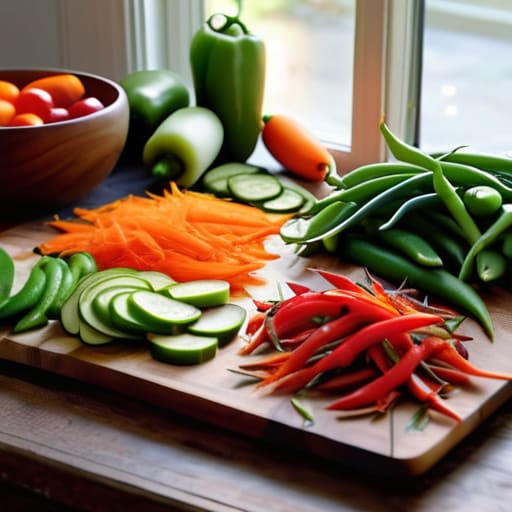
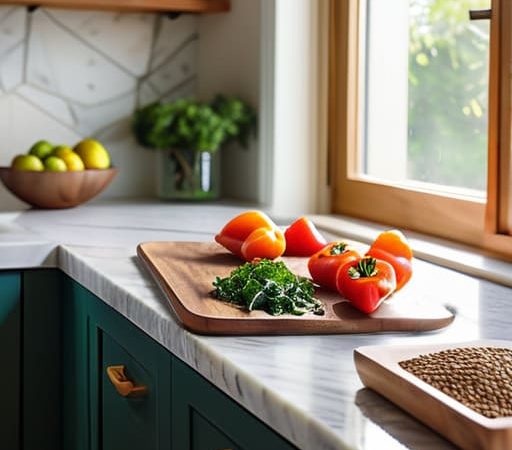
Look, I get it. Standing over a cutting board for forty minutes feels like a chore when you’re already hungry. But the secret to not ending up with a soggy, sad mess is all in the vegetable prep for stir fry. My rule of thumb? Chop everything before you even touch the stove. If you’re waiting for the pan to get hot while you’re still dicing carrots, you’ve already lost the battle. Aim for uniform, bite-sized pieces so everything cooks at roughly the same rate.
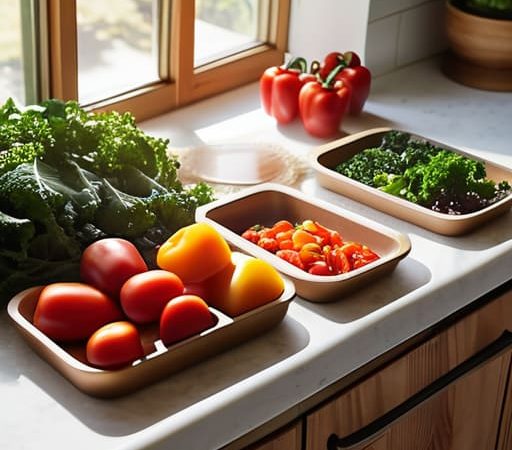
Don’t feel like you need to buy those expensive, pre-cut organic mixes that cost twice as much. Just grab whatever is looking a little limp in your crisper drawer—broccoli stalks, bell peppers, or even those random snap peas. While you’re at it, don’t forget your essential stir fry aromatics. I always keep a small pile of minced garlic and ginger ready to go. Having these prepped and within arm’s reach means you can move fast once the heat is up, which is the whole point of this style of cooking.
Mastering Essential Stir Fry Aromatics From Your Pantry
Now, let’s talk about the stuff that actually makes your kitchen smell like a legit takeout spot: the aromatics. You don’t need a massive shopping list for this; most of the time, you probably already have these sitting in a corner of your pantry or a lonely corner of your crisper drawer. I’m talking about the holy trinity of garlic, ginger, and scallions. If you’re running low on fresh ginger, honestly, just use the powdered stuff from your spice rack—it’s not perfect, but it gets the job done when you’re on a budget.
The trick is all in the timing. You want to toss these essential stir fry aromatics into the pan right before your main ingredients hit the heat. If you throw them in too early with your oil, they’ll burn and turn bitter, which totally ruins the vibe. I like to mince my garlic a bit chunky so it doesn’t disappear into the sauce. Once they start smelling incredible, that’s your cue to move fast. It’s all about building those layers of flavor without making a mess of your pan.
5 Ways to Keep Your Stir Fry From Turning Into a Messy Disaster
- Don’t go in blind. The biggest mistake I used to make was trying to chop veggies while the pan was already smoking. Get everything—the protein, the greens, the sauce—chopped and measured into little piles before you even turn on the stove. Once that heat is on, there’s no turning back.
- Stop obsessing over “authentic” sauces. You don’t need a specialized grocery aisle for this. If you have soy sauce, a splash of vinegar (or lime juice), and something sweet like honey or brown sugar, you’re already halfway there. It’s about the balance of salty and sweet, not the brand name on the bottle.
- High heat is your best friend, but don’t crowd the pan. If you dump a mountain of cold broccoli into a small skillet, it’s just going to steam and get mushy instead of getting those crispy, charred edges. Cook in batches if you have to; it’s better to spend an extra five minutes than to eat a soggy pile of vegetables.
- Use what you have for protein. I’m not talking about sourcing expensive organic steak every Tuesday. Leftover rotisserie chicken, a can of chickpeas, or even some frozen edamame works perfectly. The goal is fuel, not a culinary performance.
- Save your “scraps” for a flavor boost. See those little bits of ginger or garlic skin you’re about to toss? Or maybe a wilted scallion? Throw them in the oil for a minute at the start to infuse the flavor, then fish them out. It’s a tiny, free way to make a budget meal taste like you actually tried.
The Bottom Line: Keep It Simple and Sustainable
Stop waiting for a “perfect” grocery haul; the best stir fry is just whatever veggies are currently looking a little sad in your crisper drawer.
Don’t let a lack of specialized tools stop you—a single heavy pan and a sharp knife are all you actually need to get this done.
Focus on the flavor, not the aesthetic; as long as your aromatics are fragrant and your sauce is salty enough, you’ve already won.
Eat Well, Stress Less
At the end of the day, making a great stir fry isn’t about having a perfectly curated pantry or a professional-grade wok. It’s really just about being resourceful with what you’ve already got. We talked about how to handle those wilting veggies so nothing goes to waste, and how to lean on basic aromatics like garlic and ginger to build actual flavor without breaking the bank. Once you stop worrying about the “correct” way to slice a carrot and start focusing on getting everything in the pan while the heat is high, you’ve already won half the battle. It’s about efficiency, not perfection.
I know some nights, after a long day of work or errands, the idea of “cooking” feels like just another chore on an endless to-do list. But I promise you, there is something so grounding about taking a few random ingredients and turning them into a warm, nourishing meal in under twenty minutes. You don’t need a lifestyle influencer’s kitchen to feed yourself well; you just need a hot pan and the willingness to experiment with what’s available. So, go grab that bag of frozen peas or that half-used onion in the back of the drawer and just start tossing. You’ve got this.
Frequently Asked Questions
I don't have a wok, so can I just use a regular non-stick skillet or a cast iron pan?
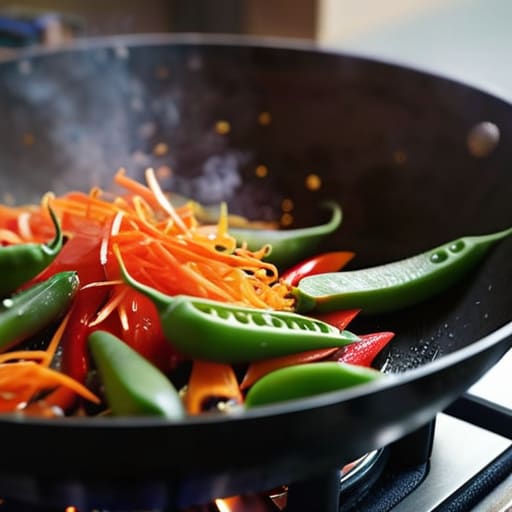
Honestly, don’t even sweat it. You do not need a fancy $100 carbon steel wok to make a decent meal. If you’ve got a cast iron skillet, use that—it holds heat like a beast, which is exactly what you want. A regular non-stick pan works too, just don’t crowd the pan or you’ll end up steaming your veggies instead of searing them. Just work in smaller batches and keep the heat high.
How do I stop my veggies from turning into mush if I'm not a pro at timing everything?
Honestly, the “mush factor” usually happens because we try to dump everything in at once. My rule of thumb? Group your veggies by density. Toss the hard stuff—carrots, broccoli, or bell peppers—in first and let them sweat for a few minutes. Then, add the quick-cooking stuff like spinach or snap peas right at the end. It’s not about being a chef; it’s just about giving the tough stuff a head start.
What can I use instead of soy sauce if I'm running low or just don't have any in the pantry?
Honestly, don’t panic. If you’re staring at an empty soy sauce bottle, you probably have something else in your pantry that can save the day. Coconut aminos are the best swap if you want that same savory vibe without the soy, but honestly? A splash of Worcestershire sauce or even just a heavy pinch of sea salt and a tiny bit of balsamic vinegar can mimic that depth. It won’t be perfect, but it’ll taste great.