Quick Breathing Techniques to Instantly Lower Stress
I was sitting on my floor last Tuesday, surrounded by half-stripped vintage chair legs and a mountain of unpaid freelance invoices, feeling that familiar, tight knot tightening in my chest. I looked at my phone and saw another ad for a “premium mindfulness app” promising to fix my life for $14.99 a month, and honestly? I just wanted to throw it across the room. We’ve been sold this idea that managing anxiety requires a curated aesthetic, expensive yoga retreats, or a high-tech gadget, but the truth is that most of those fancy breathing exercises for stress are just overpriced noise.
I’m not here to sell you a subscription or tell you to sit in a silent Himalayan cave for three hours. I want to talk about the stuff that actually works when you’re stuck in a cramped apartment with a deadline looming and zero budget for a spa day. I’m going to share the low-effort, high-impact techniques I use to reset my nervous system when things feel like they’re spiraling. No fluff, no performative perfection—just a few practical ways to find your center using nothing but the air already in your lungs.
Mastering Box Breathing for Anxiety Relief Right Where You Are
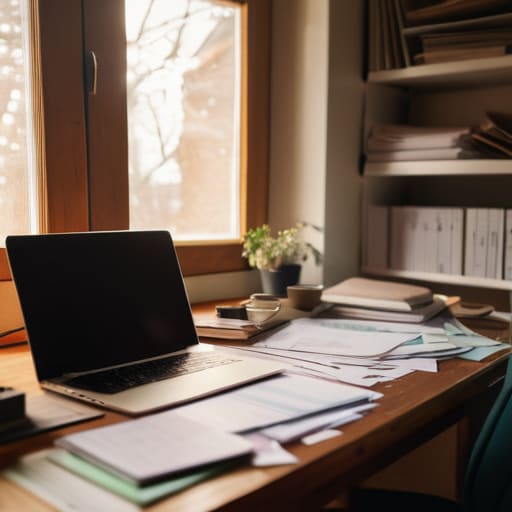
I used to think I needed a yoga studio and a $100 mat to “find my center,” but honestly? Most of the time, I’m just sitting at my desk with a mounting pile of freelance deadlines and a racing heart. That’s when I lean on box breathing for anxiety relief. It’s a total game-changer because it’s invisible. You can do it in the middle of a grocery store aisle or during a tense Zoom call, and nobody will ever know you’re actually working on yourself.
The technique is dead simple: inhale for four counts, hold for four, exhale for four, and hold again for four. By forcing that rhythmic pattern, you’re essentially hacking your biology to trigger parasympathetic nervous system activation. It tells your brain, “Hey, we aren’t actually being chased by a predator; we’re just stressed about an email.” It’s not about achieving some mystical state of Zen; it’s about physically forcing your body to exit fight-or-flight mode so you can actually think straight again.
The Science of Parasympathetic Nervous System Activation Made Simple
Look, I’m not a doctor, and I’m definitely not here to bore you with a lecture that sounds like a textbook. But there is actually a pretty cool reason why these techniques work, and it’s not just “vibes.” When you’re spiraling, your body is stuck in fight-or-flight mode. Your heart is racing, your chest feels tight, and your brain is convinced there’s a literal threat in the room. What we’re actually aiming for is parasympathetic nervous system activation, which is basically just the fancy biological way of saying “flipping the switch from panic to peace.”
Think of it like a manual override for your brain. When you intentionally slow down your breath—specifically by focusing on those diaphragmatic breathing benefits—you’re sending a direct signal to your brain that you are, in fact, safe. You aren’t just “calming down”; you are physically forcing your nervous system to exit the alarm state. It’s one of the few ways you can actually control rapid breathing and regain your footing without needing a prescription or a pricey therapist session. It’s biology, not magic.
Real-world ways to actually use these breaths when life gets messy
- Stop waiting for a “zen moment” to practice. If you try to do deep breathing only when you’re mid-panic attack, it won’t work. Try doing a few rounds while you’re waiting for your coffee to brew or sitting on the bus. You have to train the muscle when things are calm so it actually shows up when things get chaotic.
- Forget the fancy apps if they feel performative. Honestly, sometimes just placing one hand on your chest and one on your belly is more effective than any $15-a-month subscription. You just need to feel the physical movement of your breath to ground yourself.
- Don’t worry about “doing it right” or looking like a yoga influencer. If your breath feels shaky or shallow at first, that’s fine. It’s not a performance; it’s just you trying to reset. If you can only manage two deep inhales before you lose focus, count that as a win.
- Use your environment to anchor yourself. When you’re doing these exercises, try to notice one thing you can smell or one thing you can touch—like the texture of your thrifted sweater or the cool air from a window. It keeps your brain from spiraling back into whatever stressor you’re trying to escape.
- Keep it short and sustainable. I used to think I needed twenty minutes of silent meditation to feel better, but that was just setting myself up for failure. Sometimes, three intentional, heavy exhales are enough to stop a spiral. Aim for consistency over intensity, always.
The lowdown on making this actually stick
Stop waiting for a “perfect moment” to de-stress; you don’t need a yoga mat or a quiet room to breathe—you just need thirty seconds and your own lungs.
Focus on the physical sensation of your breath rather than trying to “clear your mind,” because fighting your thoughts is just more work you don’t need right now.
Treat these exercises like a tool in your kit, not a chore on your to-do list; use them when things feel heavy, not just when you have the energy to be “mindful.”
Real relief doesn't need a subscription
Look, we’ve covered a lot, from the mechanics of how your nervous system actually functions to the literal rhythm of box breathing. The main takeaway I want you to hold onto is that you don’t need a $50 yoga mat or a silent retreat in the mountains to reset your brain. Whether you’re using deep belly breaths to signal safety to your body or employing specific patterns to stop a spiral in its tracks, the tools are already inside you. You don’t need to buy anything new to find your center; you just need to stop and actually use the breath you’ve been taking subconsciously all day.
At the end of the day, I know how overwhelming it feels when life feels like it’s moving at a thousand miles per hour and your anxiety is trying to keep pace. But please, stop waiting for the “perfect moment” to feel calm. Perfection is a lie that only makes us more stressed. Instead, aim for functional peace—the kind you can find in the middle of a grocery aisle or while sitting in traffic. It won’t be a permanent fix, and that’s okay. Just focus on taking one intentional breath at a time, and let that be enough for right now.
Frequently Asked Questions
Do I actually have to sit still in a dark room for this to work, or can I do it while I'm stuck in traffic?
Honestly? Absolutely not. If I had to sit in a dark, silent room every time I felt overwhelmed, I’d never get anything done. I’ve done box breathing while stuck in bumper-to-bumper traffic and even while weeding the community garden. The whole point is to make this work for your actual, messy life. As long as you’re focusing on the rhythm of your breath, you can do it anywhere—even in a crowded subway car.
How long do I really need to keep doing these exercises before I actually start feeling less stressed?
Look, I get it. You want the relief now. If you’re just looking for a quick physiological reset, a few rounds of box breathing can actually lower your heart rate in a matter of minutes. But if you’re asking when your baseline stress level will actually shift? That takes consistency. Think of it like tending a garden; you don’t see growth after one watering. Aim for daily practice over weeks to see a real, lasting change.
Is there a way to do this without looking like a total weirdo in the middle of a busy office or a grocery store?
Look, I get it. I’ve definitely had that moment in the middle of a grocery aisle where I felt like everyone was staring because I was doing some intense “zen” thing. Honestly? You don’t need to close your eyes or sit cross-legged. Just focus on making your exhales slightly longer than your inhales while you’re typing or walking. It’s basically invisible. No one knows you’re hacking your nervous system; they just think you’re focused.