The Science and Practice of Cultivating Gratitude

I’m so tired of seeing those perfectly curated “gratitude journals” all over my feed—you know the ones, with the gold-leafed edges and the linen covers that cost more than my weekly grocery budget. It feels like we’ve been sold this idea that you can’t actually find peace unless you’re sitting in a sun-drenched nook, performing a ritual with expensive stationery. Honestly, if you’re waiting for a $40 notebook to teach you how to practice gratitude, you’re just buying into a lifestyle aesthetic that doesn’t actually exist in the real world. Real life is messy, cramped, and usually happens while you’re scrubbing a thrifted coffee table or waiting for the bus in the rain.
I’m not here to sell you a performative wellness routine or a way to “manifest” your way out of a bad mood. Instead, I want to share what actually works when you’re living a real, unpolished life. I’m going to show you how to find those small, gritty moments of appreciation using nothing more than your own brain and whatever scrap of paper you have lying around. We’re going to focus on sustainable, zero-cost habits that actually stick, because gratitude shouldn’t be another chore on your to-do list.
Daily Gratitude Journal Prompts That Actually Work
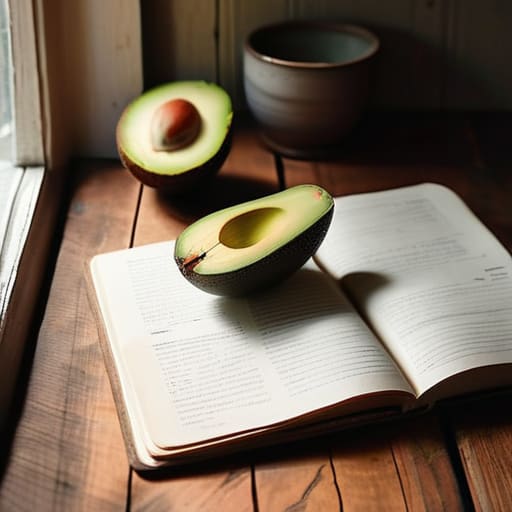
Look, if you sit down with a blank page expecting a profound spiritual awakening, you’re probably going to stare at the paper until you want to scream. Most of the “aesthetic” prompts you see online feel like homework. Instead of trying to list “the universe” or “the beauty of existence,” I like to keep things grounded in my actual, messy reality. I use daily gratitude journal prompts that focus on the small, tactile wins. Did you find a decent avocado at the market? Did your thrifted chair finally stop wobbling? Write that down. It sounds silly, but those tiny moments are what actually help with cultivating a positive mindset when everything else feels chaotic.
If you’re feeling particularly overwhelmed, I suggest leaning into gratitude exercises for anxiety relief by focusing on your immediate senses. Don’t aim for big life achievements; aim for “the way the sun hit my desk at 3 PM” or “that first sip of coffee that didn’t burn my tongue.” It’s about training your brain to notice the things that don’t suck, rather than waiting for a huge milestone to feel okay.
Scientific Benefits of Expressing Thanks Without the Fluff
Look, I’m not here to sell you some pseudo-spiritual nonsense about “vibrating higher.” I’m a science nerd at heart, and the actual scientific benefits of expressing thanks are pretty grounded in biology. When you take a second to acknowledge something good, your brain literally releases dopamine and serotonin. These aren’t just fancy buzzwords; they are the neurochemicals responsible for making you feel stable and content. It’s less about magic and more about rewiring your brain’s default setting from scanning for threats to noticing what’s actually working.
I used to think practicing gratitude was just a way to sugarcoat a bad day, but it’s actually a legit tool for cultivating a positive mindset even when things feel messy. Research shows that consistent practice can lower cortisol levels, which is huge if you’re someone who constantly feels on edge. Instead of waiting for a massive life win, you’re training your nervous system to recognize small, steady wins. It’s basically low-cost maintenance for your brain, and honestly, it’s one of the few things that doesn’t require a subscription fee to work.
Real-Life Ways to Practice Gratitude (Without the Performative Fluff)
- Stop waiting for the big wins. If you only try to feel grateful when you get a promotion or a huge windfall, you’re going to feel like a failure most of the time. Focus on the tiny, mundane stuff—like finding a decent parking spot or that first sip of coffee when the apartment is actually quiet.
- Ditch the expensive, gold-leafed journals. I have a drawer full of half-used planners and aesthetic notebooks that I felt too guilty to “mess up.” Just use a scrap of paper, a notes app, or the back of a receipt. The medium doesn’t matter; the habit does.
- Try “negative visualization” when you’re feeling stuck. It sounds grim, but it works. Instead of forcing yourself to find something “amazing,” just think about how much worse things could be. It’s a quick way to realize that, despite the chaos, your current situation isn’t actually a disaster.
- Connect your gratitude to people, not just things. It’s easy to be thankful for a good meal, but it feels a lot more grounding to acknowledge the person who grew the food or the friend who sent you a meme when you were having a rough Tuesday. It pulls you out of your own head.
- Make it a low-stakes ritual. Don’t turn it into another “productivity hack” that feels like a chore on your to-do list. Do it while you’re brushing your teeth or waiting for the kettle to boil. If it feels like homework, you won’t do it, and that’s fine.
The TL;DR on Not Making Gratitude a Chore
Ditch the $40 linen-bound journals; if a scrap of paper or a random note on your phone works for you, use that instead.
Focus on the small, unglamorous wins—like a decent cup of coffee or catching the bus on time—rather than waiting for big, life-changing moments to feel thankful.
Consistency beats intensity every single time; three seconds of genuine thought is better than twenty minutes of performative writing that you end up hating.
Stop Waiting for the "Perfect" Moment
Look, we’ve covered a lot, and I know it can feel like just another thing on your to-do list. But if you take anything away from this, let it be that gratitude doesn’t need to be a thirty-minute ritual involving expensive linen journals or a curated sunset view. Whether you’re using the quick prompts we talked about or just acknowledging that your coffee actually tasted decent this morning, the goal is consistency over intensity. You don’t need to overhaul your entire psyche; you just need to stop overlooking the small, functional wins that keep you going. It’s about finding the value in the messy, uncurated parts of your day instead of waiting for a life that looks like a filtered photo.
At the end of the day, gratitude is a muscle, not a mood. Some days it’s going to feel easy, and other days—like when you’re stuck in traffic or your budget is tight—it’s going to feel like a massive chore. That’s fine. Just show up for yourself in whatever way is actually sustainable. You don’t owe the world a performative display of happiness; you just owe yourself the chance to notice that things aren’t always as bad as they feel. Start small, keep it real, and just focus on what’s working right now.
Frequently Asked Questions
What do I do when everything feels like a mess and I can't find anything to be grateful for?
Look, I’ve been there. Some days, the sink is overflowing, my bank account is looking sad, and “gratitude” feels like a joke. When everything feels like a mess, stop trying to find the big, life-changing wins. They aren’t coming today. Instead, go microscopic. I’m talking about the way the coffee actually tasted, or that the bus was on time, or that my favorite thrifted sweater is clean. Just find one thing that didn’t suck. That’s enough.
Do I really need to write these things down, or does just thinking about them count?
Look, I get it. If you’re having a busy day, sitting down with a fountain pen feels like a chore. Honestly? Thinking about it counts, and it’s better than doing nothing at all. But there’s something about the physical act of writing—even if it’s just a messy list in your notebook—that forces your brain to slow down and actually process the thought. It turns a fleeting feeling into something real.
How am I supposed to make this a habit without it feeling like just another chore on my to-do list?
Look, I get it. If it feels like another box to check, you’re going to bail on it by Tuesday. The trick is to stop treating gratitude like a formal assignment. Don’t wait for a “moment” or a quiet desk. Tie it to something you’re already doing—like sipping your morning coffee or waiting for the kettle to boil. Just one thought, no fancy pen required. If it feels like work, you’re doing too much.