The Ultimate Guide to Juicy, Never-dry Chicken Breast
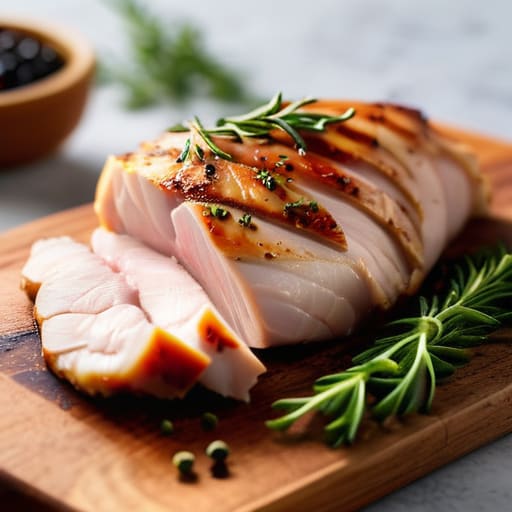
I am so tired of seeing those “aesthetic” cooking videos where someone uses a $200 sous-vide machine and a dozen specialized spices just to make a single piece of protein. Honestly, if you need a culinary degree and a massive budget just to figure out how to cook chicken breast without it turning into a dry, flavorless sponge, then the system is broken. I spent way too many years in a tiny apartment eating sad, rubbery chicken because I thought I needed fancy gadgets to do it right. Newsflash: you don’t.
I’m not here to sell you on a lifestyle you can’t afford or a recipe that requires a trip to a specialty grocery store. Instead, I’m going to show you how to master this staple using the basic tools you already have in your kitchen and some very simple, realistic techniques. My goal is to help you cook juicy, delicious chicken that actually fits into your real-life routine and your budget. Let’s skip the performative nonsense and just get into what actually works.
Mastering the Pan Seared Chicken Breast Method Without the Stress
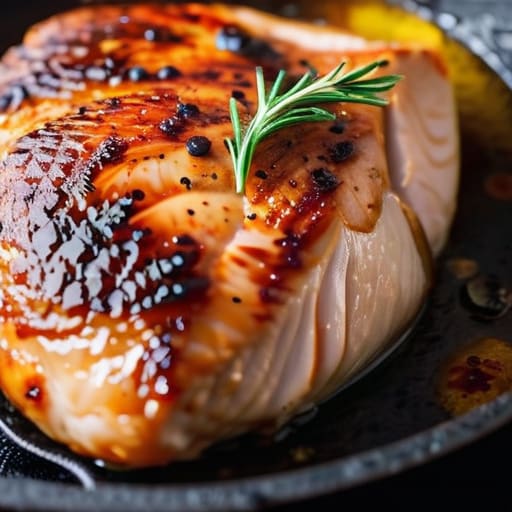
Look, I get it. Most recipes make it sound like you need a chemistry degree and a kitchen full of gadgets just to get through a Tuesday night dinner. But the pan-seared chicken breast method is actually my go-to because it’s fast, uses one pan, and doesn’t require me to preheat a massive oven for a single meal. The secret isn’t some expensive marinade; it’s all about heat management. If you crank the stove to high immediately, you’ll end up with a charred exterior and a raw middle, which is just frustrating. Start with medium heat and let that golden crust form naturally.
The real struggle is preventing dry chicken breast once you take it off the heat. I used to make the mistake of cutting into it immediately to “check” if it was done, which just lets all the juices escape. Instead, let it rest for five minutes. If you’re still nervous, use a cheap meat thermometer to check the internal temperature for chicken—aim for 165°F (74°C). Once you nail that timing, you’ll stop treating protein like a chore and start actually enjoying your meal.
Simple Chicken Breast Seasoning Ideas Using Your Pantry Staples
Look, we need to stop acting like we need a $40 boutique spice blend just to make dinner edible. Most of the time, your pantry is already sitting on a goldmine of flavor. If you’re tired of that bland, cardboard-like texture, the secret isn’t a fancy ingredient; it’s just being intentional with what you have. My go-to is a heavy hand with smoked paprika, garlic powder, and onion powder. It gives you that deep, savory crust without needing a single specialty item. If you’re feeling a bit more adventurous, a squeeze of lemon and some dried oregano can completely transform a basic meal into something that actually feels intentional.
The real trick to preventing dry chicken breast isn’t just the seasoning, though—it’s about not being afraid of salt. Salt helps the moisture stay locked in while it cooks. I usually mix my dry spices with a little olive oil to create a paste before rubbing it on. This helps the flavors penetrate deeper and ensures you aren’t just seasoning the surface. Whether you’re using the pan-seared chicken breast method or tossing it in the oven, these simple chicken breast seasoning ideas will save your dinner (and your grocery budget) every single time.
5 Ways to Stop Eating Dry, Sad Chicken
- Stop treating your chicken like it’s indestructible. If you’re working with thin, grocery-store breasts, they cook in a heartbeat. I’ve learned the hard way that if you leave them in the pan for even two minutes too long, you’re basically eating flavored cardboard.
- Invest in a cheap digital meat thermometer. I know, I know—it feels like extra “stuff” to manage, but it’s the only way to actually know when the chicken is done without hacking it open and letting all the juices escape. Aim for 165°F and call it a day.
- Don’t skip the resting phase. This is the part everyone ignores because they’re hungry, but if you cut into that chicken the second it hits the plate, all that moisture just runs out. Give it five minutes on the cutting board to settle so it actually stays juicy.
- Flatten things out. Most chicken breasts are shaped like a weird, uneven mountain, which means one side is burnt while the other is raw. Use the bottom of a heavy jar or a meat mallet to even out the thickness so everything cooks at the same rate.
- Use what you have to make a quick pan sauce. Instead of buying expensive bottled sauces, just throw a splash of broth, some leftover veggie scraps, or even a bit of mustard into the pan once the chicken is out. It uses the leftover bits in the pan and makes a “fancy” meal for basically zero extra cost.
The Bottom Line on Stress-Free Chicken
Stop chasing the “perfect” aesthetic; as long as your chicken is cooked through and seasoned with whatever is in your pantry, you’ve won.
You don’t need a thermometer or a sous-vide machine to get decent results—a basic pan and a little patience are all you actually need.
Focus on versatility by mastering a few simple seasoning combos so you can keep your grocery list short and your meals from getting boring.
Stop Overthinking Your Dinner
At the end of the day, cooking a decent piece of chicken shouldn’t feel like a high-stakes chemistry experiment. We’ve covered how to nail that pan-sear without turning your kitchen into a smoke zone, and we’ve looked at how to make things taste actually good using nothing but the spices already sitting in your cabinet. You don’t need a $200 thermometer or a collection of artisanal salts to get a meal on the table that satisfies. Just remember: high heat, a little patience, and decent seasoning are really all you need to stop relying on expensive, processed takeout and start eating like an adult.
I know that when you’ve had a long day, the last thing you want to do is face a stove, but I promise that mastering these small, functional skills makes a massive difference in your mental headspace and your bank account. There is something so grounding about feeding yourself a real, nutritious meal that you made from scratch with minimal effort. Don’t aim for a Michelin-star presentation; just aim for something that tastes good and keeps you fueled. You’ve got this, and your future, less-stressed self will definitely thank you.
Frequently Asked Questions
How do I tell if it's actually done without relying on a thermometer every single time?
Look, I get it. I don’t always want to wash a thermometer mid-meal. If you’re skipping the gadget, use the “touch test.” Press the center of the chicken; if it feels soft and squishy like your cheek, it’s raw. If it feels firm and bouncy, like the fleshy part of your palm right below your thumb, it’s ready. Just slice into the thickest part to check for clear juices—if it’s pink, give it two more minutes.
Is there a way to prep these ahead of time for the week without them turning into dry, rubbery bricks by Wednesday?
Honestly, the “dry brick” struggle is real. If you’re meal prepping, stop overcooking them in the initial stage. Pull them off the heat just before they look done; they’ll finish cooking while they rest. Also, let them cool completely before sealing them in containers—trapped steam is what turns chicken into rubber. Pro tip: slice them up and store them in a little bit of leftover cooking juices or a splash of broth to keep things moist.
What do I do if I accidentally overcook it and end up with something that feels like eating a sponge?
Look, we’ve all been there. You get distracted by a text or a podcast, and suddenly your dinner is a literal sponge. Don’t toss it in the trash—that’s just wasting money. Slice it thin and toss it into a quick soup, or mix it with a little Greek yogurt or avocado to add some much-needed moisture. It’s not a gourmet meal, but it’s better than letting good protein go to waste.