Essential Pantry Items for Endless Meal Possibilities
I used to think that being a “good cook” meant having a kitchen stocked with every niche, expensive spice and artisanal oil you see in those aesthetic TikTok videos. But after years of living in tiny apartments and trying to stretch a freelance paycheck, I realized that most of that stuff just sits there gathering dust. The real secret isn’t about having a gourmet collection; it’s about knowing which pantry staples to always have so you aren’t staring blankly at an empty fridge at 7:00 PM. When you actually focus on the basics, you stop wasting money on things you’ll never use and start building a kitchen that actually works for you.
In this post, I’m stripping away the fluff and sharing the five absolute essentials that keep me fed and sane. These aren’t fancy or hard to find; they are the heavy lifters that make meal prepping feel less like a chore and more like a win. I’m going to show you how these five items can transform a handful of random ingredients into a real meal, helping you save money without sacrificing flavor. Let’s get into the stuff that actually deserves its spot in your cupboard.
The Humble Canned Bean
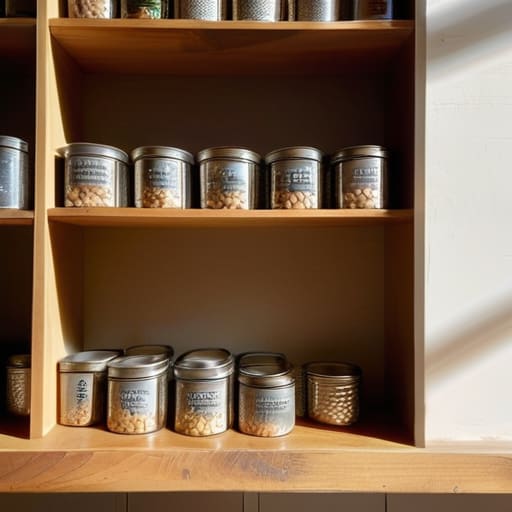
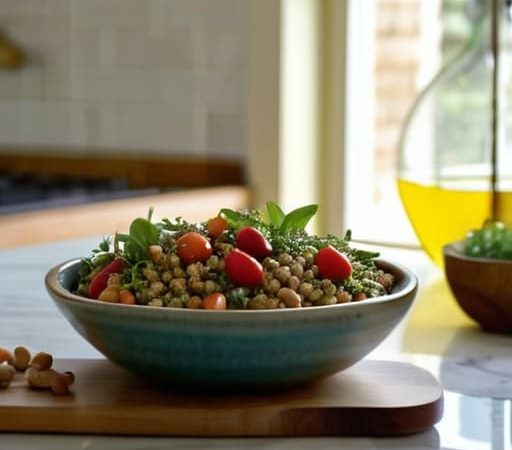
I used to think that having a “real” pantry meant stocking up on expensive organic grains that I’d eventually forget about. Then I realized that a few cans of chickpeas or black beans are basically culinary insurance. They are incredibly cheap, they don’t expire if you leave them alone for a month, and they provide that much-needed protein hit when I’m too tired to actually cook a full meal.
Good Quality Olive Oil
If there is one place where I think it’s actually worth spending a few extra dollars, it’s on a decent bottle of olive oil. You don’t need the gold-leafed, artisanal stuff that costs thirty bucks, but you also don’t want that weird, bitter vegetable oil that makes everything taste flat. A solid, mid-range extra virgin olive oil is the backbone of almost everything I make, from simple pasta to roasted veggies.
Dried Pasta (The Reliable Classic)
I have a love-hate relationship with the “aesthetic” pasta trends on social media, but honestly? I just want something that’s easy to boil. Dried pasta is the ultimate functional staple because it’s practically indestructible. It sits in the back of my cupboard for months, and whenever I have a long day of freelance writing and my brain is fried, I know I can have a hot meal on the table in ten minutes.
Long-Grain Rice
Rice is the unsung hero of my kitchen, mostly because it’s so incredibly versatile. I grew up seeing how much you can do with just a bag of rice and a few spices, and that stuck with me. It’s the perfect canvas for whatever is happening in your life—whether you’re making a quick stir-fry with leftover veggies or just need a side dish to make a small portion of protein feel more filling.
Versatile Spices (Start with the Basics)
You don’t need a spice rack that looks like a professional chef’s kitchen, but you do need a few heavy hitters. I’m talking about things like garlic powder, smoked paprika, and maybe some crushed red pepper flakes. These are the tools that turn “bland food” into “actually edible food” without requiring you to go out and buy a dozen different fresh herbs that will just wilt in your crisper drawer.
The Bottom Line: Keeping It Simple
Stop chasing the “perfect” aesthetic pantry; focus on buying versatile basics that actually show up in your weekly meals.
Always check your current inventory before hitting the store so you don’t end up with three extra jars of something you already have.
Building a reliable pantry isn’t about spending a lot upfront, it’s about making sure you always have a functional fallback when you’re too tired to meal prep.
Stop Overthinking Your Kitchen
At the end of the day, you don’t need a kitchen that looks like a staged showroom or a collection of rare, expensive spices that you’ll only use once. Building a solid pantry is really just about having those reliable lifesavers—like grains, legumes, and versatile oils—ready to go when you’re too tired to grocery shop. It’s about moving away from that “all or nothing” mindset and realizing that having the basics is more than enough to get you through a busy week. When you focus on these functional essentials, you’re not just saving money; you’re actually reducing the mental load of deciding what to eat every single night.
I know it can feel overwhelming when you see those perfectly curated pantry aesthetic videos online, but please, ignore them. Real life is a little messy, and your kitchen doesn’t need to be a masterpiece to be useful. The goal here isn’t perfection; it’s about creating a little bit of stability and ease in your daily routine. Start small, buy what you actually eat, and stop feeling guilty about not having everything at once. You’re doing great, and honestly, keeping it simple is the most sustainable way to live.
Frequently Asked Questions
How do I know if my staples are actually still good to eat or if I'm just hoarding expired cans?
Look, I’ve definitely been there—staring at a can of beans like it’s a ticking time bomb. Honestly? Most dry goods like rice or pasta are fine way past the “best by” date; that’s just a quality suggestion, not a safety warning. For canned stuff, if the lid is bulging or it smells funky when you open it, toss it immediately. If it looks and smells normal, you’re usually good to go.
Is there a way to build this list out without spending a fortune on a single grocery run?
Honestly, the secret is to stop trying to “stock up” all at once. That’s how you end up with a $200 receipt and a sense of guilt. Instead, treat it like a rolling inventory. Buy one or two items each time you’re already at the store. If you’re grabbing pasta, toss in a jar of marinara or a bag of lentils. It’s slower, but your bank account—and your stress levels—will actually thank you.
How much of each item should I actually keep on hand so I don't end up with a cluttered pantry?
Look, the last thing I want is a pantry that feels like a cluttered warehouse. I’m a big believer in “enough, not extra.” For things like grains or pasta, aim for one or two unopened bags/boxes at a time. For liquids like oils or vinegars, just keep one bottle in use and one backup. If you’re buying in bulk, make sure you actually have a dedicated, airtight spot for it. Don’t hoard; just stock for reality.