Eating Well Without Breaking the Bank
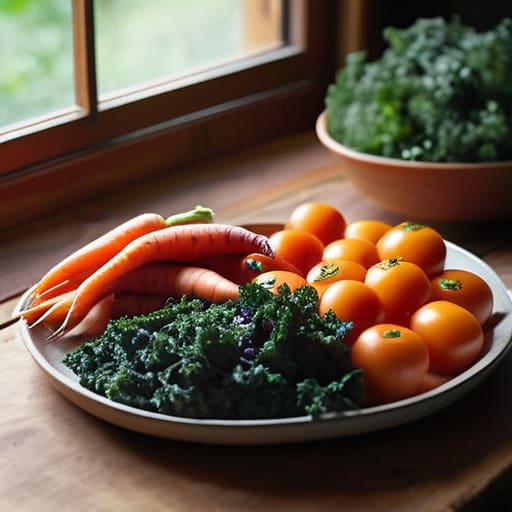
I am so tired of seeing those “aesthetic” grocery hauls on my feed—you know the ones, where someone spends $200 on organic dragon fruit, artisanal sourdough, and tiny jars of expensive nut butter just to look effortless. It’s total nonsense. If you’re trying to master healthy eating on a budget, you don’t need a curated pantry or a membership to a high-end co-op to actually feel good. Honestly, most of that “wellness” content is just performative consumerism disguised as self-care, and it’s making us all feel like we’re failing just because we can’t afford a $14 smoothie.
I’m not here to sell you on some miracle supplement or a complicated meal prep system that requires five different specialized Tupperware sets. Instead, I want to share the real-world tactics I’ve used while living in cramped apartments and stretching every single dollar. We’re going to talk about how to make basic, affordable staples actually taste amazing and how to shop with intention without losing your mind. This is about building a routine that is functional, sustainable, and actually fits your life, not some influencer’s fantasy.
Mastering Grocery Shopping on a Budget Without the Stress
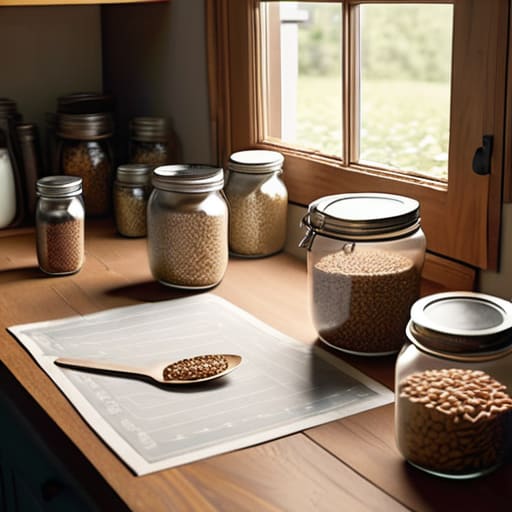
The biggest mistake I see people making is walking into a grocery store without a plan and expecting to come out with a balanced haul. That’s how you end up with a cart full of expensive, pre-packaged “health foods” that cost way too much and leave you hungry two hours later. Instead, I’ve learned to treat my grocery list like a survival guide. I always check my pantry first to see what I’m actually missing, and I prioritize bulk buying healthy staples like lentils, oats, and brown rice. These items are the backbone of my meals because they’re cheap, shelf-stable, and actually keep me full.
I also try to lean heavily into seasonal produce benefits whenever I can. Buying strawberries in January is a fast track to a drained bank account and mediocre flavor. If you stick to what’s actually in season, you’re getting more nutrients for a fraction of the price. It’s not about being a math genius; it’s just about being intentional with where your money goes. If it’s not on the list and it isn’t a basic necessity, it stays on the shelf.
Finding Low Cost Nutrient Dense Foods in Every Aisle
Once you’ve nailed your shopping strategy, the real game is knowing what to actually put in your cart. I used to fall into the trap of thinking “healthy” meant buying those $12 bags of organic chia seeds or pre-cut kale bowls, but that’s just a fast track to an empty bank account. Instead, I focus on low cost nutrient dense foods that actually fill you up. Think about the heavy hitters: lentils, chickpeas, oats, and eggs. These are the backbone of my kitchen because they’re incredibly versatile and won’t leave you feeling depleted by Tuesday.
Don’t sleep on the frozen aisle, either. Frozen spinach or berries are often more nutritious than the “fresh” stuff that’s been sitting in a truck for a week, and they’re way cheaper. When it comes to produce, I always look for the seasonal produce benefits—buying what’s in season naturally keeps prices down and the flavor up. If you can, try some bulk buying healthy staples like quinoa or brown rice from the bulk bins; it’s a total game-changer for your wallet and helps cut down on unnecessary packaging.
My Low-Key Rules for Making Food Work for You (Not Your Bank Account)
- Stop treating “meal prep” like a Pinterest aesthetic. You don’t need a dozen matching glass containers and five hours on a Sunday. I just cook a big batch of grains or roasted veggies when I actually have the energy, and then I mix and match them throughout the week so I don’t lose my mind.
- Learn to love the frozen aisle. I used to feel weird about it, but honestly, frozen spinach and berries are often more nutrient-dense than the “fresh” stuff that’s been sitting in a truck for a week, and they won’t turn into a science experiment in your crisper drawer.
- Embrace the “pantry staple” rotation. Most of my best meals come from a can of chickpeas, some spices, and whatever wilted veg I have left. If you master the art of the grain bowl or a basic lentil stew, you’re basically recession-proof.
- Shop your own kitchen before you hit the store. I started keeping a little list in my notebook of what I actually have left in the back of the cupboard. It sounds tedious, but it stops that cycle of buying a second jar of cumin when you already have three hiding in the pantry.
- Ditch the “convenience” tax. Pre-cut fruit and bagged salads are fine if you’re truly desperate, but you’re paying a massive markup for someone else to use a knife. Buy the whole head of lettuce and the block of cheese; it takes five extra minutes, but it saves enough money to actually buy more groceries later.
The Bottom Line: Eating Well Without the Burnout
Stop chasing “superfoods” and start focusing on staples; a bag of lentils and some frozen spinach will do more for your body (and your bank account) than any overpriced acai powder.
Treat your grocery list like a blueprint, not a suggestion—sticking to what you actually need prevents that mid-week impulse buy that ends up rotting in your crisper drawer.
Prioritize versatility over novelty; if a single ingredient can work in three different meals, you’re winning at both nutrition and waste reduction.
Keeping It Real in the Kitchen
At the end of the day, eating well doesn’t mean you need a massive organic haul or a kitchen full of specialized gadgets. It’s about the small, intentional shifts—like actually checking your pantry before you head to the store, leaning into those cheaper, nutrient-dense staples like beans and frozen veggies, and refusing to fall for the marketing hype that says health has to be expensive. We’ve covered how to navigate the aisles and find the real value in every section, but the most important part is just starting with what you have. You don’t need a complete pantry overhaul to make a difference; you just need a plan that works for your actual life and your actual bank account.
I know it can feel overwhelming when you’re staring at a grocery receipt that feels way too high for what you actually got, but please be kind to yourself. There will be weeks where you nail the meal prep and weeks where you end up eating toast for dinner because you’re exhausted. That is totally fine. Real wellness isn’t about achieving some flawless, aesthetic lifestyle you saw on a curated feed; it’s about building habits that are sustainable and actually make you feel fueled. Focus on the progress, not the perfection, and remember that you are doing better than you think.
Frequently Asked Questions
How do I actually meal prep for the week without spending my entire Sunday in the kitchen?
Look, the “Sunday Scaries” are real, and spending five hours hovering over a stove is not a sustainable way to live. I stopped trying to cook massive, elaborate recipes every weekend. Instead, I focus on “component prepping.” I’ll roast a big tray of veggies, boil some grains, and prep one versatile protein. That’s it. You aren’t making meals; you’re making building blocks. It takes forty minutes, and you can actually enjoy your Sunday.
Is it even possible to get enough protein if I'm sticking to cheap, plant-based staples?
Honestly, I used to stress about this constantly. But once I stopped looking at expensive meat replacements and started focusing on the basics, it got so much easier. Lentils, chickpeas, and black beans are my absolute lifesavers—they’re dirt cheap and incredibly filling. Throw in some oats, peanut butter, or even just some nutritional yeast, and you’re golden. You don’t need a “superfood” budget to hit your protein goals; you just need a solid pantry.
What do I do with all the leftover produce that goes bad before I can actually use it?
Honestly, the “produce guilt” is real, but don’t let it spiral. If it’s looking a little sad but isn’t actually slimy or moldy, chop it all up and toss it into a big batch of veggie stock or a freezer bag for smoothies. If it’s getting soft, roast it. Even slightly wilted carrots or peppers are amazing when they’re caramelized. When in doubt: freeze it, blend it, or compost it. No shame in the game.