Cutting Back on Sugar Without Losing the Joy of Eating
I was sitting at my tiny kitchen table last Tuesday, staring at a $14 “organic, keto-friendly, sugar-free” snack bar that tasted like sweetened cardboard, and I just lost it. Why does every wellness influencer act like the only way to fix your diet is to spend half your paycheck on specialized supplements and hyper-processed “health foods”? It’s exhausting and, frankly, a scam. If you’re actually trying to figure out how to reduce sugar without draining your savings or living on plain kale, you don’t need a curated pantry full of expensive substitutes. You just need to stop falling for the marketing and start looking at what’s actually in your cupboard.
I’m not here to give you a restrictive, “perfect” meal plan that lasts three days before you crash. Instead, I want to share the low-effort, realistic shifts I’ve made in my own life to cut back without feeling deprived. We’re going to talk about practical swaps, reading labels like a pro, and how to manage those inevitable afternoon energy crashes using stuff you likely already have in your kitchen. This isn’t about perfection; it’s about sustainable changes that actually fit into a busy, real-world life.
Spotting the Hidden Sugars in Processed Foods You Already Own
Honestly, the hardest part isn’t even the willpower; it’s the fact that half the stuff in my pantry is basically dessert in disguise. I used to think I was being “good” by grabbing a granola bar or a flavored yogurt, only to realize I was just fueling a massive crash an hour later. When you start actually looking at labels, you realize companies are masters at masking hidden sugars in processed foods with names like maltodextrin, barley malt, or even agave syrup. It’s sneaky, and it makes managing blood sugar spikes feel like an uphill battle you never signed up for.
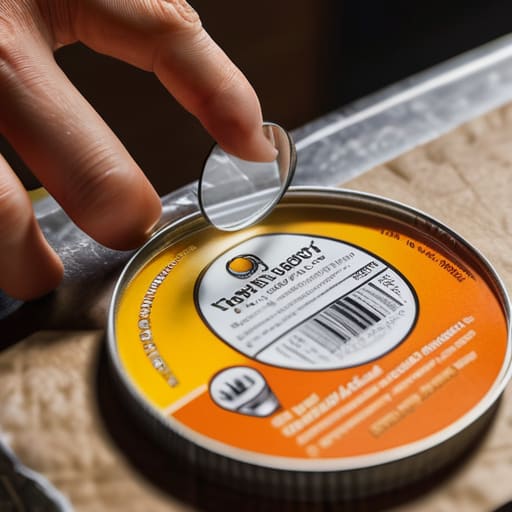
My best advice? Stop trusting the “natural” or “healthy” claims on the front of the box. Those are just marketing. Instead, flip the package over and scan the ingredient list for anything ending in “-ose.” If sugar is one of the first three ingredients, put it back. I’ve started focusing more on low glycemic index foods—like actual whole oats or nuts—because they actually keep me full. It’s not about being perfect; it’s just about knowing what you’re actually putting in your body so you don’t get played by a clever label.
How to Stop Sugar Addiction Without Losing Your Mind
Look, I’m not going to tell you to just “willpower” your way through a sugar crash. If you try to go cold turkey on everything sweet overnight, you’re going to end up face-down in a bag of gummy worms by Tuesday. That’s not a sustainable lifestyle; it’s a recipe for a binge. Instead of fighting your brain, try to focus on managing blood sugar spikes so you don’t get those dizzy, irritable lows that make you crave a donut.
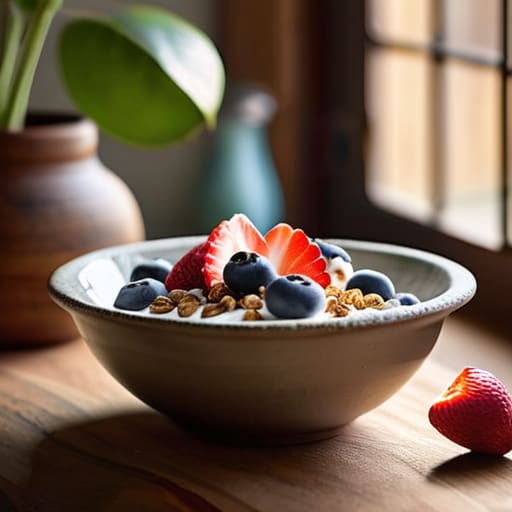
The trick is to stop viewing food as “good” or “bad” and start looking at how it actually affects your energy. When the cravings hit, reach for some low glycemic index foods—think Greek yogurt with a few berries or a handful of nuts. These keep your levels steady rather than sending them on a rollercoaster. If you really need that hit of sweetness, look into natural sugar substitutes like a bit of real maple syrup or fruit, rather than the processed stuff. It’s about finding a middle ground that doesn’t leave you feeling miserable or deprived.
My low-stress game plan for cutting back
- Stop trying to go cold turkey. If you try to cut every single gram of sugar out of your life by Monday morning, you’re going to end up face-down in a bag of gummy worms by Wednesday. Just aim for one small swap a day—like putting milk in your coffee instead of flavored creamer—and call it a win.
- Lean into the protein and fat combo. Most of my sugar cravings hit when I’m running on empty. Instead of reaching for a granola bar (which is basically just a candy bar in disguise), grab some Greek yogurt or a handful of almonds. It actually keeps you full instead of just giving you that 20-minute spike and crash.
- Read the labels like you’re looking for a loophole. You’ll see “syrup,” “maltodextrin,” or “cane juice” everywhere. I started keeping a little running list in my notebook of the brands that sneak sugar into things like pasta sauce and salad dressing so I don’t get caught off guard at the grocery store.
- Keep your “emergency” snacks realistic. If you keep a stash of dark chocolate (70% cocoa or higher) in your cupboard, you’re much less likely to order a massive dessert when you’re feeling stressed. It’s about having a better option ready before the craving turns into a crisis.
- Prioritize actual sleep. This sounds like generic wellness advice, but it’s real: when I’m running on five hours of sleep, my brain screams for sugar just to stay awake. It’s way easier to make decent food choices when you aren’t physically exhausted and hunting for a quick dopamine hit.
The bottom line: How to actually make this stick
Stop trying to go “cold turkey” on everything at once; just focus on one swap a week, like trading your morning sweetened yogurt for something with real fruit, so you don’t end up crashing and ordering takeout by Tuesday.
Prioritize protein and healthy fats in your actual meals—if you’re eating enough real food, those random sugar cravings won’t feel like a life-or-death emergency.
Forgive yourself when you slip up and eat the damn cookie; perfection is exhausting and unsustainable, so just get back to your routine at the next meal and move on.
Cut the sugar, keep your sanity
Look, we’ve covered a lot, and I know it feels like a lot to juggle. From hunting down those sneaky hidden sugars in your pantry to finding ways to curb those intense cravings without feeling like you’re punishing yourself, the goal isn’t to become a person who never touches a cookie again. It’s about awareness and intentionality. Remember, it’s about swapping the processed stuff for things that actually fuel you, rather than just giving you a thirty-minute spike followed by a massive crash. You don’t have to overhaul your entire kitchen overnight; just start by making one small, sustainable swap at a time.
At the end of the day, please don’t let this become another thing you use to beat yourself up. If you have a bad day and eat a whole bag of gummy bears, you haven’t “failed”—you’re just human. This isn’t about achieving some sterile, influencer-approved level of dietary perfection; it’s about figuring out what makes your body feel steady and capable. Focus on how much better you feel when you aren’t riding that sugar rollercoaster, and let that be your compass. You’ve got this, and it doesn’t have to be perfect to be worth it.
Frequently Asked Questions
Is it actually possible to satisfy a sweet tooth without spending a fortune on "healthy" sugar alternatives?
Absolutely. Honestly, the “health food” aisle is a scam most of the time—you’re basically paying a 300% markup for monk fruit syrup or expensive keto treats that taste like cardboard. You don’t need them. I usually just lean on what’s actually in my pantry: a bit of honey, some frozen berries, or even just a dash of cinnamon in my oats. Real food is cheaper, and it actually hits the spot.
How do I handle the inevitable sugar crashes when I'm trying to stick to my new routine?
Look, the crash is real, and it’s usually when you feel like throwing in the towel. When that mid-afternoon slump hits, don’t reach for another candy bar just to “level out”—that’s a trap. Instead, grab something with actual substance: a handful of nuts, some Greek yogurt, or even just a glass of water. You’re basically just stabilizing your blood sugar. Eat some protein or healthy fat, breathe, and ride it out. You’ve got this.
Should I be worried about natural sugars in things like fruit, or is that just more unnecessary stress?
Honestly, don’t stress it. There’s a massive difference between the sugar in a processed granola bar and the sugar in an apple. When you eat whole fruit, you’re getting fiber, which slows down absorption and keeps your energy stable. It’s not just about the sugar; it’s about the package it comes in. As long as you’re eating the actual fruit and not just drinking a glass of juice, you’re totally fine.