Small Changes to Naturally Reduce Sugar in Your Diet
I was staring at a $14 “superfood” smoothie bowl in a trendy cafe last week, feeling that familiar wave of annoyance. The menu promised a “natural detox,” but all I saw was a massive sugar bomb disguised by aesthetic acai swirls and overpriced granola. It’s honestly exhausting how the wellness industry tries to convince us that learning how to reduce sugar in your diet requires a subscription to a meal kit service or a cabinet full of expensive, monk-fruit-infused supplements. You don’t need a lifestyle overhaul curated by an influencer to find balance; you just need to stop falling for the performative health trap that costs more than your monthly groceries.
I’m not here to give you a list of impossible restrictions or suggest you live on kale juice and willpower. Instead, I want to share the practical, slightly messy ways I actually managed to cut back without losing my mind or my budget. We’re going to focus on small, sustainable swaps—the kind you can do with the ingredients already sitting in your pantry. I promise to keep this real, affordable, and completely free of any wellness hype that doesn’t actually work in a real, busy life.
Spotting Hidden Sugars in Processed Foods Without the Stress
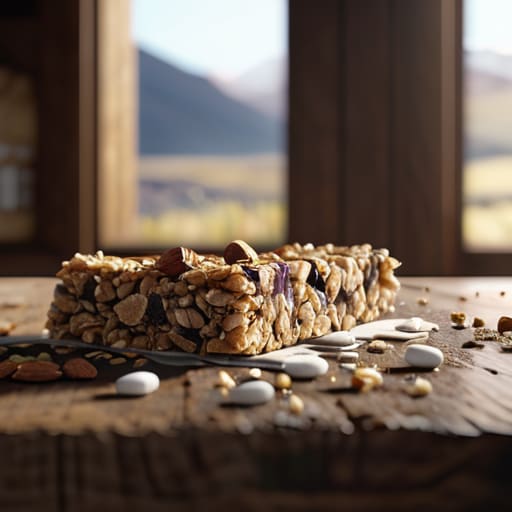
Honestly, looking at a nutrition label can feel like trying to decipher a secret code designed specifically to trick you. Most of us just glance at the “Total Sugars” line and call it a day, but that’s exactly where the sneaky stuff hides. Companies love using different names for sugar to make their products look “healthier” than they actually are. If you see words like maltodextrin, barley malt, or high fructose corn syrup, just know you’re looking at hidden sugars in processed foods that are basically masquerading as something else.
The trick isn’t to become a chemist overnight, but to get comfortable with how to read nutrition labels for sugar by looking at the actual ingredient list. If sugar is one of the first three ingredients, it’s probably a dealbreaker. I used to get so overwhelmed by it, but now I just treat it like a scavenger hunt. Instead of stressing over every single gram, I just focus on the big offenders—like those “healthy” granola bars or flavored yogurts that are secretly dessert in disguise. Once you start spotting these patterns, it becomes much easier to make better choices without feeling like you’re on a restrictive diet.
Learning How to Read Nutrition Labels for Sugar Like a Pro
Look, I know staring at the back of a cereal box feels like studying for a chemistry final you didn’t prepare for, but it’s actually the fastest way to master how to read nutrition labels for sugar. Don’t let the “Total Sugars” number fool you—that’s just the surface level. You really need to squint at the ingredient list. If you see terms like maltodextrin, barley malt, or high fructose corn syrup, you’re looking at the sneaky stuff. I used to think my “healthy” yogurt was a win, until I realized it had more added sugar than a glazed donut.
The real trick is looking for the Added Sugars line specifically. This is where the distinction between the sugar naturally found in an apple and the processed junk dumped into your granola bars becomes crystal clear. Once you start noticing these patterns, you’ll realize how easy it is to accidentally spike your glucose. Developing this habit is one of the most effective blood sugar management tips I’ve ever implemented, mostly because it stops the mid-afternoon crash before it even starts.
Small, Low-Stakes Swaps That Actually Stick
- Stop trying to go cold turkey. If you usually put two sugars in your coffee, try one for a week. It sounds annoying and slow, but it prevents that massive sugar crash and “I give up” moment that happens when you try to be too perfect too fast.
- Keep a “real food” snack stash ready. Most of us reach for the sugary granola bar because it’s easy, but I’ve learned that having a handful of almonds or an apple nearby saves me from the vending machine trap when my energy dips around 3 PM.
- Rethink your “healthy” drinks. I used to think fruit juice was the gold standard, but most of it is basically liquid candy without the fiber to slow it down. I’ve switched to sparkling water with a squeeze of lime—it hits that bubbly craving without the sugar spike.
- Master the art of the pantry staple. Instead of buying pre-sweetened yogurt or oatmeal packets (which are secretly sugar bombs), buy the plain stuff and add your own fruit or a tiny bit of honey. You control the sweetness, and it’s way cheaper.
- Don’t let a “bad” meal spiral into a bad day. If you end up eating a dessert that’s way too sweet, don’t write off the whole week. Just make your next meal something savory and green. One sugary snack isn’t a failure; it’s just part of being human.
The Bottom Line on Cutting Back
Stop hunting for “sugar-free” replacements that cost three times as much; focus on eating more whole foods you can prep yourself so you actually know what’s going into your body.
Don’t try to go cold turkey on everything at once or you’ll just burn out and end up face-first in a bag of cookies; aim for one small, sustainable swap a week.
Pay attention to how your body actually feels—if you swap that afternoon soda for sparkling water and your energy doesn’t crash at 3 PM, that’s your real cue to keep going.
One Step at a Time
Look, I know it feels overwhelming when you realize that “healthy” granola or your favorite pasta sauce is basically a dessert in disguise. We’ve gone over how to spot those sneaky ingredients and how to actually make sense of the nutrition label, but the goal isn’t to turn your kitchen into a laboratory. You don’t need to overhaul your entire pantry overnight or throw away everything that has a single gram of sugar. It’s really just about becoming more intentional with what you bring through your front door. Focus on those small, manageable swaps—like trading a sugary morning latte for something simpler or choosing whole foods over the highly processed stuff—and you’ll start to see the difference in your energy levels without feeling like you’re on some restrictive, miserable diet.
At the end of the day, this isn’t about achieving some impossible standard of “purity” you see on social media. It’s about listening to your body and finding a rhythm that actually works for your real, messy, busy life. If you slip up and eat a box of cookies, don’t throw the whole week away; just start fresh with your next meal. We’re aiming for sustainability, not perfection. You’ve got this, and honestly, your future self is going to be so much more grateful for the small, practical choices you’re making right now.
Frequently Asked Questions
What do I do when I’m craving something sweet in the middle of the afternoon without reaching for a candy bar?
Look, I get it. That 3 p.m. slump hits hard, and suddenly that candy bar in the pantry looks like a lifeline. Instead of fighting the urge with willpower alone, try to work with your body. I usually grab a handful of berries or an apple with a bit of peanut butter. You get that sweetness, but the fiber and fat actually keep you full instead of causing a massive crash ten minutes later.
Are there any affordable, low-sugar snack swaps that actually taste good and aren't just "diet food"?
Look, I’ve been there—staring at a “healthy” granola bar that basically tastes like a sweetened brick. Skip the expensive, branded “diet” snacks. Instead, try Greek yogurt with a handful of frozen berries (cheaper than fresh!) or apple slices with a bit of peanut butter. If you’re craving crunch, air-popped popcorn with nutritional yeast is a game changer. It’s filling, actually flavorful, and won’t leave you feeling like you’re punishing yourself.
How long does it actually take for my taste buds to adjust so that things don't taste bland?
Honestly, it’s not an overnight thing, so don’t get discouraged if your morning oatmeal tastes like cardboard for a few days. Usually, it takes about two to three weeks of consistent, lower-sugar eating for your palate to recalibrate. After that, the “natural” sweetness in a strawberry or an apple actually starts to pop. It’s less about things tasting bland and more about your senses finally being able to detect real flavor again.