Effective Homemade Cleaning Supplies That Actually Get the Job Done
I used to think that having a “clean” apartment meant buying every aesthetic, pastel-colored spray bottle that popped up on my feed, complete with labels promising “botanical magic.” Honestly? It was a total scam. I spent way too much money on overpriced, eco-branded cleaners that mostly just smelled like expensive perfume and left streaks on my thrifted wooden coffee table. I realized pretty quickly that you don’t need a massive budget or a chemistry degree to keep your space livable; you just need to stop falling for the marketing. Most of the best diy cleaning products don’t come in fancy packaging—they come in the bottles already sitting in your kitchen pantry.
I’m not here to give you some complicated, twenty-step ritual that requires buying obscure essential oils you’ll only use once. My goal is to show you how to make actually effective cleaners using basic stuff like vinegar, baking soda, and lemon. I’ve spent years testing these combinations in my own cramped apartment and community garden shed, so I know what works and what’s just a waste of time. We’re going to focus on functional, low-cost solutions that get the job done without wrecking your bank account or your lungs.
The Magic of Vinegar and Baking Soda Cleaning
Look, I know the “science” of it can feel a bit basic, but honestly, vinegar and baking soda are the absolute heavy hitters of my cleaning arsenal. There’s something so satisfying about seeing that fizzy reaction actually work. If you’re tired of breathing in those harsh, synthetic fumes that make you want to crack a window in the middle of winter, switching to these non-toxic household cleaners is a total game-changer. I started doing this mostly because I was sick of spending $8 on a single bottle of specialized spray that did the exact same thing as a jug of white vinegar.
The real trick is knowing when to use what. I use baking soda as a gentle abrasive for scrubbing out those stubborn, burnt-on stains in my sink or on the stovetop—it’s basically magic in a box. When things get really grimy, I hit them with a splash of vinegar to cut through the grease. If you’re worried about the smell (because let’s be real, vinegar is pungent), just add a few drops of essential oils for cleaning, like lemon or eucalyptus. It makes your whole apartment smell like a spa instead of a salad dressing factory.
Cost Effective Cleaning Solutions That Actually Work
Look, I’m not saying you need to go full survivalist, but there is zero reason to drop ten bucks on a “lavender-scented” surface spray that’s basically just fancy water and chemicals. Most of those store-bought options are overpriced marketing fluff. Instead, I’ve found that building a kit of cost-effective cleaning solutions really just comes down to a few pantry staples. If you have a bottle of dish soap, some rubbing alcohol, and a few citrus peels, you’re already halfway to a much better setup than anything in the cleaning aisle.
The real game-changer for me was realizing how much safer these DIY swaps are for my space. Since I spend a lot of time working from my small apartment, I hate that heavy, chemical smell that lingers after cleaning. Switching to non-toxic household cleaners made a massive difference in how my place actually feels. Plus, if you have a pet (or kids running around), you don’t have to stress about them touching a floor that was just coated in harsh residues. It’s about being intentional with what we bring into our homes, without breaking the bank.
How to actually make this work without losing your mind
- Don’t go overboard with the scents. I used to think adding ten drops of essential oils to every spray was the vibe, but it just makes your house smell like a chemical factory. Pick one or two—lavender or lemon are classics—and stick to them.
- Get some decent spray bottles. I know, it sounds boring, but don’t waste your time using those flimsy, cheap ones that leak all over your hands. Grab some glass ones from a thrift store if you can; they last longer and look way better on the counter.
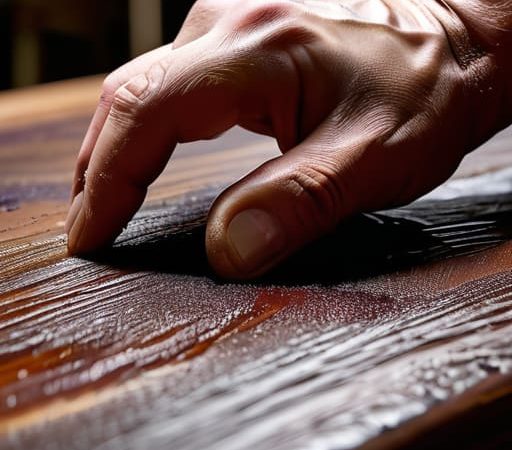
- Test a tiny, hidden spot first. Seriously. I once tried a DIY citrus cleaner on a finished wood table because I saw it on a “cleanTok” video, and let’s just say I learned the hard way that DIY doesn’t mean “safe for everything.”
- Label everything. It sounds like something your mom would tell you, but once you have three different bottles of clear liquid sitting on your counter, you’re going to forget which one is the floor cleaner and which one is the glass spray. Use a Sharpie or some masking tape.
- Keep your supplies in one small bin. Since I live in a tiny space, I can’t have cleaning supplies scattered everywhere. I keep all my vinegar, baking soda, and spray bottles in one little plastic tub under the sink so I can grab it and go.
The bottom line on DIY cleaning
Stop overcomplicating things; most of your cleaning needs can be met with a few pantry staples like vinegar, baking soda, and lemon.
You’ll save a ridiculous amount of money by ditching the “specialty” sprays that are mostly just expensive water and fancy scents.
Focus on what actually works for your space rather than trying to match some aesthetic—functional and cheap beats performative and pricey every single time.
Cutting the Cord on Chemical Overload
At the end of the day, you don’t need a cabinet full of neon-colored liquids to keep your space livable. We’ve covered how a few staples—like vinegar, baking soda, and maybe a bit of castile soap—can tackle everything from a greasy stovetop to a dusty windowsill. Transitioning to DIY cleaners isn’t about being a “perfect” eco-warrior; it’s about realizing that most of those expensive, branded sprays are just overpriced water and marketing. By sticking to these basics, you’re saving money, reducing your plastic waste, and keeping your home a bit safer for your lungs (and your wallet). It’s about working smarter, not more expensive.
I know it can feel overwhelming to change your habits, especially when the easy, pre-made option is right there on the shelf. But remember, this isn’t about achieving some Pinterest-perfect, sterile lifestyle. It’s about reclaiming a little bit of control over what you bring into your sanctuary. Start small—maybe just swap out your window cleaner this week—and see how it feels. You’ll quickly realize that sustainability doesn’t have to be a chore. It can actually be a quiet, intentional way to care for yourself and the planet, one affordable, homemade bottle at a time.
Frequently Asked Questions
Is it actually safe to use these DIY mixtures around pets or small kids?
Honestly, this is such a valid concern. If you’re swapping out harsh chemicals for DIY stuff, you’re already winning, but you still have to be smart. Vinegar and baking soda are generally safe, but don’t go overboard—strong smells can be overwhelming for sensitive noses (looking at you, dogs). Also, skip the essential oils unless you’ve researched which ones are toxic to pets. Stick to the basics, rinse surfaces well, and you’ll be fine.
How do I keep my homemade cleaners from smelling like a giant salad?
Honestly, I get it. Nobody wants their apartment to smell like a walking vinaigrette. If you hate that sharp, acidic scent, start ditching the plain vinegar and try infusing it first. Throw some citrus peels or a few sprigs of rosemary into a jar of vinegar and let it sit for a week. It smells way more intentional and way less like a deli counter. Also, adding a few drops of essential oils helps mask the sting.
Are there any surfaces, like marble or granite, that I absolutely shouldn't touch with vinegar?
Yes, and this is a huge one: stay far away from marble, granite, or any natural stone with vinegar. Since vinegar is an acid, it’ll literally eat away at the sealant and etch the surface, leaving these permanent, dull spots that look like nothing. It’s super frustrating because once that stone is etched, there’s no easy fix. For those counters, stick to a gentle, pH-neutral soap and water. Don’t risk your expensive surfaces for a “hack.”