Get Rid of Squeaky Doors in Just Two Minutes
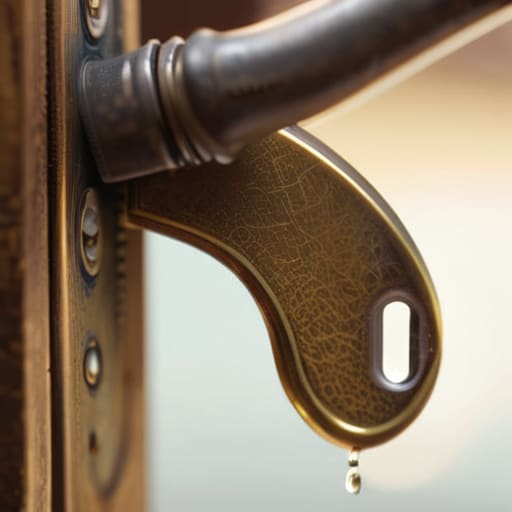
I was halfway through a much-needed afternoon nap in my tiny apartment when that piercing, high-pitched screech cut right through my peace—the bedroom door deciding to announce my every movement to the entire building. It’s that specific kind of annoyance that makes you want to just move houses, but before you go scouring Amazon for some overpriced, specialized industrial lubricant, let’s get real: you don’t need it. Most people think learning how to fix a squeaky door requires a trip to the hardware store and a toolkit you don’t even own, but that’s just performative DIY that wastes your time and money.
In this guide, I’m skipping the complicated jargon and the expensive “hacks” that only work if you have a professional workshop. Instead, I’m going to show you how to use the random stuff you likely already have tucked away in your kitchen or bathroom to get the job done. We’re focusing on low-effort, high-impact solutions that actually work, whether it’s a quick spray of cooking oil or a bit of Vaseline. Let’s quiet that annoying hinge down so you can finally get back to your actual life.
Guide Overview
Tools & Supplies
- Screwdriver (to tighten loose hinge screws)
- Microfiber cloth (to wipe away excess lubricant)
- Lubricant (1 can of spray lubricant or a small tube of lithium grease)
- Cleaning rag (1 piece for cleaning hinge pins)
Step-by-Step Instructions
- 1. First, you need to figure out if it’s actually the hinge or if the door is just rubbing against the frame. Give it a little wiggle when it’s making that noise. If the sound is coming directly from the metal joints, you’re in luck—it’s just a lubrication issue and not a structural nightmare.
- 2. Grab a screwdriver and pop the hinge pins out. I know, it sounds intimidating, but it’s actually pretty simple. Just tap the bottom of the pin upward with something blunt, like the handle of a screwdriver or even a heavy spoon, until it slides out. Don’t force it too hard or you might scratch the metal, but a little rhythmic tapping usually does the trick.
- 3. Once you have the pins out, take them to the sink and give them a quick scrub. Over time, they collect this gross, gritty buildup of dust and old metal shavings that causes the friction. I usually just use a bit of dish soap and an old toothbrush to get them actually clean before moving to the next step.
- 4. Now, instead of running to the hardware store for specialized machine oil, look around your kitchen or bathroom. A tiny bit of olive oil, coconut oil, or even some Vaseline works wonders. If you want to be a little more “pro,” a bit of graphite from a pencil can work, but honestly, anything slippery will stop that screeching sound in its tracks.
- 5. Coat the pins thoroughly with whatever lubricant you found. You don’t need to go overboard—just a thin, even layer is enough. If you’re using something like olive oil, try not to let it drip everywhere, or you’ll end up with a greasy mess on your floor that’s a pain to clean up later.
- 6. Slide the pins back into the hinges one by one. As you push them down, you might need to use that same tapping motion from earlier to get them seated properly. Once they’re in, give the door a few experimental swings to make sure the noise is gone and that everything feels smooth again.
- 7. Take a damp cloth and wipe away any excess oil or residue that leaked out during the process. This is the part most people skip, but it’s important if you don’t want to end up with permanent grease stains on your door or your walls. And there you go—a silent door without spending a dime.
Using Household Items to Stop Door Squeaks Fast
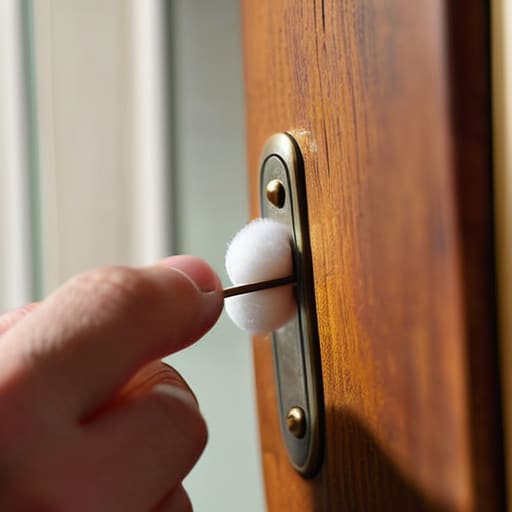
Look, I know the first thing most people do is run to the hardware store for a can of something, but you probably already have what you need in your kitchen or bathroom. If you’re looking for quick household items to stop door squeaks, don’t overlook the basics. A little bit of olive oil or even some Vaseline can do wonders in a pinch. Just take a Q-tip, dab a tiny bit onto the hinge, and work it in. It’s not a permanent fix for the next ten years, but it’ll stop that grating sound immediately so you aren’t jolted awake at 3 AM.
One thing I’ve learned from my DIY furniture projects is that sometimes you have to get a little hands-on. If a surface application isn’t cutting it, you might need to try removing the hinge pin to lubricate it directly. Just tap the pin out with a hammer and a nail, coat it in a bit of petroleum jelly, and slide it back in. It’s a bit more work, but it’s way more effective than just spraying the outside and hoping for the best.
Wd 40 vs Silicone Spray for Doors What Actually Works
Look, if you’ve scrolled through any DIY video, you’ve probably seen people arguing about WD-40 vs silicone spray for doors. Here’s the blunt truth: most people use the wrong one. Standard WD-40 is actually a solvent, not a long-term lubricant. It’s great for breaking up gunk or loosening a stuck hinge, but it evaporates fast. If you use it to fix a noisy door, you might get ten minutes of silence followed by an even louder, more annoying squeak once it dries out.
If you want something that actually sticks, go for the silicone spray. It’s a real lubricant that creates a thin, protective layer that won’t attract as much dust and hair (which is a nightmare if you have pets). It’s a slightly bigger investment than the stuff sitting in your garage, but it’s much better for long-term hinge maintenance. If you’re really committed to doing it right, I’d suggest removing the hinge pin to lubricate it directly with a bit of grease. It’s a tiny bit more work, but it’s the only way to ensure that squeak stays gone for good.
A few extra things I’ve learned from fixing my own junk
- Don’t just spray and pray. If you’re using a lubricant, try to actually get it into the hinge pin rather than just coating the outside. I usually lift the door up just a tiny bit with a screwdriver to create a gap so the oil can actually sink in where it’s needed.
- Check for loose screws while you’re at it. Sometimes that “squeak” is actually just a hinge wobbling because a screw has backed out over time. A quick turn with a screwdriver can save you from having to deal with any lube at all.
- Keep a rag handy. Seriously. If you’re using oil or even something like Vaseline, it’s going to drip. I’ve definitely made a mess of my floorboards before, and trust me, cleaning oil out of old wood is a much bigger headache than the squeak itself.
- Listen to the rhythm. If the squeak is constant, it’s likely just friction. But if it’s a rhythmic, grinding sound, your hinge might actually be bent or misaligned. If that’s the case, no amount of cooking oil is going to fix a structural issue.
- Clean the gunk out first. Before you add anything new, wipe down the old, crusty hinge with a paper towel. Over time, dust and old residue build up and turn into this weird, gritty paste that makes the noise worse. Start with a clean slate.
The Bottom Line on Quiet Doors
Don’t rush out to the hardware store just yet; check your kitchen or bathroom first for things like cooking oil, Vaseline, or even a bit of bar soap to get the job done.
While WD-40 is great for loosening things up, it’s a temporary fix—if you want a real, long-term solution, you’re better off investing in a dedicated silicone spray.
Most squeaks are just a sign of friction, so the goal isn’t to find the most expensive product, but just to get a little bit of lubrication into those hinges without making a mess.
The Bottom Line on That Annoying Squeak
At the end of the day, you really don’t need to run out to the hardware store or drop twenty bucks on a specialized toolkit just to get some peace and quiet. Whether you ended up using a bit of cooking oil from the kitchen, some leftover Vaseline, or finally bit the bullet and grabbed a can of silicone spray, the goal was the same: fixing a problem with minimal friction. Just remember to wipe away any excess so you don’t end up with a greasy mess on your door frame, and keep an eye on it for a few days. Most of the time, a little bit of intentional maintenance is all it takes to keep your space feeling functional rather than frustrating.
I know it sounds silly to spend time worrying about a noisy hinge, but honestly, these tiny little fixes are how we reclaim our environment. When your apartment is filled with these small, grating sounds, it’s hard to actually feel calm and settled. By taking ten minutes to handle it yourself, you’re proving that you don’t need a massive budget to create a peaceful living space. It’s about being resourceful and realizing that you already have the power to improve your daily life, one small, squeak-free step at a time. You’ve got this.
Frequently Asked Questions
What if I try these hacks and the squeak comes back a few days later?
Look, I’ve been there. You fix it, feel like a DIY god for twenty minutes, and then—screech—it’s back. If the squeak returns, it usually means whatever you used was too thin or just dried out. Cooking oil is great for a quick fix, but it doesn’t last. If this keeps happening, stop playing around with the kitchen pantry and just grab a small tube of lithium grease or even some Vaseline. It’s worth the two bucks for something that actually sticks.
Is there a way to fix the noise without taking the whole door off the hinges?
Honestly, please don’t. Taking a door off its hinges is a massive headache and usually unnecessary. You can almost always fix the noise without the heavy lifting. Just try to get your lubricant—whether it’s that cooking oil or a bit of spray—directly into the gaps where the pin meets the hinge. If you can, lift the door just a tiny bit to create a gap, or even just work it into the joints while moving the door back and forth. It’s way less stressful.
Can I use something like olive oil or coconut oil, or will that just make a sticky mess?
Honestly, you can, but I’d be careful. Olive or coconut oil works in a pinch if you’re desperate, but they tend to go rancid or get super gummy over time. If you go that route, use a tiny amount on a Q-tip so you aren’t coating the whole hinge in a sticky film. If you have any Vaseline or even a bit of unscented lotion, those are much better bets for a cleaner fix.