How to Cook Fish With Confidence and Zero Odor
I used to think that learning how to cook fish meant I needed a kitchen that looked like a professional chef’s studio and a bank account that could handle wild-caught salmon every Tuesday. I’d see these polished cooking videos where everything is perfectly plated and nothing ever sticks to the pan, and honestly? It just made me feel like I was failing before I even turned on the stove. The truth is, most of the “expert” advice out there is just unnecessary gatekeeping designed to make you buy expensive gadgets you’ll never actually use.
I’m not here to sell you on a lifestyle of gourmet complexity or fancy, overpriced seasonings. Instead, I want to show you that learning how to cook fish can be as simple as using the basic tools you already have in your cramped kitchen cabinets. I’m going to walk you through some low-stress, realistic methods that prioritize flavor and nutrition without the performative fluff. We’re going to focus on what actually works for a busy, real-world budget, so you can stop overthinking it and just start eating well.
The Best Way to Season Fish Without Fancy Ingredients
Look, I’m not about to tell you that you need a $40 jar of saffron or some artisanal sea salt from a boutique shop to make dinner taste good. Honestly, most of that is just marketing fluff. The best way to season fish is to keep it stupidly simple. If you’re working with something mild like tilapia or cod, a heavy hand with black pepper, some garlic powder, and whatever dried herbs are currently hiding in the back of your pantry is more than enough. If you have a lemon rolling around in the fridge, use it. Acid is a cheat code for making even the cheapest grocery store fillet taste like it was prepared by a chef.
Don’t get caught up in trying to create a complex flavor profile every single time. If you’re just starting out, stick to the basics: salt, pepper, and a little fat like butter or olive oil. When you’re practicing your pan searing techniques, remember that seasoning the fish right before it hits the heat is key. If you salt it too early and let it sit, it can actually draw out moisture and leave you with something surprisingly dry. Just season, sear, and eat. It’s that easy.
Types of Fish for Beginners That Wont Fail You
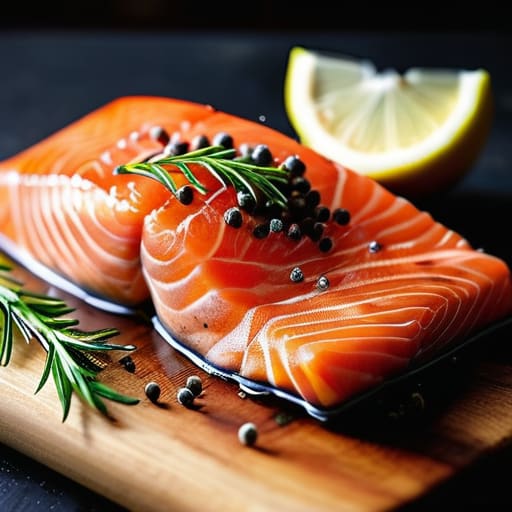
Look, I get it. Walking into the seafood aisle can feel like a high-stakes gamble, especially when you’re staring at things you can’t even pronounce. You don’t need to go out and buy expensive, delicate fillets that fall apart the second they touch heat. When you’re just starting out, you want types of fish for beginners that are forgiving and actually taste good even if you overcook them slightly.
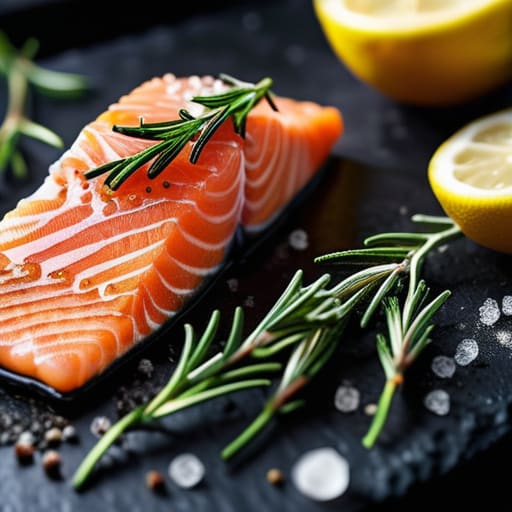
Salmon is my absolute go-to. It’s fatty, which is just a fancy way of saying it’s hard to mess up because that fat keeps it moist. If you’re practicing your pan searing techniques, salmon is incredibly reliable. Next, I always recommend tilapia or cod. They’re budget-friendly, mild, and soak up whatever flavors you throw at them. Since they’re leaner, just keep an eye on the internal temperature for cooked fish so they don’t get rubbery. Honestly, once you find a fish that works for your palate, you’ll stop seeing seafood as a “special occasion” thing and start seeing it as just another easy, healthy Tuesday night meal.
5 Low-Stress Rules for Not Ruining Your Dinner
- Stop obsessing over the perfect pan. Honestly, a cheap non-stick skillet is your best friend here because it prevents that annoying moment where your expensive fillet decides to become part of the pan instead of your plate.
- Pat that fish dry like your life depends on it. If it’s still damp when it hits the heat, you’re going to end up steaming it in a puddle of its own juices instead of getting that crispy skin we’re actually after.
- Learn the “flake test” so you can stop guessing. Instead of poking it with a fork like a maniac, just gently press the thickest part with your finger or a spatula; if it flakes easily along the natural lines, it’s done.
- Don’t be afraid of a little butter or oil. Since I’m usually working with whatever’s left in the fridge, I just use a bit of whatever fat I have on hand to keep things from sticking and to add some much-needed flavor.
- Let it rest for a minute. I know, you’re hungry, but if you rip into it the second it leaves the heat, all those juices just run out and you’re left with something that tastes like cardboard. Give it two minutes to chill.
The Low-Stress Fish Cheat Sheet
Stop hunting for specialty spices; a little salt, pepper, and whatever dried herb is sitting in the back of your pantry is more than enough to make it taste good.
Stick to forgiving, affordable options like salmon or tilapia so you don’t feel like you’ve wasted money if you accidentally overcook it.
Focus on getting a decent sear in a basic pan rather than worrying about professional techniques—texture is more important than perfection.
Just Get in the Kitchen
Look, at the end of the day, you don’t need a culinary degree or a pantry full of rare saffron to make a decent meal. We’ve covered the basics: pick a forgiving fish like salmon or tilapia so you don’t panic, and don’t go overboard with the spices when a little salt, pepper, and whatever oil you have on hand will do the trick. The goal isn’t to recreate a Michelin-star dish; it’s to get actual nutrients onto your plate without breaking the bank or spending two hours cleaning up a mess. If you can sear a piece of fish in a pan without burning the house down, you’re already winning.
I know the idea of cooking “fancy” proteins can feel intimidating, especially when you’re already juggling a million other things. But please, stop waiting for the “perfect” moment or the perfect set of tools to start eating better. Cooking is a skill that gets easier every single time you try, even if you overcook it once in a while. Just trust your instincts, use what you have, and remember that a simple, home-cooked meal is a massive win for your budget and your brain. You’ve got this.
Frequently Asked Questions
How do I tell if the fish is actually done without a meat thermometer?
Honestly, I used to freak out about this, but you don’t need a thermometer. The easiest way is the “flake test.” Grab a fork and gently press down on the thickest part of the fillet. If it separates easily into opaque, flaky layers, you’re good. If it looks translucent or feels a bit mushy, give it another minute or two. It’s not rocket science—trust your eyes and your fork more than a gadget.
Is it okay to cook frozen fish straight from the freezer, or do I really need to thaw it first?
Honestly? You can totally cook it straight from the freezer, but you have to adjust your expectations. If you’re pan-searing, it’s going to take longer and might get a bit mushy because of the extra moisture. If you’re baking it in the oven, it’s actually a lifesaver for those “I forgot to meal prep” nights. Just add a few extra minutes to the timer. If you have the time, thawing is better, but don’t stress if you don’t.
How do I stop my kitchen from smelling like a seafood market for the next three days?
Honestly, the worst part of cooking fish isn’t the prep—it’s the lingering “ocean” scent in your curtains. First, ditch the trash immediately; don’t let those scraps sit in the bin overnight. While you’re cleaning, simmer a small pot of water with whatever citrus peels or vinegar you have on hand. It’s not fancy, but it actually neutralizes the air. And please, for the love of everything, wash your pans with cold water first.