Sewing 101: a Beginner’s Guide to the Essentials
Please don’t let those Pinterest-perfect “starter kits” with their $300 machines and color-coordinated fabric bins fool you. I spent way too much time early on thinking I needed a professional studio just to fix a loose hem, only to realize I was just wasting money I should’ve been putting toward my rent. The truth is, most of those tutorials make sewing basics for beginners look like some high-stakes, aesthetic lifestyle choice, when really, it’s just about being able to mend a tear or repurpose a thrifted find before it hits the landfill. You don’t need a curated atelier; you just need to know how to work with what you’ve actually got.
I’m not here to sell you on a dream or a complicated curriculum that requires a degree in textile engineering. My goal is to give you the real-world version of sewing basics for beginners—the kind that focuses on utility, durability, and staying within a budget. We’re going to skip the fluff and focus on the essential skills that actually matter, using the basic tools you probably already have tucked away in a junk drawer. Let’s get into the stuff that actually works without breaking your bank account.
Building Your Beginner Sewing Kit Essentials Without Breaking the Bank
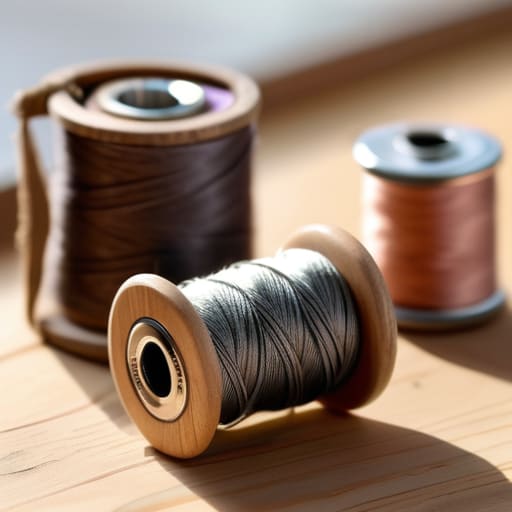
Look, I know those massive, color-coded sewing kits on Instagram look satisfying, but please don’t go out and drop a fortune on a professional setup just to learn the ropes. Most of that is just filler. When I first started, I realized my beginner sewing kit essentials actually boiled down to a handful of things I could find in my junk drawer or grab for a few bucks at the local thrift store. You really only need a decent pair of fabric shears (and for the love of everything, never use them on paper), a seam ripper—because you will mess up, and that’s okay—a few glass-head pins, and a handful of all-purpose polyester thread.
If you’re lucky enough to have a machine sitting in your closet, don’t let it intimidate you. You don’t need every specialized attachment under the sun to get started. Focus on mastering the basic sewing stitches for beginners first. Once you can run a straight line without it looking like a mountain range, you’ve already won half the battle. Keep it simple, keep it functional, and save your money for actual fabric.
Essential Sewing Machine Tools You Actually Need to Start
Once you’ve got your machine, don’t let the sheer amount of specialized gadgets intimidate you. You really don’t need a whole workshop of expensive attachments to get moving. For now, focus on the essential sewing machine tools that actually make a difference in your daily workflow. A decent pair of fabric shears is non-negotiable—and please, for the love of everything, do not use them to cut paper unless you want your edges to look like a jagged mess. You’ll also want a seam ripper. It’s not a sign of failure when you have to use it; it’s just part of the process.
As you start playing around with different projects, you’ll realize that knowing how to thread a sewing machine correctly is more important than having the flashiest settings. Most of the frustration beginners feel actually comes from minor mechanical hiccups rather than a lack of skill. Keep a small notebook nearby to jot down any sewing machine troubleshooting tips you discover as you go—like which needle type works best for your specific fabric. It saves so much time when you’re trying to figure out why your tension is acting up.
5 Things I Wish I Knew Before My First Stitch
- Stop obsessing over the perfect fabric. I know those high-end linen blends on Pinterest look dreamy, but for your first few projects, grab some cheap cotton scraps or even an old bedsheet. You need something that doesn’t slip around or cost a week’s worth of groceries just to learn how to sew a straight line.
- Embrace the “seam ripper” as your best friend, not your enemy. You’re going to mess up. I mess up. Every single time. Instead of getting frustrated and wanting to throw your machine out the window, just rip it out and try again. It’s not a failure; it’s just part of the process.
- Ironing isn’t optional—it’s the secret sauce. If you want your projects to look like actual clothes and not a crumpled mess from a thrift store bin, you have to press your seams flat as you go. It’s a little tedious, I get it, but it makes a massive difference in how professional your work looks.
- Don’t skip the “test scrap” step. Before you commit to sewing a seam on your actual project, take a scrap of the same fabric and run a few stitches through it. It’s the only way to see if your tension is wonky or if your needle is actually doing what it’s supposed to do.
- Learn to read the grainline, not just the pattern. Fabric isn’t just a flat sheet; it has a direction. If you ignore how the threads are running, your garment will twist weirdly around your body, and no amount of “aesthetic” styling is going to fix a crooked hem.
The Real-World Sewing Cheat Sheet
Stop scrolling through those aesthetic “starter kit” hauls on TikTok—you don’t need a 50-piece set to fix a hem or sew a button.
Focus on quality over quantity; one decent pair of fabric shears is worth more than ten cheap ones that chew up your cloth.
Keep it functional by sticking to the basics first, and only buy specialized tools once you actually have a specific project that demands them.
Stop Planning and Start Stitching
Look, at the end of the day, you don’t need a studio full of high-end equipment to actually make something cool. We’ve covered the essentials—from that basic kit hiding in your junk drawer to the specific machine tools that won’t eat your fabric alive—and honestly, that is more than enough to get moving. The biggest mistake I see people make is waiting until they have the “perfect” setup before they even try a straight stitch. You don’t need a professional atelier; you just need a functional workspace and the willingness to mess up a few seams while you’re learning the ropes.
Please, for the love of everything, stop scrolling for more tutorials and just go pick up a needle. Your first project is probably going to look a little wonky, and your tension might be all over the place, but that’s part of the process. Sewing is a skill, not a performance, and there is something so incredibly grounding about fixing your own clothes or making something from scratch with your own two hands. Don’t aim for a Pinterest-perfect masterpiece on day one; just aim to create something real with what you’ve got. You’ve totally got this.
Frequently Asked Questions
I don't have a sewing machine yet—can I actually learn the basics just by hand-sewing first?
Honestly? Yes. You don’t need a machine to start. In fact, I think it’s better to start with a needle and thread. It forces you to actually learn how fabric moves and how tension works before you start cranking out stitches at high speeds. Master a basic running stitch or a whipstitch first. Once you understand the “why” behind the sewing, using a machine later will feel way less intimidating.
How do I know which kind of thread or needle to get so I don't accidentally ruin my fabric?
Honestly, this is where most people mess up and end up with a bunch of ruined fabric. Here’s the deal: don’t just grab the cheapest generic thread you see. If you’re working with stretchy stuff like a T-shirt, you need a ballpoint needle; otherwise, you’ll snag it. For standard cotton, a universal needle is fine. Just match your thread weight to your fabric—heavy thread for denim, thin thread for something delicate. Keep it simple.
Is it worth buying a cheap machine from a thrift store, or am I just going to end up wasting money on something that breaks?
Honestly? It’s a gamble, but a fun one if you’re patient. If you find a vintage metal-frame Singer or Brother at a thrift store, grab it—those tanks can last decades with a little TLC. But if it’s a plastic, generic brand from the 90s that sounds like a blender full of marbles, walk away. Don’t waste your grocery money on a paperweight. Test it with a scrap of denim first; if it struggles there, leave it.