Quick Weekend Woodworking Projects for Beginners
I used to look at those Pinterest-perfect workshops filled with $500 cordless drill sets and think, “Yeah, that’s definitely not for me.” It’s easy to feel like you need a massive garage and a mountain of expensive gear just to make something that isn’t total junk, but honestly? That’s a lie. Most of the time, we just want a way to fix our space or make something actually useful without draining our savings. I’ve spent way too many weekends scavenging curb alerts and working with whatever scrap wood I could find, and I’ve realized that starting with beginner woodworking projects isn’t about being a master craftsman—it’s about learning to work with what you’ve got.
In this post, I’m skipping the fluff and the high-end tool recommendations. I’ve put together five specific, functional ideas that you can tackle with just the basics. We’re going to focus on projects that actually fit into a small apartment or a tight budget, proving you don’t need a professional studio to create something beautiful. Get ready to stop scrolling and start building things that are genuinely worth the effort.
The Low-Stakes Floating Shelf
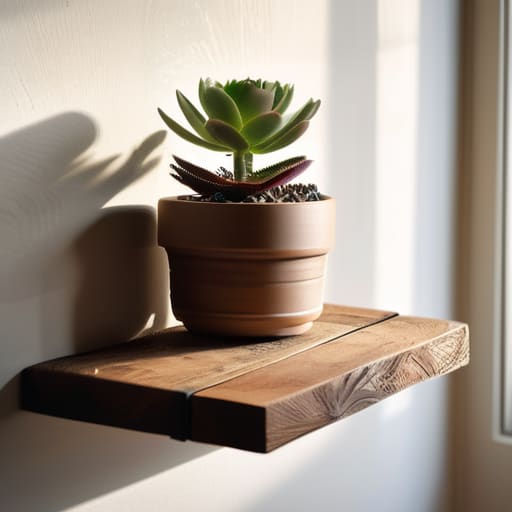
I used to stare at my bare apartment walls and think I needed a contractor to make them look “finished.” Truth is, all you really need is some decent scrap wood and a couple of sturdy brackets. I love these because they don’t take up any floor space, which is a total lifesaver when you’re living in a tiny studio like I am.
A Custom Desktop Organizer
If your workspace looks like a junk drawer exploded, you don’t need to drop fifty bucks on a plastic organizer from a big-box store. Grab some leftover plywood or even some old cedar scraps from a local yard sale. You can basically just glue and nail together a few small compartments to hold your pens, your phone, and that habit tracker notebook I’m always carrying around.
The Minimalist Herb Planter
Since I spend a lot of my time coordinating the community garden, I’ve become a bit obsessed with bringing that greenery indoors. Building a simple wooden box for your kitchen windowsill is a great way to practice your basic measurements without the pressure of a massive project. It’s a small, manageable win that gives you something tangible to show for it by the end of the weekend.
A Rustic Entryway Catch-all
We all have that one spot by the door where keys, wallets, and loose change go to die. Instead of letting the clutter pile up on a random chair, build a small, shallow tray or a wall-mounted ledge. It’s a project that takes maybe an hour, but it’ll save you so much mental energy every morning when you’re trying to head out the door.
The "Found Object" Display Stand
I’m constantly finding cool things on curb alerts—vintage ceramics, odd stones, or even interesting pieces of driftwood. Instead of letting them sit in a box, build a simple, sturdy wooden block or a small tiered stand to display them. It turns your random finds into a curated collection without the need for expensive shelving units.
The Bottom Line
Stop waiting for a “professional” workshop to show up; your real skill comes from figuring out how to make things work with the tools you actually have on hand.
Focus on utility over aesthetics—if a project doesn’t serve a purpose in your daily life or your small space, it’s just more clutter you don’t need.
Perfection is a scam that kills creativity, so embrace the slightly wonky edges and the learning curves; that’s where the actual character lives.
Stop Waiting for the "Perfect" Workshop
Look, if you’ve followed along this far, you already know that you don’t need a garage full of professional-grade machinery to start making things. Whether you decided to tackle that simple floating shelf, a rustic planter for your balcony, or a basic spice rack, the goal wasn’t just to finish a project—it was to realize that you are actually capable of creating something from scratch. We’ve covered how to use basic hand tools, how to source affordable scrap wood, and why functionality should always come before that polished, Pinterest-perfect aesthetic. At the end of the day, a slightly uneven edge on a handmade stool tells a much better story than a mass-produced piece of particle board from a big-box store.
My biggest piece of advice? Don’t let the fear of a “ruined” piece of wood stop you from even picking up a saw. Perfectionism is just a fancy way of procrastinating, and honestly, it’s exhausting. Woodworking is messy, it’s frustrating when a measurement is off by a sixteenth of an inch, and sometimes you’ll end up with something that looks a little wonky—and that is perfectly okay. Use what you have, embrace the mistakes, and just keep building. You’re not just making furniture; you’re building a skill set that belongs entirely to you.
Frequently Asked Questions
Do I really need a workshop, or can I actually do this in my tiny apartment without making a massive mess?
Honestly? You definitely don’t need a dedicated workshop. I do most of my furniture flips in a tiny corner of my living room. The trick isn’t having more space; it’s about controlling the mess. Get a heavy-duty drop cloth, invest in a decent dust mask, and keep a handheld vacuum nearby. If you stick to hand tools or small cordless ones, you can build some seriously cool stuff without turning your apartment into a sawdust nightmare.
What’s the cheapest way to get decent tools without buying a whole expensive kit I’ll never use again?
Honestly, please don’t fall for the “all-in-one” starter kits. They’re usually overpriced junk that breaks the second you actually need it. My best advice? Scour Facebook Marketplace or local thrift stores for individual, mid-range hand tools. You can often find someone selling a single, high-quality hammer or a decent set of screwdrivers for pennies. Also, check your neighbors—most people have a drill gathering dust in a garage they’d happily lend you.
How do I figure out if a piece of wood from a thrift store or a curb alert is actually safe to work with?
First, do a sniff test. If it smells like heavy chemicals, old cigarette smoke, or weirdly sweet rot, leave it on the curb. I always check for “mystery holes”—tiny, perfectly round exits that scream termite damage. Give it a good wipe down with a damp cloth; if the water beads or feels greasy, it’s likely treated with something nasty you don’t want sanding into your lungs. When in doubt, skip it.