Techniques to Make Your Vegetables Truly Flavorful
I am so tired of seeing those aesthetic “wellness” videos where people spend forty dollars on organic microgreens and some high-tech air fryer just to make a side dish. Honestly, if you think you need a specialized steamer or a collection of expensive, artisanal oils just to learn how to cook vegetables, you’ve been lied to by people who clearly don’t have to worry about a grocery budget. I spent most of my early twenties in a tiny apartment trying to make a bag of frozen peas feel like a real meal, and I can tell you right now: you don’t need a culinary degree or a designer kitchen to make greens taste good.
I’m not here to give you a lecture on nutritional bioavailability or suggest any “hacks” that require a trip to a specialty store. Instead, I want to show you how to use the basic tools you already have in your cupboard to make actual, edible food. We’re going to focus on flavor over fluff and simple techniques that work every single time. By the end of this, you’ll know how to turn whatever random produce is on sale into something that actually makes you feel good without breaking the bank.
The Best Ways to Prepare Vegetables With Basic Tools
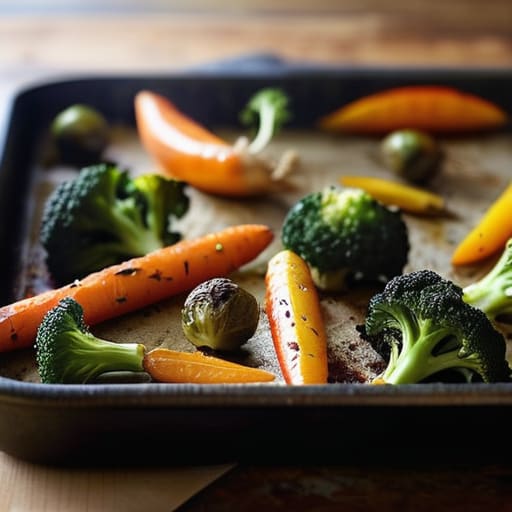
Look, you don’t need a $200 air fryer or a professional-grade sous vide machine to make something edible. Honestly, if you have a single heavy pan and an oven, you’re already ahead of the game. One of my favorite healthy vegetable cooking methods is just simple roasting. Toss your broccoli, carrots, or even Brussels sprouts in a bit of olive oil, hit them with salt and pepper, and let the oven do the heavy lifting. It caramelizes the natural sugars so you actually enjoy eating them, rather than forcing them down like a chore.
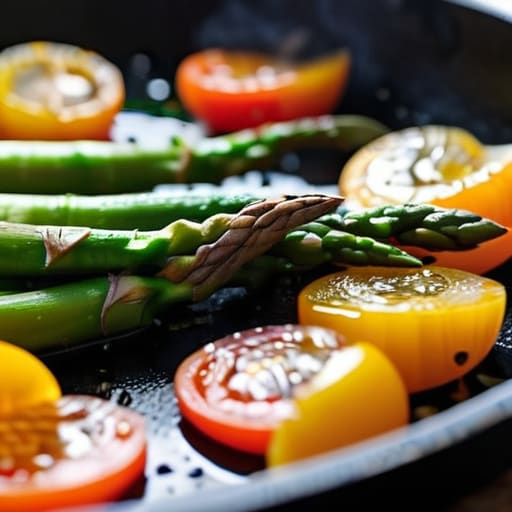
If you’re in a rush after a long shift, don’t sleep on a quick sauté. It’s one of the fastest quick vegetable side dishes you can whip up. Just get a pan hot, throw in whatever is wilting in your crisper drawer, and add a splash of soy sauce or a squeeze of lemon. When people ask me about steaming vs roasting vegetables, I usually tell them it comes down to texture: steam if you want something light and soft, but roast if you want that actually delicious crunch.
Steaming vs Roasting Vegetables What Actually Works
When it comes to the whole steaming vs roasting vegetables debate, I honestly think people overthink it. If you’re looking for something fast and light, steaming is your best friend. It’s perfect for when I’m halfway through a workday and just need a quick vegetable side dish that won’t leave me feeling heavy. Plus, it’s one of those healthy vegetable cooking methods that actually preserves the color and texture of things like broccoli or asparagus without needing a ton of extra ingredients.
However, if you’re like me and you actually crave flavor, roasting is where the magic happens. There’s just something about that caramelized edge on a roasted carrot or Brussels sprout that steaming can’t touch. Even if you’re working with a cheap, slightly sad bag of frozen veggies, tossing them in some oil and salt and letting them get crispy in the oven makes them feel like a real meal. It’s less about being fancy and more about seasoning vegetables for flavor in a way that actually satisfies your cravings. Choose based on how much time you have, not because a recipe tells you to.
5 Ways to Stop Making Your Veggies Boring (and Cheap)
- Stop being afraid of salt and acid. If your broccoli tastes like nothing, it’s probably because you’re missing a squeeze of lemon or a decent pinch of sea salt. Acid wakes everything up without needing a heavy, expensive sauce.
- Don’t throw away the scraps. I know it feels like extra work, but if you’re making a soup, toss those onion skins and carrot ends into a bag in your freezer. It’s free flavor and zero waste.
- Embrace the “ugly” produce. Those slightly wrinkled peppers or the weirdly shaped carrots are usually on sale for half the price and they taste exactly the same once they’re in a pan. Don’t let “aesthetic” grocery shopping drain your bank account.
- Learn the one-pan trick. If you’re tired, just chop everything up, toss it on a sheet pan with whatever oil you have, and shove it in the oven. It’s not “gourmet,” but it’s hot, healthy, and means one less dish to wash.
- Season as you go, not just at the end. If you wait until the food is on your plate to add spices, you’ve already missed the boat. Getting that garlic or cumin into the pan while the veggies are actually cooking makes a massive difference in how the flavor sticks.
The Bottom Line on Not Making This Harder Than It Needs To Be
Stop waiting for a high-end steamer or a professional chef’s knife to show up; your basic pan and a sharp-enough blade are all you actually need to make decent food.
Pick your method based on the vibe, not a rulebook—roast when you want something comforting and crispy, and steam when you’re feeling like you need a quick, light hit of nutrients.
Don’t let the fear of “doing it wrong” stop you from eating more greens; as long as they aren’t mushy or tasteless, you’re winning.
Real Food, Zero Stress
At the end of the day, you don’t need a kitchen full of specialized gadgets or a culinary degree to make vegetables taste decent. Whether you’re choosing the quick, light crunch of steaming or the deep, caramelized goodness of roasting, the goal is just to get them on your plate. Stop stressing about the “perfect” technique and just focus on using what you have—a single sheet pan, a basic pot, or even just a heavy skillet. Once you realize that flavor comes from heat and seasoning rather than expensive equipment, cooking becomes a lot less intimidating and a lot more actually doable on a Tuesday night when you’re exhausted.
I know how easy it is to feel like you’re failing at “wellness” because your meals don’t look like a curated Pinterest board. But real nutrition isn’t about aesthetic bowls; it’s about the small, repeatable habits that keep you fueled. If you manage to roast one tray of broccoli this week instead of ordering takeout, that is a massive win. Don’t let the pressure of perfection stop you from starting. Just grab whatever veggies are on sale, throw them in a pan, and make it work with what you’ve got. You’ve got this.
Frequently Asked Questions
I have a bunch of wilting veggies in my crisper drawer; how do I know if they're actually still safe to eat or if I should just toss them?
Look, I’ve been there—staring at a sad, limp carrot like it’s a personal failure. First rule: if it’s just wilted or soft, it’s usually fine; just soak them in ice water to revive them. But if you see actual slime, fuzzy mold, or it smells… funky? Toss it. Don’t risk food poisoning to save fifty cents. If it’s questionable, trust your gut and let it go. Your stomach isn’t worth the guilt.
Is there a way to cook these without using a ton of oil, since my budget (and my skin) can't handle a massive grocery bill for specialty oils?
Honestly, I feel this in my soul. Between my grocery budget and trying not to break out, I’ve moved away from the “drizzle liberally” lifestyle too. Try using a splash of vegetable broth or even just a little water in the pan to prevent sticking—it’s basically deglazing. If you’re roasting, use a silicone brush to lightly coat the veggies instead of pouring from the bottle. You get the flavor without the grease puddle.
How do I keep my veggies from turning into a mushy, sad mess when I'm trying to meal prep for the week?
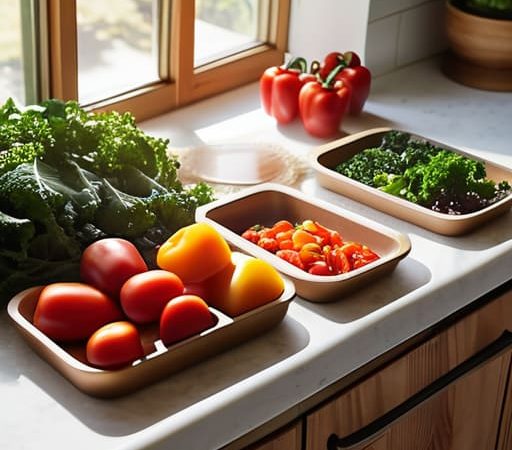
The secret is actually just being a little bit aggressive with your cooking times. If you’re meal prepping, undercook your veggies by about two minutes. They’ll look slightly “too firm” when they’re hot, but they’ll finish softening as they cool down in the fridge. Also, let them cool completely on a tray before you shove them into containers; if you trap that steam, you’re basically making veggie mush.