The Pro Way to Season Your Food Like a Chef
I used to think that if I didn’t have a $40 jar of smoked paprika or a curated collection of artisanal sea salts, my cooking was destined to be mediocre. I spent way too many nights staring at a bland bowl of lentils, feeling like I was failing at adulthood because I couldn’t master how to season food like the aesthetic food bloggers on my feed. But honestly? Most of that stuff is just marketing fluff designed to make you feel like your pantry is inadequate. You don’t need a specialty spice shop to make something taste incredible; you just need to understand the basic mechanics of what actually makes a flavor pop.
I’m not here to give you a shopping list of expensive, single-use ingredients that will just sit in your cupboard gathering dust. Instead, I want to show you how to build flavor using the basics you probably already have tucked away in your kitchen. We’re going to focus on the functional reality of salt, acid, and heat so you can stop guessing and start eating meals that actually satisfy. No fancy gadgets, no performative plating—just straightforward, no-nonsense ways to make your food taste exactly the way it should.
Essential Spice Cabinet Staples for Real Life
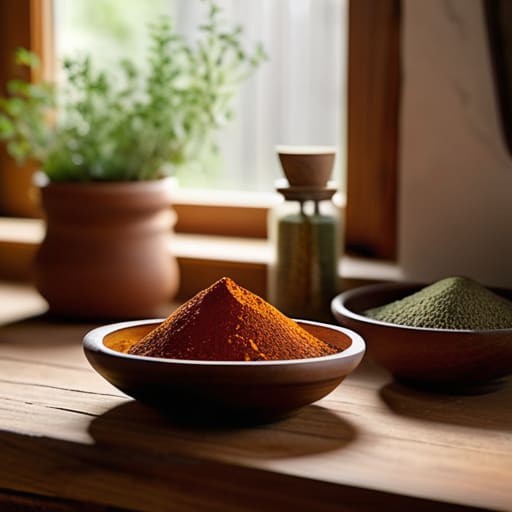
Look, you don’t need a twenty-piece artisanal spice set that looks pretty on a marble countertop but gathers dust. My pantry is mostly just the basics that actually do the heavy lifting. If you’re building your own collection, start with the heavy hitters: smoked paprika, cumin, dried oregano, and plenty of garlic powder. These are my essential spice cabinet staples because they can pivot from a quick taco night to a roasted veggie tray without much thought. I always tell people to prioritize versatility over novelty; if you can’t see yourself using it in three different ways, leave it on the shelf.
Once you have the basics, it’s all about understanding how to layer them. For example, I’ve learned that there’s a massive difference in seasoning meat vs vegetables; meat can handle much more aggressive, heavy spices, while veggies need a lighter touch so you don’t drown out their actual taste. I also swear by keeping a bottle of red pepper flakes and some dried thyme on hand. They’re cheap, they last forever, and they help with enhancing natural flavors without making the dish feel like a science experiment.
Enhancing Natural Flavors Without the Expensive Hacks
Look, you don’t need a $50 jar of saffron to make a meal taste like it came from a restaurant. Most of the time, when a dish feels “flat,” it isn’t because it lacks a fancy ingredient; it’s usually a matter of balancing salt and acid. If your soup or pasta sauce tastes dull, don’t just dump more salt in there—that’s a one-way ticket to a sodium headache. Instead, try a squeeze of lemon juice or a tiny splash of vinegar. That hit of acidity wakes up everything else on the plate without making it taste salty.
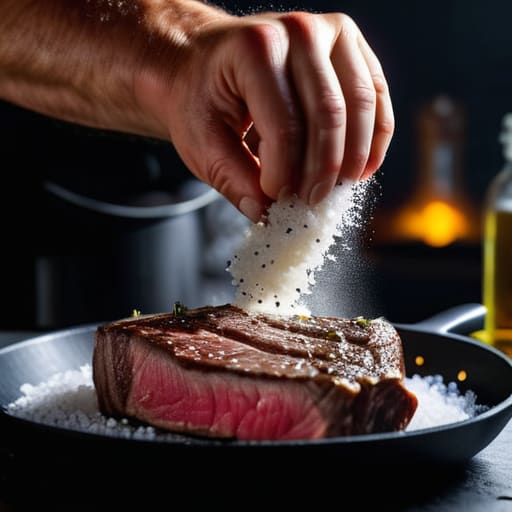
It’s also worth noting that seasoning meat vs vegetables requires a slightly different mindset. With a steak or some chicken thighs, you want to season aggressively early on to build a crust. With veggies, especially delicate ones like spinach or zucchini, wait until they’re almost done so you don’t end up with a watery, over-seasoned mess. If you’re craving something deeper and more savory, look toward umami flavor profiles by adding a dash of soy sauce or even a bit of nutritional yeast. It’s about working with what you have to make the base ingredients shine.
5 Ways to Season Like a Normal Person (Not a Chef on TikTok)
- Salt as you go, not just at the end. If you wait until the food is on your plate to add salt, you’re just masking a bland meal. Sprinkle a little bit into the pot while you’re sautéing onions or boiling pasta; it builds layers of flavor so the seasoning actually feels integrated, not just like a crust on top.
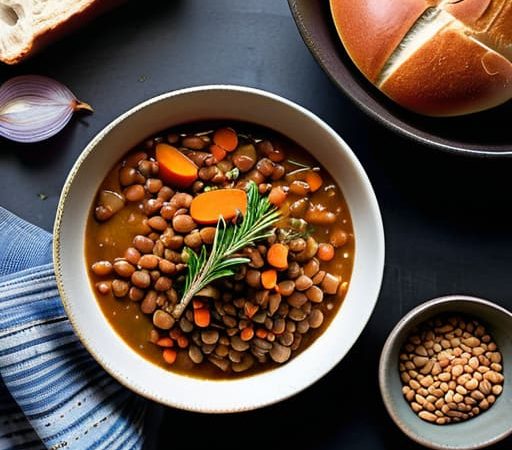
- Learn the “acid” trick when things taste flat. Sometimes you don’t need more salt; you need a squeeze of lemon or a tiny splash of vinegar. If your soup or lentil stew tastes “heavy” or dull, a little acidity brightens everything up instantly without making it salty.
- Stop buying those pre-mixed “gourmet” blends. Most of them are 80% salt and 20% herbs, and they’re overpriced. Keep the individual basics—cumin, paprika, dried oregano, garlic powder—and mix your own ratios. It saves money and you won’t accidentally turn your dinner into a salt bomb.
- Use your senses, not a measuring spoon. Recipes are just suggestions, and “one teaspoon” means something different to everyone. Taste your food at different stages. If it tastes “missing something,” add a pinch of spice, taste again, and repeat. It’s the only way to actually learn what you like.
- Toast your dry spices if you have an extra two minutes. If you’re using whole seeds or even just ground spices, toss them in the pan for a minute before adding your liquids. It wakes up the oils and makes even the cheapest spices smell and taste way more expensive than they actually are.
The Bottom Line on Flavor
Stop waiting for a “perfect” spice rack to show up; your food will taste fine with just salt, pepper, and whatever dried herbs are currently hiding in the back of your cupboard.
Flavor is about intuition, not measurements—season as you go and trust your taste buds over a rigid recipe every single time.
You don’t need expensive finishing oils or gourmet salts to make a meal feel special; a little acidity from a cheap lemon or a splash of vinegar does more heavy lifting than any pricey gadget ever could.
Stop Overthinking the Spices
At the end of the day, seasoning isn’t some high-stakes culinary exam; it’s just about making your food taste like something you actually want to eat. You don’t need a thirty-piece spice set or a collection of artisanal salts that cost more than my weekly grocery budget. Just stick to the basics—your dried herbs, a solid salt, and some pepper—and learn to trust your own palate. Whether you’re layering flavors with whatever is left in the back of your pantry or using a little acid to brighten up a boring batch of beans, the goal is functionality over flair. Remember, the most important tool you have isn’t a fancy spice grinder, it’s simply tasting as you go to make sure it actually works for you.
I know it can feel intimidating when you see those perfectly plated, hyper-stylized meals online, but please don’t let them make you feel like your cooking is “less than.” Real life is messy, and sometimes dinner is just a quick stir-fry or a bowl of seasoned rice eaten over the sink. That’s okay. Cooking should serve your life, not the other way around. Focus on building a sustainable rhythm with the ingredients you already own and stop chasing that performative perfection. Once you stop stressing about the “right” way to season, you’ll realize that the best meals are the ones that are simple, affordable, and genuinely satisfying.
Frequently Asked Questions
How do I know if I’ve added too much salt or spice without ruining the whole meal?
The “tasting as you go” method is your best friend, but I get it—sometimes you take a bite and realize you’ve gone too far. If it’s too salty, don’t panic. Adding an acid like lemon juice or a splash of vinegar can help balance it out, or even better, toss in a peeled potato to soak up some of that excess. If it’s too spicy, reach for something creamy, like yogurt or avocado, to cool things down.
Can I still make food taste good if I’m on a super tight budget and can't afford a huge spice rack?
Honestly, yes. Please don’t feel like you need a $50 spice set from a boutique shop to make a decent meal. If you’re on a tight budget, focus on the “holy trinity” of flavor: salt, black pepper, and maybe one versatile herb like dried oregano or garlic powder. That’s it. You can make almost anything edible with those. It’s better to have three basics you actually use than a shelf of expensive powders that just sit there gathering dust.
Is there a difference between seasoning while I'm cooking versus seasoning right before I eat?
Honestly, there’s a huge difference, and it’s all about layers. Seasoning while you cook—like hitting your onions with salt while they sauté—builds flavor into the food so it doesn’t taste one-dimensional. But seasoning right before you eat is about that final pop. A little flaky salt or a squeeze of lime at the end wakes everything up. Think of cooking seasoning as the foundation and finishing seasoning as the highlight. Both are necessary.