The Truth About Hydration: Debunking Common Myths
I was staring at my bank statement the other day, feeling that familiar sting of regret, when I realized I’d spent nearly forty dollars in one month on those aesthetic, “functional” water bottles and overpriced electrolyte powders that promise to transform your life. Honestly, it’s exhausting. We’ve been sold this idea that staying healthy requires a curated collection of glass carafes and neon-colored supplements, but most of these hydration myths are just clever ways to separate you from your hard-earned money. You don’t need a $50 tumbler to stay healthy; you just need to stop falling for the performative wellness trap that tells you tap water isn’t good enough.
I’m not here to give you a lecture on biological cellular processes or sell you a subscription to a hydration app. Instead, I want to strip away the marketing fluff and talk about what actually works for someone living a real, busy, slightly messy life. I’m going to break down the most common hydration myths I’ve encountered and replace them with practical, low-cost habits that actually stick. Let’s get back to the basics and figure out how to keep you feeling good without draining your savings.
The Truth About Your Daily Water Intake Requirements
We’ve all heard the “eight glasses a day” rule, but honestly, that number is kind of arbitrary. I used to stress out if I hadn’t hit my goal by 4 PM, thinking I was failing at basic health. The reality is that daily water intake requirements aren’t one-size-fits-all. Your body isn’t a math equation; it’s a living system that changes based on how much you sweat, the humidity in your apartment, and even what you ate for lunch. Some days you’ll need more, and some days you’ll be totally fine with less.
Instead of obsessing over a specific ounce count, I’ve learned to just listen to my body. If you’re feeling unexplainably sluggish or getting those annoying midday headaches, those are classic signs of dehydration that you shouldn’t ignore. I used to think a brain fog meant I needed more caffeine, but usually, I just needed a glass of water and a five-minute break. Stop trying to hit a magic number and start paying attention to how you actually feel.
Water vs Electrolyte Drinks What You Actually Need
Look, I get it. Every time I scroll through social media, I see someone selling a “miracle” electrolyte powder that costs more than my weekly grocery budget. It’s easy to feel like you’re failing at health if you aren’t sipping on some neon-colored liquid, but let’s get real: most of us are just thirsty. For the average person going about their day—working from a laptop or tending to the community garden—plain old tap water is usually more than enough. You don’t need a chemical cocktail to maintain your electrolyte balance importance unless you’re actually training for a marathon or sweating through a heatwave.
The real trick is learning to listen to your body instead of a marketing campaign. If you’re feeling a sudden brain fog or a nagging headache, those are classic signs of dehydration that a fancy drink won’t magically fix if you haven’t been drinking water all day. Instead of reaching for a $4 sports drink, try adding a tiny pinch of sea salt to your water or eating a banana. It’s cheaper, it’s functional, and it actually works. Stop overcomplicating the basics.
5 Hydration Lies We Need to Stop Believing
- Stop obsessing over the “8 glasses a day” rule. It’s a total generalization that doesn’t account for your body weight, the weather, or how much coffee you drank this morning. Listen to your body, not a random number from a decade-old infographic.
- You don’t need to buy those “smart” water bottles that glow to remind you to drink. If you’re genuinely thirsty, your body will tell you. Save your money for actual groceries and just keep a reusable bottle nearby if it helps.
- Fruit and veggies count too. I used to think I was failing my hydration goals because I wasn’t chugging liters of plain water, but then I remembered that cucumbers and watermelon are basically water in solid form. It all adds up.
- Coffee isn’t actually “dehydrating” you like everyone says. Yeah, caffeine has a slight diuretic effect, but it’s not enough to undo the hydration you’re getting from the liquid itself. Enjoy your morning brew without the guilt trip.
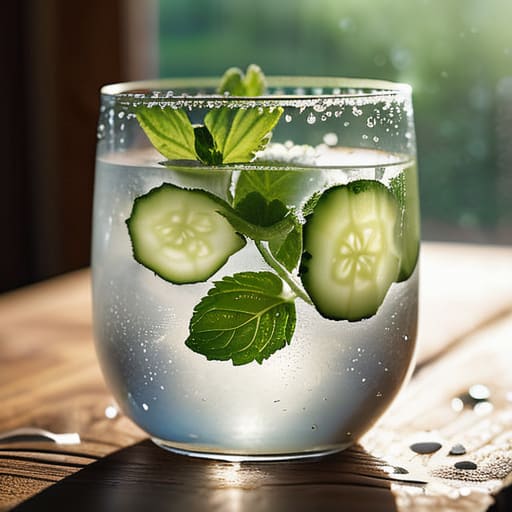
- “Detox” waters are mostly just expensive, flavored water. Adding lemon or mint is great for the vibe, but don’t fall for the marketing that claims these infusions are “flushing toxins” out of your system. Your liver and kidneys already have that covered for free.
The Bottom Line on Hydration
Forget the “eight glasses a day” rule; your body isn’t a math equation, so just listen to your thirst and check your urine color instead.
Stop dumping money into neon-colored electrolyte drinks unless you’ve actually been sweating through a workout or feeling legitimately lightheaded.
Most of the “hydration hacks” you see online are just expensive ways to sell you something you already have in your kitchen—like a glass of water and a pinch of salt.
Stop Overthinking Your Water Intake
At the end of the day, staying hydrated doesn’t have to be this complex, expensive ritual involving aesthetic glass bottles or neon-colored supplements. We’ve debunked the idea that you need to hit a rigid, arbitrary gallon-a-day goal, and we’ve cleared up the nonsense that you need fancy electrolytes every time you feel a little thirsty. The reality is much simpler: listen to your body, eat your fruits and veggies, and drink when you’re actually thirsty. You don’t need to turn hydration into another chore on your to-do list or another way to drain your bank account. Just keep it functional and stop letting wellness marketing tell you that you’re doing it wrong.
I know how easy it is to get caught up in the “optimization” trap—the feeling that if we aren’t doing something perfectly, we aren’t doing it at all. But your health isn’t a performance, and it definitely isn’t a competition. Whether you’re drinking tap water from a reusable bottle you’ve had for three years or sipping on some herbal tea, you’re doing fine. Focus on the small, sustainable habits that actually fit into your real, messy life. Let’s stop chasing the “perfect” wellness aesthetic and just focus on feeling good in our own skin, one simple glass of water at a time.
Frequently Asked Questions
Does eating fruits and veggies actually count toward my water intake, or do I still need to hit my gallon goal?
First off, please stop trying to hit a “gallon goal.” That’s just another arbitrary number that stresses people out for no reason. To answer your question: yes, your food absolutely counts. Most of the fruits and veggies I meal prep—like cucumbers, watermelon, or even my garden greens—are packed with water. It’s not just about what you drink; it’s about what you eat. If you’re eating well, you’re already doing most of the work.
Is there a specific time of day when drinking water is actually more effective for energy?
Honestly, there isn’t a “magic hour” that’s going to transform your biology, but I’ve noticed a huge difference when I drink a big glass first thing in the morning. After sleeping, you’re basically running on empty. Instead of reaching for a third coffee to shake off the brain fog, try hydrating first. It’s a low-effort way to wake up your system without the caffeine jitters or the expensive energy drinks.
If I'm drinking a lot of coffee, am I actually getting dehydrated, or is that just a myth?
Honestly, this is one of those things that gets way more dramatic than it needs to be. The “coffee dehydrates you” thing is mostly a myth. Yes, caffeine is a mild diuretic, but if you’re drinking water throughout the day, your body is more than capable of balancing it out. Don’t let the caffeine guilt trip you into thinking you’re a walking raisin; just don’t make coffee your only source of fluid.