The Secret to Making Salads You’ll Actually Crave
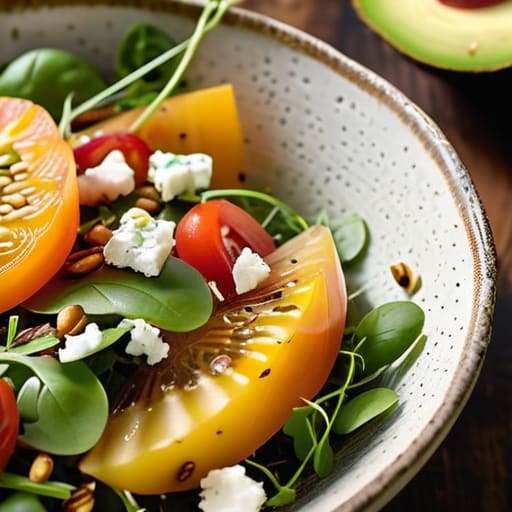
I used to think that if I wasn’t buying organic microgreens and $12 bottles of artisanal balsamic glaze, I was failing at the whole “healthy eating” thing. I spent way too many nights staring at a bowl of limp arugula, wondering how to make salad interesting without having to check my banking app first. The internet wants you to believe that a decent bowl requires a massive grocery haul of “superfoods” that cost more than my monthly internet bill, but honestly? That’s just performative wellness that leaves you hungry and broke.
I’m not here to sell you on expensive, aesthetic meal prep hacks that take three hours and a professional camera to execute. Instead, I want to show you how to use the random bits of stuff already sitting in your pantry—that half-empty jar of pickled onions or the leftover roasted chickpeas from Tuesday—to actually build a meal you look forward to eating. We’re going to focus on functional flavor and textures that work, using what you already have on hand. Let’s stop eating sad, boring bowls of lettuce and start making food that actually tastes like something.
Mastering Flavor Balancing in Salads Without Fancy Ingredients
Look, you don’t need a $20 bottle of artisanal truffle vinaigrette to make a salad taste like it didn’t come from a sad, wilted bag of pre-cut greens. Most of the time, a boring salad is just a victim of bad chemistry. You’re likely missing that crucial tug-of-war between acid and fat. If your bowl feels heavy or one-note, it’s probably because you haven’t mastered flavor balancing in salads yet. A quick squeeze of a lemon or a splash of whatever vinegar is hiding in the back of your pantry can cut right through the richness of cheese or avocado, making everything taste actually bright instead of just wet.
Once you’ve got the acid down, you have to think about the mouthfeel. This is where adding texture to salads becomes a game changer. If everything in your bowl is soft, your brain is going to check out halfway through. I always keep a jar of toasted sunflower seeds or even some crushed-up pita chips nearby. That crunch is what makes the meal feel substantial rather than just a side dish you’re forcing yourself to finish.
Adding Texture to Salads Using Whats in Your Pantry
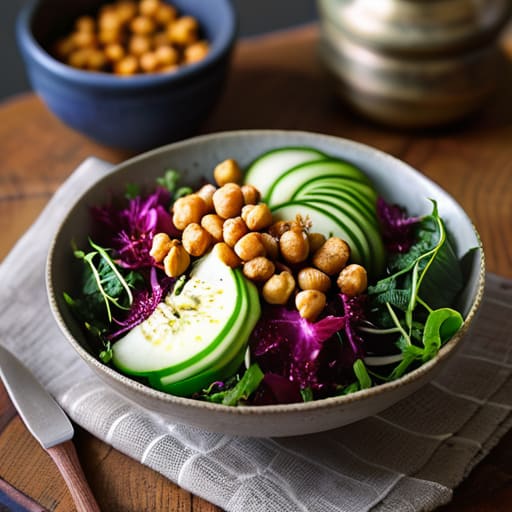
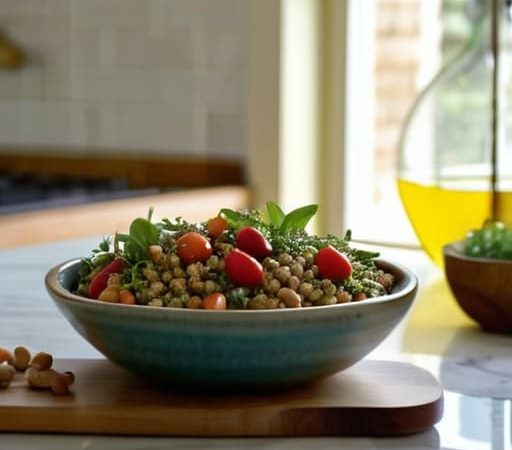
If you’re still just eating soft leaves and cucumber slices, no wonder you’re bored. A salad without crunch is just a bowl of wet grass. The secret to adding texture to salads isn’t buying those $12 bags of artisanal dried fruit; it’s looking at what you already have in your pantry. I always keep a jar of sunflower seeds or some basic pepitas on hand because they add that much-needed snap for pennies. If you have a stray can of chickpeas, don’t just dump them in cold. Drain them, pat them dry, and toss them in a pan with a little oil until they get crispy. It’s a total game-changer.
Even something as simple as crushed pretzels, toasted oats, or some old nuts from the back of the cupboard can turn a sad meal into something substantial. I’m a big believer in using whatever is shelf-stable to create contrast. If your greens are soft, your toppings need to be loud. Whether you’re looking for healthy salad toppings to bulk up a lunch or just want to stop feeling hungry twenty minutes after eating, aim for that crunch.
Five Ways to Stop Treating Your Salad Like a Side Dish Punishment
- Don’t fear the “leftover” factor. A salad doesn’t need fresh, expensive organic greens to be good; I literally just threw some leftover roasted sweet potatoes and half a bag of wilted spinach into a bowl yesterday, and it was better than anything I could’ve ordered out.
- Get weird with your fruit. If your salad tastes boring, it’s probably because it’s one-dimensional. Throw in some sliced apple, a handful of grapes, or even some dried cranberries. That hit of sweetness cuts through the bitterness of the greens and actually makes you want to keep eating.
- The dressing is not an afterthought. Stop just drowning your bowl in bottled ranch and calling it a day. Even a simple mix of whatever oil you have, a splash of vinegar, and a bit of mustard makes a massive difference in how much you actually enjoy the meal.
- Use your protein as a flavor base, not just a topping. Instead of just tossing in plain chicken, try using leftover taco meat, a hard-boiled egg, or even some canned chickpeas that you’ve tossed in a pan with whatever spices are sitting in your cupboard.
- Temperature play is a total game changer. A salad doesn’t have to be a cold pile of leaves. Adding something warm—like sautéed mushrooms or even just some warm grains—creates this contrast that makes the whole meal feel much more substantial and intentional.
The "No-Stress" Salad Cheat Sheet
Stop hunting for specific “superfoods” and start looking for contrast; if your salad is soft, add something crunchy from your pantry, and if it’s bland, hit it with acid like a splash of vinegar or lemon juice.
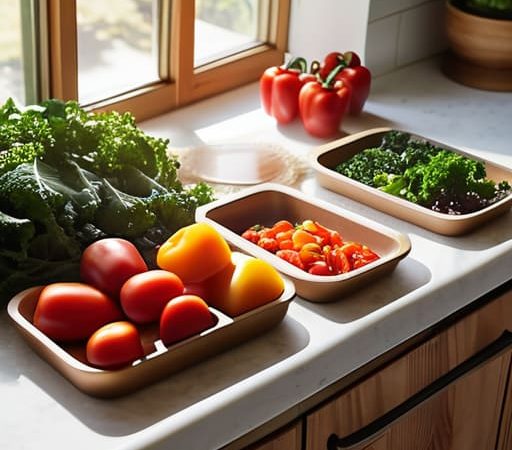
Use your leftovers as your secret weapon—roasted veggies, a bit of leftover grain, or even that half-can of chickpeas in the back of the fridge are better (and cheaper) than buying expensive pre-made toppings.
Focus on the balance of salt, fat, and acid rather than following a rigid recipe, because once you understand how those flavors play together, you can make a decent meal out of literally anything in your fridge.
Stop Settling for Sad Salads
At the end of the day, making a salad actually taste good isn’t about hunting down some overpriced, out-of-season microgreen or a specific brand of artisanal vinaigrette. It’s really just about the basics we’ve talked about: balancing your flavors so you get that hit of acid and salt, and making sure you have enough crunch and texture so you aren’t just chewing on wet leaves. Whether you’re tossing in some toasted sunflower seeds from your pantry or using that leftover roasted sweet potato sitting in the fridge, the goal is to create something that actually satisfies you. You don’t need a grocery haul that costs more than my monthly utility bill to make a meal that feels intentional and delicious.
I know it’s easy to look at those perfectly curated, color-coordinated salad bowls on social media and feel like your lunch is a failure. But please, let’s collectively agree to stop performing for the sake of an aesthetic. Your salad doesn’t need to look like a piece of art to be nourishing, and it definitely doesn’t need a dozen expensive ingredients to be worth eating. Just use what you have, play around with the flavors, and make it work for your life and your budget. You’ve got this, and honestly, your taste buds will thank you for finally treating lunch like a real meal instead of an afterthought.
Frequently Asked Questions
What can I do if I’m tired of the same old dressing flavors but don't want to buy a bunch of new oils or vinegars?
Look, you don’t need a pantry full of artisanal oils to fix this. If you’re stuck with the same basic vinaigrette, just change the “accent.” Grab a jar of mustard, some dried herbs, or even a spoonful of leftover salsa or kimchi. Even a tiny bit of honey or maple syrup can totally shift the vibe. It’s all about playing with what you’ve already got to trick your taste buds into thinking it’s something new.
How do I keep my salad from getting soggy if I'm prepping it ahead of time for work or lunch?
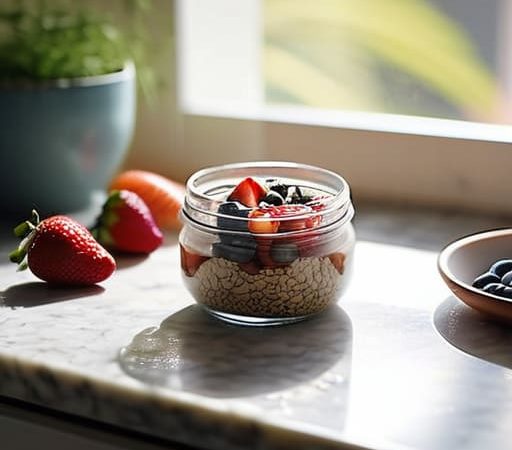
The “dressing on the bottom” trick is your new best friend. Grab a jar or a container with a tight lid and put your dressing at the very bottom, then layer your heavy, hardy stuff (like chickpeas or cucumbers) on top of that. Keep the delicate greens at the very top so they never actually touch the liquid. When you’re ready to eat, just shake it up or dump it into a bowl. No more sad, wilted leaves.
I'm always running out of fresh greens—are there any cheap, non-leafy ways to add bulk to a salad so I actually feel full?
Honestly, the “sad salad” feeling usually comes from a lack of substance, not a lack of greens. If you’re running low on lettuce, stop trying to force it. Lean on hearty, cheap staples instead. Throw in some canned chickpeas, some leftover roasted sweet potatoes, or even some cooked quinoa or farro from your meal prep. These add actual bulk and fiber so you aren’t hunting for snacks twenty minutes later.