Efficient and Safe Vegetable Chopping Techniques
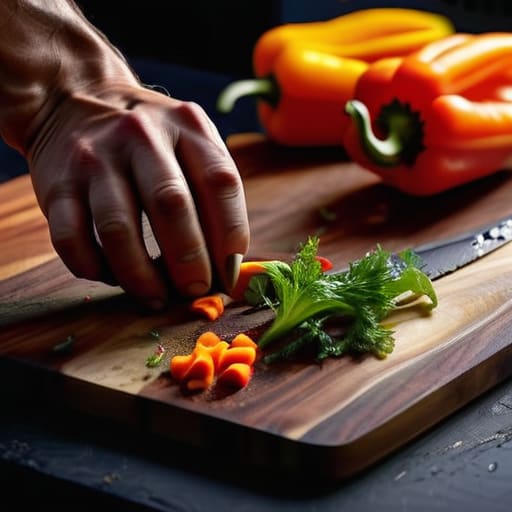
I used to stare at a pile of unwashed, slightly limp bell peppers and a mountain of kale after a long shift at the community garden, feeling completely defeated by the idea of meal prepping. Every “aesthetic” tutorial online made it look like a meditative, color-coordinated ritual involving $80 Japanese mandolines and glass containers that cost more than my actual groceries. But let’s be real: most of those videos are just performative fluff. If you’re trying to figure out how to prep vegetables without spending three hours in a kitchen that feels more like a crime scene, you don’t need a lifestyle overhaul—you just need a realistic plan.
I’m not here to sell you on some expensive, specialized gadget or a Pinterest-perfect pantry. My goal is to show you how to tackle your produce in a way that actually fits into a cramped apartment and a busy schedule. I’ll be sharing the blunt, low-maintenance methods I use to keep my veggies fresh and ready to go, focusing on functional efficiency over fancy presentation. We’re going to make this work with the tools you already own, so you can spend less time chopping and more time actually enjoying your food.
Mastering Basic Knife Skills for Cooking Without Fancy Gadgets
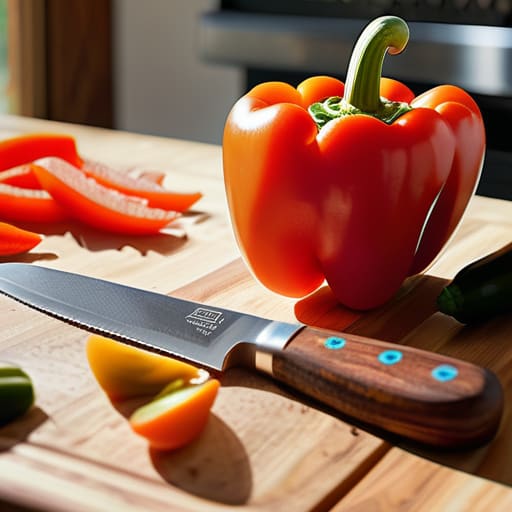
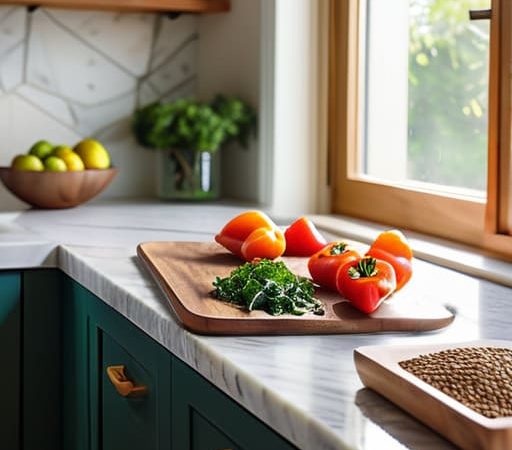
Look, you don’t need a $200 Japanese steel knife set or a fancy mandoline to get this done. Honestly, most of those expensive gadgets just end up gathering dust in a drawer or, worse, taking up precious space in my tiny kitchen. If you’re just starting with meal prep for beginners, all you really need is one decent, sharp chef’s knife and a stable cutting board. The goal isn’t to look like a professional line cook; it’s about being efficient and safe so you don’t end up with a kitchen full of unevenly cooked mush.
When it comes to improving your knife skills for cooking, focus on the “claw grip.” Curl your fingertips inward like a claw to hold the vegetable; this keeps your knuckles away from the blade and prevents those annoying little nicks. Don’t stress about making every dice look like a work of art. If you’re just batch cooking vegetables for a big tray of roasted cauliflower or a stir-fry, rougher cuts are totally fine. Just aim for consistency so everything cooks at the same rate, and call it a win.
Simple Meal Prep for Beginners Using What You Already Have
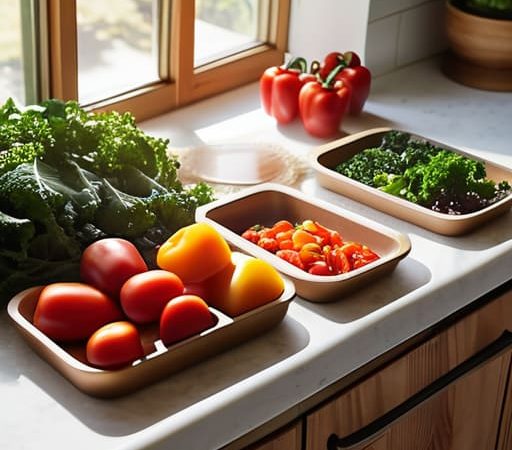
Look, if you’re anything like me, the idea of spending five hours on a Sunday afternoon turning your entire kitchen into a factory feels more exhausting than helpful. You don’t need a color-coded glass container collection to make this work. Real meal prep for beginners is actually just about making your future self less stressed. Instead of trying to cook massive, complicated recipes, just focus on batch cooking vegetables that can be tossed into anything. Roast a big tray of carrots and broccoli, or chop some onions and peppers to keep in a container. If you have the components ready, you’re much less likely to default to an expensive, overpriced takeout order when you’re tired after work.
The real secret to making this sustainable is knowing how to keep veggies fresh so you aren’t just throwing money in the trash. I’ve learned the hard way that if you don’t treat your produce right, it’ll turn into a science experiment by Wednesday. Use some simple vegetable storage tips—like wrapping herbs in a damp paper towel or keeping your leafy greens in a container with a little airflow—to make sure your hard work actually lasts. It’s not about being a pro; it’s just about being smart with what you’ve already bought.
5 Ways to Prep Without Losing Your Mind (or Your Weekend)
- Don’t feel pressured to chop everything at once. If you only have fifteen minutes between freelance gigs, just chop one onion and a bell pepper. Small wins keep you from staring at a pile of produce and deciding to just order takeout instead.
- Use the “wash once, use twice” rule. When you get home from the market, wash your hardy greens or root veggies right away. It’s way less of a chore to do it when you’re already in “task mode” than it is to deal with a soggy, dirt-covered mess three days later.
- Stop buying those pre-cut containers. They’re expensive and usually go bad faster because they’ve already been handled. Grab a cheap set of glass containers from a thrift store and do the work yourself; your bank account will actually thank you.
- Embrace the “ugly” prep. If a carrot is slightly bent or a potato has a weird bump, don’t toss it. Just trim the wonky bit off and keep going. We’re trying to reduce waste here, not win a culinary competition.
- Keep a “scrap bin” in your freezer. Instead of throwing away onion skins, carrot ends, or celery tops, toss them in a bag in the freezer. When it’s full, boil it all with some water for a free veggie broth. It’s basically free flavor.
The Real Bottom Line
Stop waiting for a professional knife set to start; your old, slightly dull kitchen knife is fine as long as you’re careful and consistent.
Don’t feel pressured to spend your entire Sunday in the kitchen—prepping just two or three versatile veggies can save your week without burning you out.
Focus on function over aesthetics, because a container of chopped peppers is way more useful than a perfectly curated, expensive-looking meal prep tray.
Stop Aiming for Perfection
Look, at the end of the day, the whole point of prepping your veggies is to make your future self’s life a little easier, not to add another stressful chore to your to-do list. Whether you’ve spent twenty minutes mastering a decent dice with your basic kitchen knife or you’ve just tossed some pre-cut peppers into a container, you’re already winning. You don’t need a professional-grade knife set or a dozen matching glass jars to be “good” at meal prepping. Just focus on the basics: get the chopping done, keep things organized in whatever containers you already own, and stop overthinking the aesthetic. If the carrots are slightly different sizes but they’re ready to go in the pan when you’re tired after work, then you did it right.
I know it can feel overwhelming when you see those perfectly curated, color-coded fridge tours online, but please remember that those aren’t real life. Real life is messy, budgets are tight, and sometimes you just need to eat something nutritious without a mental breakdown. Use what you have, work with the time you’ve got, and be kind to yourself when things don’t look like a magazine spread. Building a sustainable routine is about consistency over perfection. Once you get into the rhythm of having those veggies ready to go, you’ll realize that the real reward isn’t a pretty kitchen—it’s the extra breathing room you’ve created for yourself.
Frequently Asked Questions
How do I keep my chopped veggies from getting all slimy or brown in the fridge by day three?
The “slimy veggie” struggle is real, and honestly, it’s usually a moisture problem. If you’re prepping things like cucumbers or peppers, don’t just toss them in a container. Grab some paper towels and line your Tupperware; they’ll soak up that excess condensation that turns everything into a mushy mess. For things like onions or broccoli, keep them in airtight glass jars if you have them. It keeps the air out and the crunch in.
Is it actually worth the time to chop everything on Sunday, or should I just do it as I go?
Honestly? It depends on your brain. If you’re the type who gets overwhelmed by a pile of dishes and a messy kitchen after a long workday, chop everything on Sunday. It’s a gift to your future, exhausted self. But if you find pre-cut veggies get soggy or lose that crunch by Tuesday, don’t force it. Just prep the “hard” stuff—onions, carrots, peppers—and do the leafy greens as you go. Find your middle ground.
What are some cheap ways to store everything without having to buy a whole set of expensive matching glass containers?
Look, please do not go out and buy those aesthetic, matching glass sets you see on TikTok. It’s a total waste of money. Honestly, just raid your recycling bin. I use old pasta sauce jars for everything from overnight oats to leftover sauces—just give them a good scrub. If you’re prepping veggies, even basic plastic takeout containers work fine. The goal is keeping food fresh, not winning a kitchen design award.