End the ‘what’s for Dinner?’ Stress With Better Meal Planning
I am so tired of seeing those “aesthetic” meal prep videos where people spend their entire Sunday portioning out organic dragon fruit and expensive microgreens into matching glass containers that cost more than my weekly grocery budget. Honestly, if you think you need a $50 pantry organizer and a degree in nutrition to figure out how to meal plan, you’ve been lied to. Most of that stuff is just performative clutter that makes the whole process feel like a chore instead of a way to actually save time and money.
I’m not here to sell you on a lifestyle that requires a massive upfront investment or a pristine, Pinterest-worthy kitchen. Instead, I want to show you how to build a system that actually works for a real, messy, busy life. We’re going to focus on using what you already have in your pantry and making decisions that are functional, affordable, and sustainable. No fancy gadgets, no wasted food, and absolutely no stress—just a realistic way to get your kitchen under control without losing your mind.
Smart Grocery List Organization for Real Life
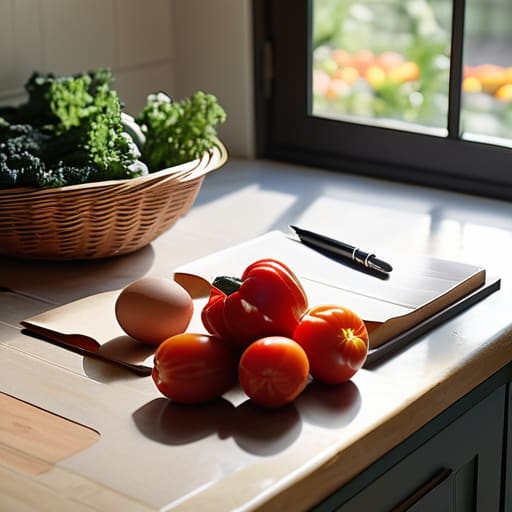
Look, I’ve spent way too many Tuesdays wandering aimlessly down the snack aisle because I forgot if I actually had pasta at home or not. It’s a waste of time and, more importantly, a waste of money. The secret to better grocery list organization isn’t a fancy, color-coded app; it’s simply grouping your list by the layout of the store you actually visit. If you group your items by produce, dairy, and pantry staples, you aren’t zig-zagging across the aisles like a lost tourist. You get in, you get what you need, and you get out before you succumb to the temptation of the impulse-buy section.
I also highly recommend keeping a “running list” in that little notebook I always carry. Instead of trying to remember everything on a Sunday night, jot down items the second they run low. This is one of those small budget friendly meal planning habits that keeps you from panic-buying expensive pre-made meals when your fridge is looking depressing. It’s about being intentional with what you actually need, rather than just reacting to whatever looks good in the moment.
Budget Friendly Meal Planning Using Your Pantry
Honestly, the biggest mistake I see people make is heading to the store with a blank slate. If you want to master budget friendly meal planning, you have to start by playing detective in your own kitchen. Before you even touch a grocery app, I pull out my notebook and see what’s actually hiding in the back of my cupboard. Do I have half a bag of lentils? A random jar of marinara? A box of quinoa that’s been sitting there since last month? Building your meals around these “forgotten” staples is the fastest way to slash your spending.
Instead of hunting for expensive, trendy superfoods, look at your pantry as a puzzle. If you’ve got rice, beans, and some spices, you’re already halfway to a solid dinner. This is where batch cooking strategies become your best friend. I like to cook up a big pot of grains or a hearty legume stew on Sundays; it’s not about being a Pinterest chef, it’s about having a foundation. When you treat your pantry as the starting point rather than an afterthought, you stop buying duplicates and start actually using what you already own.
5 Ways to Stop Making Meal Planning a Chore
- Stop aiming for seven unique dinners a week. Honestly, that’s a recipe for burnout and wasted food. Pick two or three “anchor” meals—like a big batch of roasted veggies and grains or a massive pot of chili—and just rotate them. It’s not “boring,” it’s efficient.
- Build your plan around what’s already on sale. I always check the grocery store app or the weekly circular before I even touch my notebook. If bell peppers are overpriced this week, we’re doing a cabbage stir-fry instead. Don’t let a recipe dictate your budget; let the prices dictate your menu.
- Embrace the “Theme Night” hack to save brainpower. If you don’t know what to cook, just decide that Tuesday is Taco Tuesday or Thursday is Pasta Night. It narrows down your choices so you aren’t staring blankly at the fridge for twenty minutes after a long work day.
- Plan for the “I’m too tired to cook” moments. Real life happens—you’ll get stuck late at work or just feel completely drained. Always keep a “emergency meal” in the freezer, like a bag of frozen dumplings or a decent jarred marinara, so you don’t end up spending $30 on DoorDash because you didn’t have a Plan B.
- Cook once, eat twice (or thrice). If you’re already boiling rice for tonight, make double. If you’re roasting chicken, cook an extra breast to shred for a salad tomorrow. It’s not about being a master chef; it’s about using your time in the kitchen as strategically as possible.
The Bottom Line: Keeping It Simple
Stop aiming for a Pinterest-perfect menu and just focus on a handful of versatile ingredients that actually play well together.
Always shop your pantry before you hit the store; if you’re buying things you already have just because they’re “on sale,” you aren’t actually saving money.
Give yourself some grace when things go sideways—if you end up ordering takeout because you’re too tired to cook, just reset and try again tomorrow.
Final Thoughts on Keeping it Real
At the end of the day, meal planning isn’t about achieving some Pinterest-worthy, color-coded fridge aesthetic or following a rigid, expensive macro plan. It’s really just about reducing the mental load of deciding what to eat when you’re tired and hungry. We’ve talked about organizing your grocery list so you aren’t wandering the aisles aimlessly, and how to stop ignoring that bag of lentils in the back of your pantry. If you can master the art of shopping your own kitchen first and sticking to a loose, functional list, you’ve already won half the battle. It’s about being intentional with your resources—your time, your energy, and your hard-earned money.
Please don’t let the pressure of “doing it right” stop you from even trying. If you plan five meals but end up ordering takeout for three of them because work was a nightmare, that is okay. Life happens, and a meal plan should be a tool that serves you, not a strict boss that makes you feel guilty. Use what you have, keep it simple, and remember that progress is much more important than a perfect streak. You don’t need a massive budget or a culinary degree to eat well; you just need to start where you are and go from there.
Frequently Asked Questions
What do I do if my meal plan falls apart halfway through the week because I'm too tired to cook?
Look, it happens to the best of us. Some Tuesday, you’re just going to stare at a pile of raw kale and feel absolutely nothing. When that happens, stop trying to force the “perfect” meal. Pivot to “emergency meals”: a bowl of cereal, toast with peanut butter, or even just some deli meat and cheese. It’s not a failure; it’s survival. Don’t let one messy night spiral into a week of expensive takeout.
How can I meal plan without spending hours every Sunday staring at a screen or a cookbook?
Honestly, the “Sunday Scaries” usually come from trying to be too perfect. My secret? Stop trying to build a 21-meal masterpiece. Instead, just pick three “anchor” dinners you actually like and rotate them. Grab a scrap of paper—or my little notebook—and just jot down what you’re eating for those three nights. That’s it. Don’t hunt for new recipes; just lean on your staples and let the rest be improvisational.
Is it actually worth buying in bulk, or am I just going to end up wasting money on stuff that goes bad before I use it?
Honestly? It’s a trap if you aren’t careful. I used to think buying a massive bag of quinoa was “saving money,” but then I’d find a dusty, half-empty bag in the back of my pantry six months later. Only buy in bulk for the non-negotiables—things you use every single day, like rice, beans, or coffee. If it’s a “maybe” ingredient, stick to the smaller size. Don’t let a “deal” turn into literal trash.