Nutritious Meal Prep Inspiration for the Entire Week
I used to spend my Sunday afternoons staring at a fridge full of wilted spinach and random condiments, feeling completely overwhelmed by the idea of “wellness.” We’ve all seen those aesthetic TikToks where people spend five hours prepping neon-colored jars of quinoa and kale, but let’s be real: that life is exhausting and frankly, way too expensive. When you’re trying to balance a freelance gig and a part-time job, you don’t need a culinary degree; you just need healthy meal prep ideas that don’t require a massive grocery haul or a kitchen full of specialized gadgets. I’ve learned the hard way that if a routine isn’t sustainable for my actual, messy life, it’s not going to stick.
In this post, I’m stripping away the performative fluff and sharing my five go-to methods for eating well without losing your mind. I’m talking about ways to use what you already have in your pantry to build meals that are actually filling and budget-friendly. You’re going to learn how to prep smarter, not harder, so you can stop relying on overpriced takeout when you’re tired. Let’s get into it.
The "Component" Method Over Pre-Made Containers
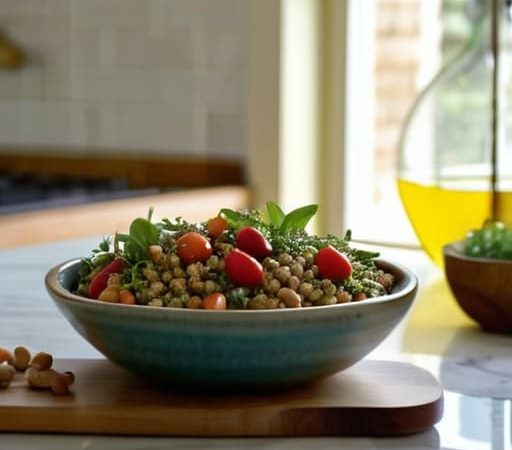
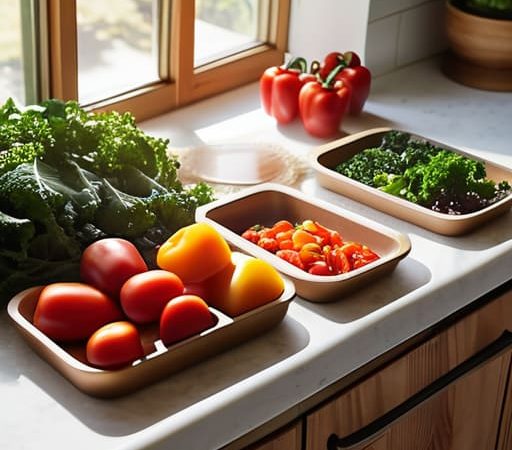
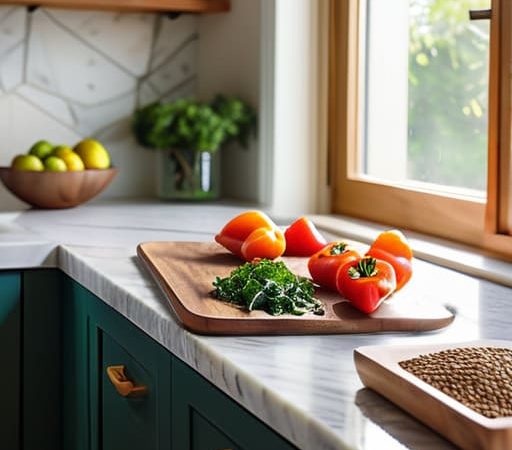
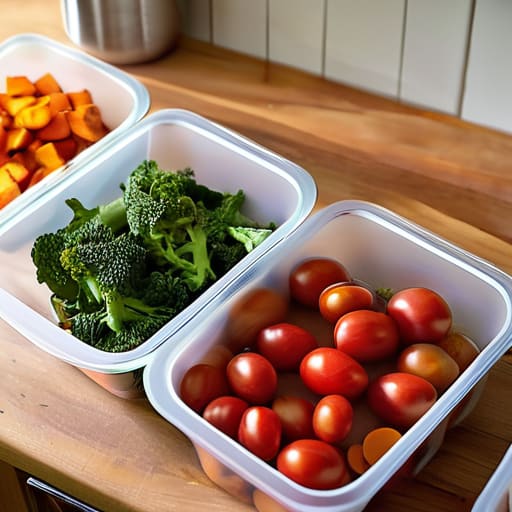
I used to think meal prep meant spending my entire Sunday portioning out identical Tupperware containers of chicken, broccoli, and rice. Honestly? By Wednesday, I was so bored of eating the exact same thing that I’d end up ordering takeout just to feel something. Instead, I switched to component prepping, which is way more flexible. I just roast a big tray of seasonal veggies, cook a batch of grains like quinoa or farro, and prep one or two proteins.
Master the Art of the "Dump" Soup
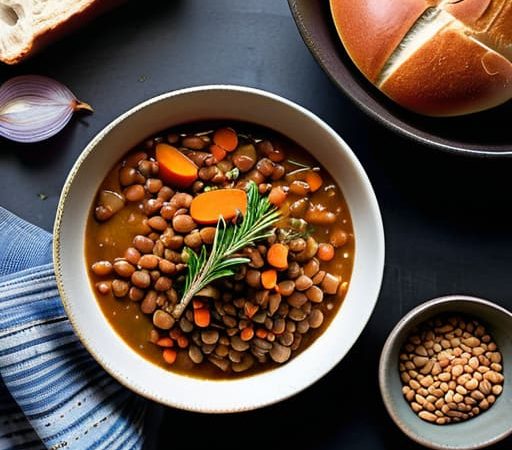
If the idea of standing over a stove for two hours makes you want to nap, please listen to me: stop doing that. Some of my favorite, most nutrient-dense meals come from what I call “dump soups.” You basically just take whatever hardy vegetables are on sale—carrots, celery, onions, maybe some wilted kale from the back of the fridge—and throw them into a pot with a can of beans and some broth. It’s the ultimate way to reduce food waste while keeping your grocery bill low.
Protein-Packed Jar Salads
We’ve all seen those overly curated salad jars on Pinterest that look like they cost forty dollars to make. Let’s strip back the pretension. The real trick to a salad that doesn’t turn into a soggy, sad mess by lunchtime is all about the layering strategy. You put your dressing at the very bottom, followed by the heavy, “wet” stuff like chickpeas, cucumbers, or corn, and keep your leafy greens at the very top.
The Breakfast Buffer
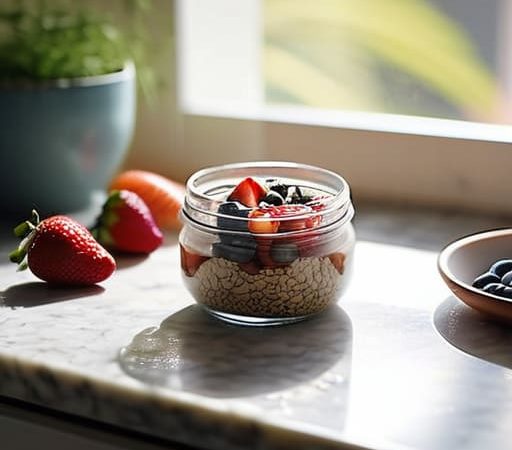
I learned the hard way that if I don’t have a plan for breakfast, I’m going to end up spending six dollars on a mediocre coffee shop pastry. That’s money that could be going toward my vintage furniture fund. My go-to move is overnight oats, but not the sugary, processed kind you see in commercials. I just grab a jar, throw in some oats, milk (or whatever plant-based stuff you use), and a spoonful of chia seeds.
Sheet Pan Everything
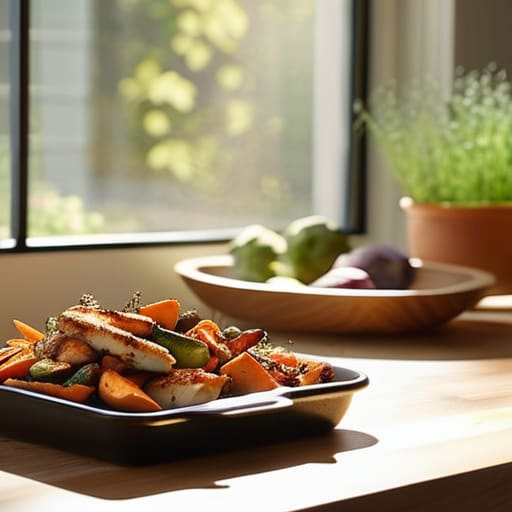
If you only have one oven and a very limited amount of counter space—which, if you live in a small apartment like me, is a constant reality—sheet pan meals are your best friend. You can toss salmon, sweet potatoes, and asparagus all on one tray with some olive oil and salt, and call it a day. It’s the minimalist approach to cooking that actually works for real life.
The Bottom Line
Stop trying to prep for a perfect week that isn’t going to happen; just aim to have a few versatile bases ready so you aren’t staring blankly at your fridge on a Tuesday night.
Your budget is just as important as your macros, so shop your pantry first and buy what’s actually on sale before you even think about hitting the grocery store.
If a meal prep routine feels like a chore or makes you feel restricted, ditch it—the best system is the one that actually fits into your real, messy life.
The Reality Check
Look, we’ve covered a lot of ground here, from utilizing the frozen veggie aisle to the art of the “buffet style” prep that doesn’t leave you eating the same soggy salad for five days straight. The main takeaway is that meal prepping doesn’t have to look like those hyper-organized, color-coded Tupperware graveyards you see on TikTok. It’s really just about reducing the friction between you and a decent meal when you’re exhausted on a Tuesday night. Whether you’re batch-cooking a massive pot of grains or just chopping some peppers while you listen to a podcast, you’re already winning. The goal isn’t to be a culinary master; it’s to stop making decisions when you’re hungry and broke.
At the end of the day, please don’t let the pressure to be “perfectly healthy” stop you from even trying. If you only manage to prep one single sauce or one batch of roasted sweet potatoes this week, that is a massive win. Life is messy, your kitchen is probably small, and your budget is likely tight—I get it because I’m right there with you. Just focus on what’s functional and what actually keeps you fueled. You don’t need a lifestyle overhaul to make progress; you just need to start with what you have in your pantry right now.
Frequently Asked Questions
How do I keep my prepped veggies from getting all mushy and sad by Wednesday?
Ugh, the “sad veggie” phenomenon is real. I used to throw out so much money because my bell peppers turned into literal slime by midweek. The secret is moisture management. Stop washing everything right before you store it; moisture is the enemy. Instead, line your containers with a paper towel to soak up excess humidity, and if you’re prepping leafy greens, give them a serious spin in a salad spinner first. Keep them dry, keep them crisp.
Is it actually worth buying in bulk, or am I just going to end up wasting money on stuff I don't use?
Honestly? It’s a trap if you aren’t careful. I used to think buying a massive bag of quinoa was “saving money,” but then I’d find it at the back of the pantry six months later, stale and depressing. Only buy in bulk for the non-negotiables—things you use every single day, like rice, beans, or oats. If it’s a “maybe” ingredient, stick to the smaller, cheaper size. Don’t let a “sale” trick you into wasting money.
What do I do when I realize I've prepped way too much food and I'm starting to get tired of eating the same thing every single day?
Honestly, I’ve been there. It’s the fastest way to make meal prepping feel like a chore instead of a tool. First, stop trying to eat it as a “meal.” Turn that leftover roasted veggie medley into a frittata or toss it into a quick grain bowl with a different sauce. Change the texture—add something crunchy or creamy. If it’s really hitting a wall, freeze it. Better to save it for a busy Tuesday than let it rot.