Delicious Ways to Eat Well on a Tight Budget
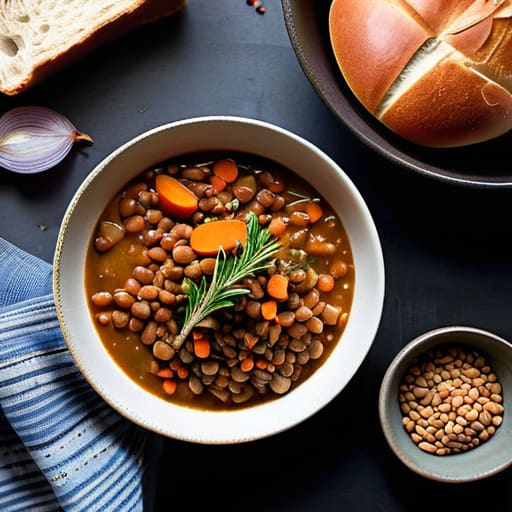
I am so tired of seeing those “budget meal prep” videos where people spend $150 on organic microgreens and artisanal sourdough just to claim they’re being thrifty. It’s performative, it’s exhausting, and honestly? It’s a lie. If you’re looking for a guide on how to cook on a budget that involves buying specialized gadgets or expensive “superfoods” you’ll use once and then let rot in the crisper drawer, you can stop reading right now. Real, sustainable cooking isn’t about following a rigid, aesthetic grocery list; it’s about learning how to actually work with what you have without feeling like you’re constantly depriving yourself.
I’m not here to give you a list of impossible culinary feats or tell you to live on nothing but plain rice and beans. Instead, I want to share the unfiltered, messy reality of how I feed myself as a freelancer living in a cramped apartment. I’m going to show you how to turn those random cans in the back of your pantry and the slightly wilted veggies in your fridge into something that actually tastes good. We’re focusing on functional, affordable meals that fit your real life, not some curated influencer fantasy.
Mastering Low Cost Meal Planning Without the Stress
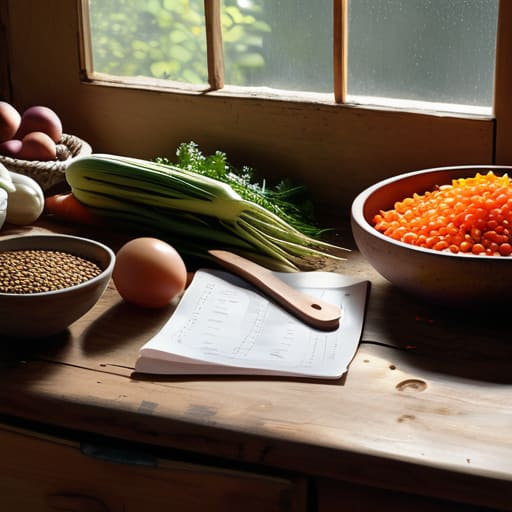
Look, I used to spend my entire Sunday afternoon staring blankly at my fridge, feeling totally overwhelmed by the idea of “meal prepping.” I thought it meant spending five hours in a designer kitchen, portioning out identical Tupperware containers of steamed broccoli. It’s exhausting, and honestly, it’s a recipe for burnout. Instead of aiming for that Pinterest-perfect spread, I started focusing on low cost meal planning that actually works for a messy, real-life schedule.
The secret isn’t buying a bunch of niche superfoods; it’s leaning heavily into affordable pantry staples like lentils, rice, and canned beans. These are your lifesavers. When I sit down to plan my week, I don’t look for complex recipes; I look at what I already have and build around it. If I have a half-bag of rice and some frozen peas, that’s a base for a stir-fry, not a problem to be solved. By prioritizing grocery shopping on a budget around these versatile basics, you stop the cycle of impulse buying expensive, single-use ingredients that just end up rotting in the crisper drawer.
Building a Kitchen With Affordable Pantry Staples
Look, I’ve spent way too many nights staring into an empty fridge, wondering why I felt so broke despite just having gone to the store. The secret isn’t buying expensive organic superfoods; it’s about building a foundation of affordable pantry staples that can actually talk to each other. I’m talking about the unglamorous stuff: dried lentils, jasmine rice, canned chickpeas, and a decent jar of tomato paste. These things have a long shelf life and act as the “glue” for almost any meal. When you have these basics on hand, you aren’t just buying ingredients; you’re buying options.
Instead of getting swept up in the latest food trends, I focus on grocery shopping on a budget by looking for versatility. If I buy a bag of oats, I know I can make breakfast porridge, or even grind them down for a quick flour substitute. The goal is to move away from that “one-off ingredient” trap where you buy a specific spice or sauce for one recipe, only to let it gather dust in the back of the cupboard. That’s not just a waste of money; it’s a waste of space.
My No-BS Rules for Keeping the Grocery Bill from Spiraling
- Stop buying pre-cut everything. I know, chopping an onion feels like a chore after a long day, but you’re paying a massive “convenience tax” for something you can do in five minutes. Buy the whole head of broccoli or the block of cheese instead of the bagged stuff; your wallet will feel the difference by the end of the month.
- Embrace the frozen aisle like your life depends on it. Seriously, frozen veggies are often more nutritious than the “fresh” ones that have been sitting in a truck for a week, and they won’t rot in your crisper drawer the second you get distracted. It’s the ultimate way to prevent food waste, which is basically just throwing money in the trash.
- Shop your own kitchen before you hit the store. I literally keep a little notebook to track what I have, because there is nothing more embarrassing (or expensive) than buying a second jar of cumin when you already have one hiding in the back of the cupboard. If you have half a bag of lentils and some old rice, that’s your dinner plan right there.
- Learn to love the “ugly” produce and generic brands. I don’t care if the label isn’t aesthetic or if the carrot looks a little wonky; if it tastes the same and costs half as much, I’m grabbing it. Most store-brand staples—like beans, oats, and canned tomatoes—are identical to the name brands once they’re in the pot.
- Cook in batches, not just meals. Instead of making one single serving of something, make a massive pot of chili or a huge tray of roasted veggies. It’s much easier to portion out leftovers for lunch the next day than it is to try and cook a brand-new “budget meal” every single night when you’re tired.
The Real Way to Save (Without Losing Your Mind)
Stop buying “specialty” health foods just because they look good in a haul video; stick to the basics like grains, beans, and frozen veggies that actually fill you up for a fraction of the price.
Learn to cook the same five versatile ingredients in different ways so you aren’t staring at the fridge every night wondering what to make.
Treat your leftovers like a gift to your future self—prep a little extra when you actually have the energy so you aren’t forced into expensive takeout when life gets chaotic.
Making It Work in Real Life
Look, at the end of the day, cooking on a budget isn’t about following some rigid, expensive meal prep blueprint you saw on a curated feed. It’s about the small, intentional shifts we talked about: getting smart with your meal planning so you aren’t panic-buying takeout, keeping your pantry stocked with those versatile staples, and actually using what you already have before it expires. It’s about realizing that a bag of lentils and some spices can be just as satisfying as a gourmet meal if you approach your kitchen with a bit of strategy and a lot of flexibility.
Please don’t feel like you have to overhaul your entire life by Monday morning. If you only manage to swap one name-brand ingredient for a generic one this week, or if you finally cook that random box of pasta sitting in the back of your cupboard, that is a win. We aren’t aiming for a Pinterest-perfect kitchen or a flawless diet; we’re just trying to build a way of eating that is sustainable, affordable, and actually works for our real, messy lives. You’ve got this—just take it one meal at a time.
Frequently Asked Questions
How do I actually meal prep without spending my entire Sunday in the kitchen?
Look, if your version of meal prep involves spending six hours straight over a steaming stove, you’re doing it wrong. That’s not a routine; it’s a chore. Instead, try “component prepping.” Don’t cook full meals; just prep the building blocks. Roast a big tray of veggies, boil some grains, and cook a batch of protein. Then, just toss them together differently throughout the week. It’s way faster, less overwhelming, and actually sustainable.
What do I do when I have a bunch of random leftovers that don't seem to go together?
Honestly, this is my most frequent kitchen crisis. When I’m staring at half a roasted sweet potato, some limp spinach, and a scoop of leftover quinoa, I don’t panic—I just pivot. Think of leftovers as ingredients, not complete meals. Throw them into a grain bowl with a cheap tahini dressing, toss them into a frittata, or stuff them into a tortilla. Don’t force them to be a “dish”; just make them part of something new.
Is it even possible to eat healthy on a budget, or am I just going to be living on ramen and rice?
Look, I get it. The “budget eating” stereotype is basically just salt, carbs, and a sense of regret. But honestly? Ramen is a survival tactic, not a lifestyle. You don’t need organic kale or $15 avocado toast to be healthy. It’s about swapping expensive “superfoods” for things like lentils, frozen veggies, and eggs. It’s less about deprivation and more about being strategic with what actually fills you up without draining your bank account.